
Riyadh King Khalid Airport Missile Strike Triggers Mass Casualties, Flight Diversions, and Urgent US-UK Warnings: Latest Travel Alert
A reported missile strike at Riyadh's King Khalid International Airport leaves 12 dead, 309 injured, prompting flight suspensions and embassy warnings.

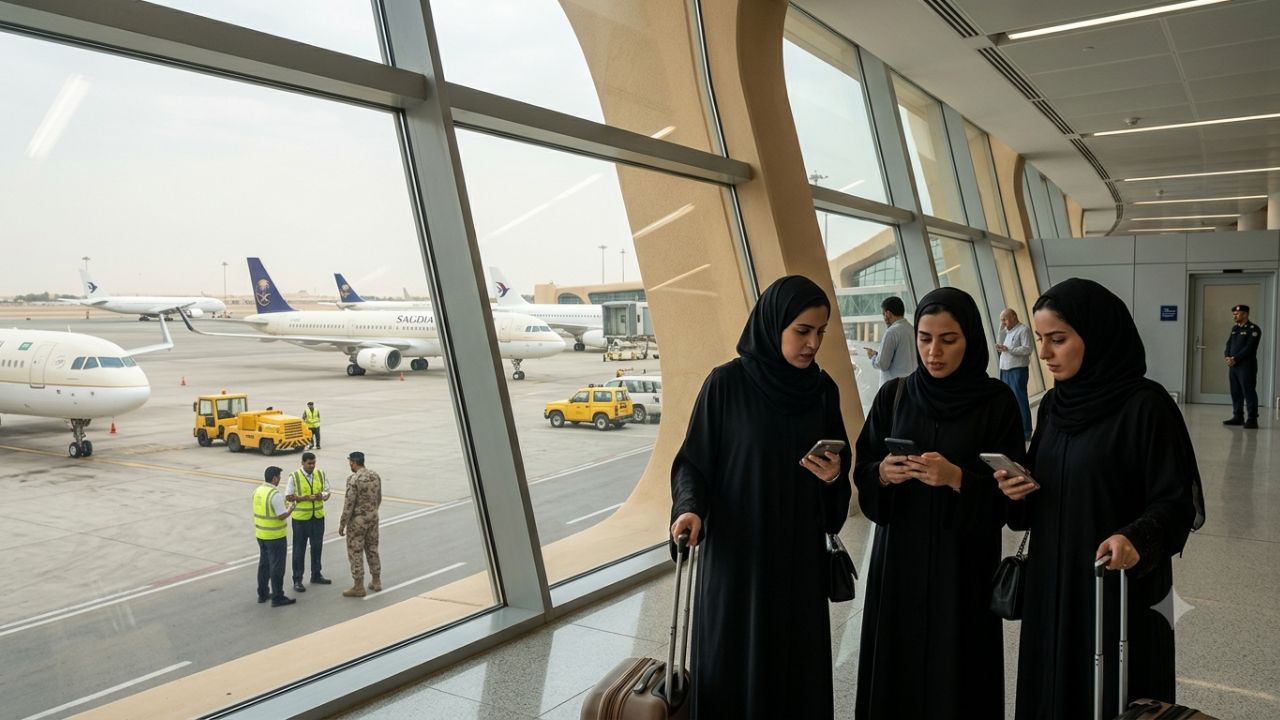
Emergency operations underway at King Khalid International Airport in Riyadh following severe disruptions on October 10–11, 2026.
Commercial flight operations at King Khalid International Airport (RUH) in Riyadh have been severely disrupted following a reported missile strike on Saturday, October 10, 2026, which left 12 people dead and 309 injured. Official updates issued early Sunday, October 11, by the Saudi General Authority of Civil Aviation (GACA) confirmed the civilian casualties and prompted immediate operational suspensions, widespread inbound flight diversions, and carrier cancellations. International travelers booked to or through Riyadh are urged to avoid traveling to the terminal in person, verify real-time flight status directly with airlines, and heed urgent diplomatic advisories issued by United States and British embassies.
Quick Summary: Riyadh Airport Emergency Update
- Severe Casualty Toll: GACA confirmed 12 deaths and 309 injuries following a reported strike on airport infrastructure on October 10, 2026.
- International Victims: Fatalities include four Saudi citizens and eight foreign nationals (from Bangladesh, the US, Egypt, Jordan, Syria, Palestine, and Sudan).
- Flight Disruptions: Inbound commercial flights diverted to regional gateways; Kuwait Airways canceled all scheduled services to Riyadh.
- Diplomatic Warnings: US and UK embassies issued urgent security alerts instructing citizens to stay completely away from the airport.
- Repeated Security Breaches: Follows an earlier incident on October 8 that killed three people and damaged a Saudia passenger aircraft.
Published on October 11, 2026, regional civil aviation monitors and emergency management services are conducting extensive structural damage assessments across affected concourses at King Khalid International Airport. The incident marks the second security breach at the capital's aviation gateway in less than 72 hours, compounding regional schedule volatility and stranding transit passengers across the Arabian Gulf.
Casualty Breakdown and Operational Suspension at King Khalid International Airport
The reported strike occurred on Saturday, October 10, impacting airport infrastructure and triggering an immediate emergency medical mobilization. According to an official GACA bulletin released early Sunday morning, the casualty toll reached 12 fatalities and 309 injuries:
- Casualty Demographics: The deceased include four Saudi nationals and eight foreign nationals.
- Nationalities of Foreign Fatalities: Two citizens of Bangladesh, and one national each from the United States, Egypt, Jordan, Syria, Palestine, and Sudan.
- Critical Medical Care: Emergency response teams transported hundreds of wounded passengers and terminal personnel to local hospitals across Riyadh, where several remain in intensive care.
- Flight Diversions & Cancellations: Civil aviation authorities suspended operations to secure facilities and inspect runways. Multiple arriving international flights were diverted mid-air to alternative regional hubs, while Kuwait Airways formally canceled its scheduled Riyadh services.
| Incident Metric | Official Reported Status as of October 11, 2026 | Operational Impact on Passengers |
|---|---|---|
| Civilian Fatalities | 12 confirmed dead (4 Saudis, 8 foreign nationals) | Severe civilian emergency at major international gateway |
| Injuries Reported | 309 people injured (dozens in critical condition) | Large-scale medical response across capital hospitals |
| Airport Status | Temporary operational suspension | Inbound ground stops and departing flight holds active |
| Flight Movements | Cascading diversions & cancellations | Inbound flights diverted; Kuwait Airways flights canceled |
| US Embassy Notice | Stay away from airport advisory | American citizens instructed to avoid traveling to RUH |
| UK Embassy Notice | Avoid airport security alert | British nationals warned of serious security event |
| Infrastructure Status | Material damage assessments ongoing | Structural evaluations of concourses and ground equipment underway |
Key Travel Risks and Compounding Flight Disruptions
The emergency at King Khalid International Airport creates severe logistical and physical security risks across the Middle Eastern aviation corridor:
- Active Security Hazards at the Terminal: Diplomatic missions emphasize that traveling to the airport complex poses active safety risks while authorities contain the scene and conduct forensic sweeps.
- Cascading Aircraft Rotation Delays: Because aircraft diverted from Riyadh remain stranded at secondary airfields, onward flights scheduled across regional networks face long knock-on cancellations and crew duty-time expirations.
- Stranded Connecting Passengers: Passengers holding multi-leg international itineraries through Riyadh face missed connections, expired transit visas, and limited immediate rebooking inventory.
- Terminal Overcrowding and Processing Halts: Even as limited operations resume, security screening bottlenecks, damaged baggage systems, and rebooking lines will cause severe terminal congestion.
Official Directives from Embassies and Aviation Authorities
Diplomatic and civil aviation authorities have issued strict instructions for travelers and foreign nationals in the Riyadh metropolitan area:
The US Embassy in Riyadh issued an emergency security notice advising American citizens to avoid traveling to King Khalid International Airport until official all-clear declarations are made. The British Embassy in Riyadh similarly urged UK nationals to steer clear of the airport perimeter, monitor verified local media, and maintain direct contact with airlines for remote ticketing changes.
Globally, guidelines published by the International Civil Aviation Organization (ICAO) stress that airport recovery protocols require coordinated safety audits before full commercial volumes can be restored safely. Saudi civil aviation officials confirmed that technical and safety teams are actively assessing affected buildings and apron areas before permitting regular scheduled traffic.
Practical Traveler Advice: How to Manage Bookings and Stay Safe
Travelers with active tickets to, from, or through Riyadh must take immediate defensive measures:
- Do Not Travel to the Airport: Heed embassy advisories and do not visit King Khalid International Airport in person to request flight updates or rebooking. Conduct all ticketing inquiries online or by phone.
- Verify Flight Schedules Directly with Your Carrier: Check your airline’s mobile application and digital manage-booking portal. Initial flight status notices can change rapidly as airlines rotate aircraft.
- Contact Airlines for Alternative Routing: Inquire about re-routing via neighboring hubs (such as Doha, Dubai, or Bahrain) if traveling on an urgent international connection.
- Preserve Documentation for Insurance Claims: Retain all carrier cancellation notices, hotel receipts, and out-of-pocket meal expenses. Most comprehensive travel insurance policies cover trip interruption due to airport security incidents.
- Adjust Hotel and Ground Transport Plans: Immediately notify hotels and chauffeur services in Riyadh of flight delays or diversions to avoid no-show penalties and preserve your reservations.
Broader Context: Escalating Security Incidents at Riyadh’s Aviation Hub
The October 10 strike follows an earlier security breach on Thursday, October 8, 2026, when two separate attacks struck King Khalid International Airport and an aircraft operated by flag carrier Saudia. That incident resulted in the deaths of three Saudi citizens and injuries to several others. While authorities announced a resumption of normal air traffic shortly after the October 8 attack, the significantly more severe October 10 incident underscores the fragility of security conditions.
King Khalid International Airport serves as the principal aviation gateway for corporate travelers, government delegations, pilgrims, and tourists visiting Riyadh. Unscheduled closures disrupt the kingdom's broader transport networks, forcing international cargo and passenger carriers to re-evaluate regional routing protocols.
What to Expect Next: Damage Audits and Schedule Restoration
In the coming days, GACA and airport operational teams will complete technical inspections of affected airport facilities, jet bridges, and passenger concourses. Airlines across the Gulf Cooperation Council (GCC) and international flag carriers will gradually restore flight rotations as operating clearances are granted.
Travelers should anticipate that even after runways fully reopen, flight schedules will experience significant volatility for 48 to 72 hours as airlines reposition grounded aircraft and clear backlog passenger manifests.
Passengers scheduled to travel through Riyadh over the coming week must remain highly alert, maintain regular contact with operating carriers, and strictly follow diplomatic safety advisories.
FAQ: Riyadh Airport Emergency and Flight Disruptions 2026
What occurred at King Khalid International Airport on October 10, 2026?
A reported missile strike damaged airport facilities, killing 12 people and injuring 309, leading to an operational suspension and multiple flight diversions.
Which nationalities were affected among the fatalities?
The 12 deceased include four Saudi citizens and eight foreign nationals from Bangladesh (2), the US (1), Egypt (1), Jordan (1), Syria (1), Palestine (1), and Sudan (1).
Should travelers go to Riyadh airport to rebook canceled flights?
No. Both the US and UK embassies have advised citizens to avoid the airport. All rebooking should be completed online or via airline phone lines.
Are flights currently operating normally into Riyadh?
No. Inbound flights have experienced diversions, Kuwait Airways canceled flights, and schedules remain subject to ongoing operational reviews.
Related Travel Guides
Disclaimer
This article is for informational and educational purposes only. It does not constitute legal, financial, or professional advice. While we strive to provide accurate and up-to-date information, travel policies, regulations, and conditions change rapidly. Always verify information with official sources before making travel decisions. Nomad Lawyer makes no representations about the accuracy, reliability, completeness, or suitability of the information provided. Readers should consult qualified professionals for advice specific to their circumstances. The views expressed in this article are those of the author and do not necessarily reflect the views of Nomad Lawyer.
Raushan Kumar
Founder & Lead Developer
Full-stack developer with 11+ years of experience and a passionate traveller. Raushan built Nomad Lawyer from the ground up with a vision to create the best travel and law experience on the web.
Learn more about our team →