
Riyadh Airport Crisis: 12 Dead, 309 Injured in Missile Strike as Flights Divert from King Khalid International

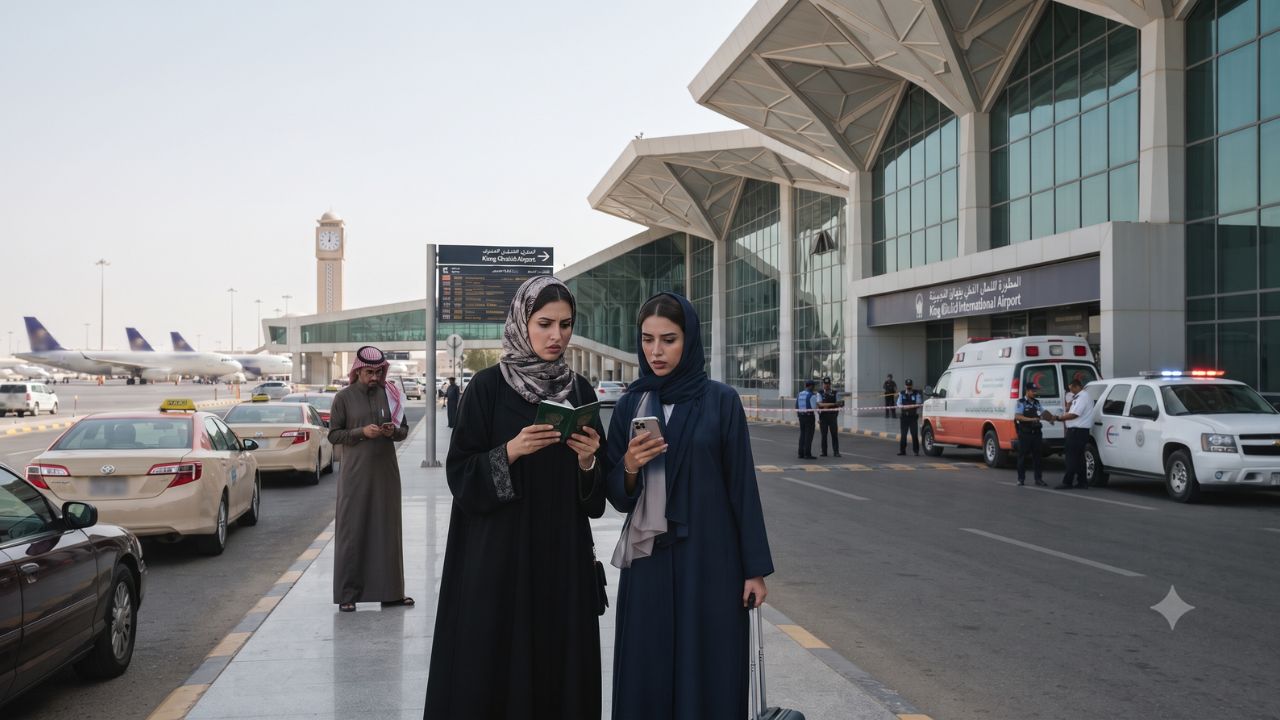
When air raid sirens pierced northern Riyadh on Saturday, 10 October 2026, an incoming projectile struck terminal facilities at King Khalid International Airport, claiming 12 lives and injuring 309 people in the deadliest civilian transit catastrophe in modern Saudi aviation history. Following an official casualty report released early Sunday, 11 October by the General Authority of Civil Aviation, commercial flight operations were abruptly suspended, sparking emergency diversions across the Arabian Peninsula. With diplomatic missions from London and Washington ordering citizens to stay away from terminal perimeters and carriers like Kuwait Airways grounding regional sectors, international travelers facing Gulf transit itineraries must navigate an operational shutdown where flight schedules remain entirely unpredictable.
Devastating Impact at Riyadh's Aviation Gateway
The Saturday strike caused widespread structural damage across passenger concourses. The confirmed death toll includes four Saudi citizens and eight foreign nationals, reflecting the diverse international workforce and transit passenger volume of the capital's flagship aviation hub. According to civil aviation reports, the foreign fatalities comprise two Bangladeshi nationals and one citizen each from the United States, Egypt, Jordan, Syria, Palestine, and Sudan.
Emergency response units mobilized dozens of ambulances to transport 309 wounded individuals to nearby metropolitan hospitals, where medical staff confirmed several patients remain in critical condition. Forensic investigators and structural engineers continue evaluating physical damage across passenger boarding gates, tarmac apron stands, and baggage sorting infrastructure.
The disaster marks the second fatal attack on King Khalid International Airport in seventy-two hours. On Thursday, 8 October, two projectile strikes struck airport grounds and damaged a parked Saudia commercial aircraft, killing three Saudi citizens and injuring several airport workers. While civil authorities managed to resume operations shortly after that initial incident, the recurrence of an attack on 10 October produced a far heavier casualty count, proving that an interim reopening does not guarantee sustained flight security.
| Incident Parameter | Official Position (Sunday, 11 October 2026 Update) | Direct Impact on Travelers |
|---|---|---|
| Confirmed Fatalities | 12 deceased (4 Saudis, 8 foreign nationals) | Major civilian disaster within international terminal perimeter. |
| Documented Injuries | 309 individuals receiving hospital treatment | Several victims remain in critical condition; medical facilities on alert. |
| Airport Status | Operations temporarily suspended | Departures halted; inbound commercial flights placed on holding patterns. |
| Regional Diversions | International flights diverted to alternate Gulf hubs | Aircraft repositioned to regional airports; onward baggage delayed. |
| Airline Cancellations | Kuwait Airways and international carriers canceling sectors | Scheduled services removed; flight crews reaching duty-time limits. |
| Diplomatic Directives | British and United States embassies urge citizens to avoid airport | Strict instructions to handle rebooking remotely from hotels or residences. |
| Prior Incident (8 Oct) | 3 Saudi fatalities; Saudia aircraft damaged | Highlights vulnerability of successive strikes within a three-day window. |
The operational fallout extends across global aviation networks, prompting scrutiny from the International Civil Aviation Organization, which emphasizes coordinated contingency management during civil conflict emergencies.
Aviation Gridlock, Airline Rotations, and Diversion Hubs
When an intercontinental hub like King Khalid International Airport freezes flight operations, the consequences ripple outward across the Gulf. Aircraft en route to Riyadh were diverted mid-flight to alternate airfields in neighboring provinces and neighboring Gulf Cooperation Council states. Kuwait Airways immediately announced cancellations across its Riyadh flight schedule, with European and Asian long-haul carriers initiating emergency schedule adjustments.
For passengers, distinguishing between a cancellation and a diversion is vital:
- Flight Diversions: Inbound long-haul aircraft redirected to alternate regional airports—such as Dammam's King Fahd International Airport, Medina, or international airports in the United Arab Emirates and Bahrain—leave travelers stranded hundreds of kilometers from their final destination. Airlines face severe logistical barriers arranging ground transport or repositioning crews who exceed mandatory flight-duty rest limits.
- Outbound Cancellations: Flights originating in Riyadh that are canceled outright require complete rebooking. Travelers cannot board subsequent legs of connecting itineraries without re-issuing ticket coupons, leading to missed international links in Europe, Asia, and North America.
- Aircraft Rotation Backlogs: Because aircraft scheduled to operate outbound morning services remain grounded or diverted elsewhere, flights scheduled days later will suffer compounding departure delays even after runways clear for takeoff.
Consular Alerts and Passenger Safety Protocols
Both the British Embassy in Riyadh and the United States Embassy issued urgent security notices instructing their nationals to stay completely clear of King Khalid International Airport. Consular officials strongly urge passengers not to travel to terminal ticket counters to seek flight information in person. Congregating in access roadways, terminal drop-off points, or public concourses exposes civilians to active security perimeters and secondary emergency operations.
All inquiries regarding ticket cancellations, itinerary adjustments, and emergency lodging vouchers must be conducted remotely through airline digital applications, verified travel management agents, or customer service phone hotlines from inside private residences, corporate compounds, or hotel rooms.
Visitor Insider Tips: Navigating Saudi Arabia During Regional Groundings
- Remain in Your Lodging and Rebook Electronically: Under no circumstances should you take an Uber, Careem, or taxi to King Khalid International Airport while operations remain halted. Customer service lobbies are restricted to authorized emergency and security personnel. Use airline smartphone apps or corporate booking portals from your hotel room to secure rebooking or ticket refunds.
- Preserve Digital and Physical Travel Documentation: Save screenshots of official cancellation notices, electronic ticket numbers, boarding passes, and emergency lodging receipts. In the event of travel insurance claims or ticket disputes, underwriters require written confirmation from the operating carrier documenting the suspension.
- Utilize Saudi Arabia Railways (SAR) for Inland Transit: If you are currently in Riyadh and must travel west toward the Red Sea or holy cities, avoid regional domestic flights. Saudi Arabia Railways operates intercity passenger trains from Riyadh Station to Hail and Qassim, while the Haramain High-Speed Railway operates electrified services between Medina, Jeddah, and Mecca, providing ground alternatives isolated from airport closures.
- Select Ground-Floor Hotel Rooms Facing Inward: When booking emergency accommodation in Riyadh, request rooms on lower floors located in the interior of the building rather than high-elevation corner suites facing arterial expressways or government installations. Identify the nearest reinforced interior stairwell in case municipal civil defense sirens sound.
- Refrain from Publishing Attack Imagery: Saudi Arabia enforces stringent anti-cybercrime legislation. It is strictly illegal to film, photograph, or share video footage of projectile impact sites, damaged airport facilities, or emergency service responses. Foreign passports provide zero legal immunity, and publishing unauthorized incident media carries penalties including immediate arrest, hefty fines, or extended imprisonment.
Cultural and Environmental Context: Protecting Heritage Amid Regional Tension
Riyadh represents the cultural and political core of Saudi Arabia, where traditional Najdi mud-brick architecture at the historic At-Turaif district in Diriyah meets the modern metropolis. Preserving this deep cultural heritage alongside ambitious national tourism goals under Vision 2030 requires complete public safety and airspace predictability.
When aviation hubs suffer violent disruption, municipal authorities prioritize protecting civilian populations and safeguarding historical monuments from secondary blast shockwaves. Sustainable tourism development relies on resilient civic infrastructure, community security, and transparent emergency communication. Ensuring travelers respect emergency guidelines helps local emergency responders focus on medical care and civic stabilization.
FAQ: Traveling Through Riyadh During the October 2026 Disruption
What caused the suspension of flights at King Khalid International Airport?
A missile strike on Saturday, 10 October 2026 hit airport facilities, killing 12 people and injuring 309, prompting the General Authority of Civil Aviation to temporarily halt operations.
Should passengers travel to Riyadh Airport to rebook their flights?
No. The British and United States embassies strictly advise against approaching the airport. Travelers must manage cancellations, rebookings, and refunds remotely through airline websites or travel agents.
Did earlier incidents occur at King Khalid International Airport this week?
Yes. On Thursday, 8 October, earlier projectile strikes damaged airport facilities and a Saudia aircraft, killing three Saudi citizens before operations briefly resumed.
Are international airlines operating flights to Riyadh right now?
Operations were suspended following the 10 October strike, with Kuwait Airways canceling services and inbound flights diverting to alternate hubs across the Gulf.
Across the desert plains of the Arabian Peninsula, true journey safety lies in patience, digital vigilance, and unwavering respect for official directives.
Related Travel Guides
Disclaimer
This article is for informational and educational purposes only. It does not constitute legal, financial, or professional advice. While we strive to provide accurate and up-to-date information, travel policies, regulations, and conditions change rapidly. Always verify information with official sources before making travel decisions. Nomad Lawyer makes no representations about the accuracy, reliability, completeness, or suitability of the information provided. Readers should consult qualified professionals for advice specific to their circumstances. The views expressed in this article are those of the author and do not necessarily reflect the views of Nomad Lawyer.
Preeti Gunjan
Contributor & Community Manager
A passionate traveller and community builder. Preeti helps grow the Nomad Lawyer community, fostering engagement and bringing the reader experience to life.
Learn more about our team →