
Riviera Travel And Others Are The Best Asia Cruise Lines As Cruise Tourism Is Set To Unlock New 2026 Voyages
Riviera Travel And Others Are The Best Asia Cruise Lines As Cruise Tourism Is Set To Unlock New 2026 Voyages

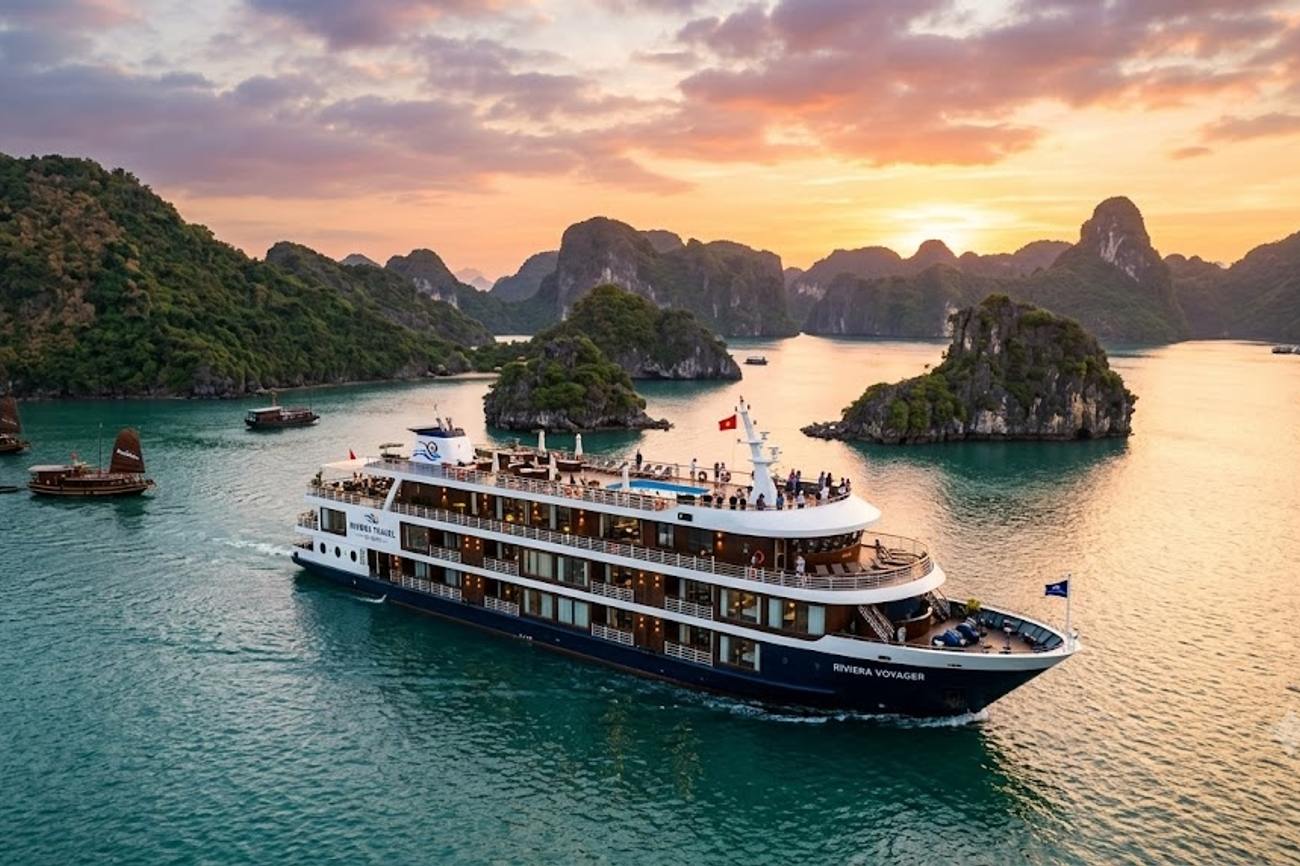
Image generated by AI
[Bangkok, September 14, 2026] — Thailand is aggressively expanding its cruise tourism infrastructure to accommodate a surge in diverse passenger segments as major global cruise lines unlock new itineraries for the 2026 and 2027 seasons.
The strategic expansion targets a broader demographic of Asian travelers by diversifying offerings across seven primary cruise operators. These companies—Riviera Travel, Princess Cruises, Celebrity Cruises, Royal Caribbean, Seabourn, Oceania Cruises, and Ponant—are shifting away from the traditional model of large-scale ships visiting only major hubs. Instead, the new operational framework integrates ocean gateways, remote coastal regions, and historic inland river systems to capture a wider share of the luxury, family, and expedition markets.
The Economic Catalyst for Thai Ports
The push for 2026 expansion follows a strong performance in 2024, where Thailand recorded 162 cruise ship calls. These arrivals brought a total of 379,036 passengers and 163,331 crew members to Thai shores. The economic impact of this activity reached THB 1.89 billion, marking a 6.9% increase over 2023 figures.
Revenue generation is not limited to passenger spending. The sector relies on a complex ecosystem of support services, including fuel bunkering, waste management, security, and ground handling. Furthermore, the 163,331 crew members contributing to the economy through local transport and service purchases highlight the secondary financial benefits of high-volume port calls. Primary hubs benefiting from this growth include Bangkok, Phuket, Samui, and various locations along the eastern seaboard.
Market Segmentation and Operator Specialization
The 2026-2027 cruise landscape in Asia is characterized by extreme specialization. Operators are no longer competing for the same general traveler but are instead carving out niche markets to optimize occupancy and spend.
- River and Inland Exploration: Riviera Travel is leading the shift toward inland tourism. By focusing on the Mekong, Yangtze, and Ganges rivers, the company is connecting cruise demand with rural landscapes and historic cities that are inaccessible to ocean-going vessels.
- Family and Multigenerational Travel: Celebrity Cruises is targeting the growing Asian family market with modern accommodations and activities designed for mixed-age groups.
- Ultra-Luxury and Boutique Access: Seabourn utilizes smaller vessels to target high-net-worth individuals. These ships can access smaller, exclusive ports that cannot accommodate mega-ships, thereby distributing tourism revenue to less-visited coastal areas.
- Expedition and Nature: Ponant is focusing on the expedition market, leading journeys to remote coastlines and environmentally sensitive areas.
- Culinary and Cultural Tourism: Oceania Cruises is integrating Thai culinary traditions into its itineraries, linking shore excursions with local markets and gastronomic experiences.
- Short-Haul Regionalism: Royal Caribbean is catering to first-time cruisers and those with limited vacation time by offering shorter, facility-rich regional voyages.
- Cultural Immersion: Princess Cruises continues to target couples and cultural enthusiasts with longer, multi-country Asian itineraries.
What This Means for Travelers
For passengers planning a trip to Asia in 2026 or 2027, the diversification of the market means more choice, but also more complex planning requirements.
1. Itinerary Flexibility is Mandatory Travelers booking river cruises (such as those with Riviera Travel) or expedition cruises (Ponant) must understand that itineraries are not guaranteed. Water levels on the Mekong or Yangtze, as well as conservation permits and weather conditions in remote coastal areas, can lead to last-minute route changes or cancelled landings.
2. Documentation and Visa Complexity As cruise lines like Princess and Celebrity expand multi-country journeys, the burden of documentation increases. Families must ensure all children have valid passports and that adults traveling without both parents possess the necessary legal supporting documents required by Thai and other Asian immigration authorities.
3. Hidden Cost Structures While short-haul cruises from Royal Caribbean appear more accessible, travelers should account for "add-on" costs. Taxes, service charges, beverage packages, and shore excursions often significantly increase the base fare.
4. Biosecurity Restrictions Those booking culinary-focused voyages with Oceania Cruises should be aware that while tours visit local markets, strict customs and biosecurity laws apply. The transport of fresh meats, plants, seeds, and certain fruits across borders remains prohibited.
Infrastructure and Future Outlook
The growth of the sector is heavily dependent on the continued development of the Tourism Authority of Thailand and local port authorities. The focus is shifting toward "high-value" tourism—prioritizing passengers who spend more per capita rather than simply increasing the volume of arrivals.
The integration of the eastern seaboard as a primary cruise destination is expected to relieve pressure on Phuket and Bangkok. By spreading the passenger load across more ports, Thailand aims to protect its environmentally sensitive coastal zones while maximizing the THB 1.89 billion revenue stream.
Looking toward 2027, the industry expects a further increase in "boutique" calls. The success of Seabourn’s smaller-ship model suggests that luxury travelers are willing to pay premiums for exclusivity and access to secluded destinations, a trend that other operators are likely to emulate.
FAQ: Asia Cruise Travel 2026-2027
Which cruise line is best for families visiting Thailand? Celebrity Cruises is specifically designed for multigenerational groups, offering modern facilities for both children and adults. However, parents should verify specific cabin limits and age-related activity rules before booking.
Can I bring local Thai food products back on my cruise? While culinary cruises like Oceania emphasize local markets, you must follow strict biosecurity rules. Fresh produce, meats, and seeds are generally prohibited from crossing borders due to customs regulations.
What happens if a river cruise route is blocked by weather? River cruises, particularly on the Mekong or Yangtze, are subject to water levels and navigation rules. Operators may alter the itinerary or skip certain ports; travelers should confirm the final route shortly before departure.
Are short cruises more affordable for first-timers? Royal Caribbean offers shorter regional voyages that require less time off work. While the initial ticket may be lower, travelers should budget extra for taxes, gratuities, and onboard spending.
The shift toward niche cruising marks the end of the one-size-fits-all era for Asian maritime tourism.
#ThailandCruise2026 #BKKPort #RivieraTravelAsia #CruiseTourismEconomics #PonantExpeditions #AsianMaritimeTravel
Related Travel Guides
Disclaimer
This article is for informational and educational purposes only. It does not constitute legal, financial, or professional advice. While we strive to provide accurate and up-to-date information, travel policies, regulations, and conditions change rapidly. Always verify information with official sources before making travel decisions. Nomad Lawyer makes no representations about the accuracy, reliability, completeness, or suitability of the information provided. Readers should consult qualified professionals for advice specific to their circumstances. The views expressed in this article are those of the author and do not necessarily reflect the views of Nomad Lawyer.
Raushan Kumar
Founder & Lead Developer
Full-stack developer with 11+ years of experience and a passionate traveller. Raushan built Nomad Lawyer from the ground up with a vision to create the best travel and law experience on the web.
Learn more about our team →