
Urban Sanctuary: Shanghai Welcomes China's First Ritz-Carlton Reserve
Shanghai's skyline will feature a new 480-meter, 103-floor mixed-use landmark in 2030, hosting China's first urban Ritz-Carlton Reserve.

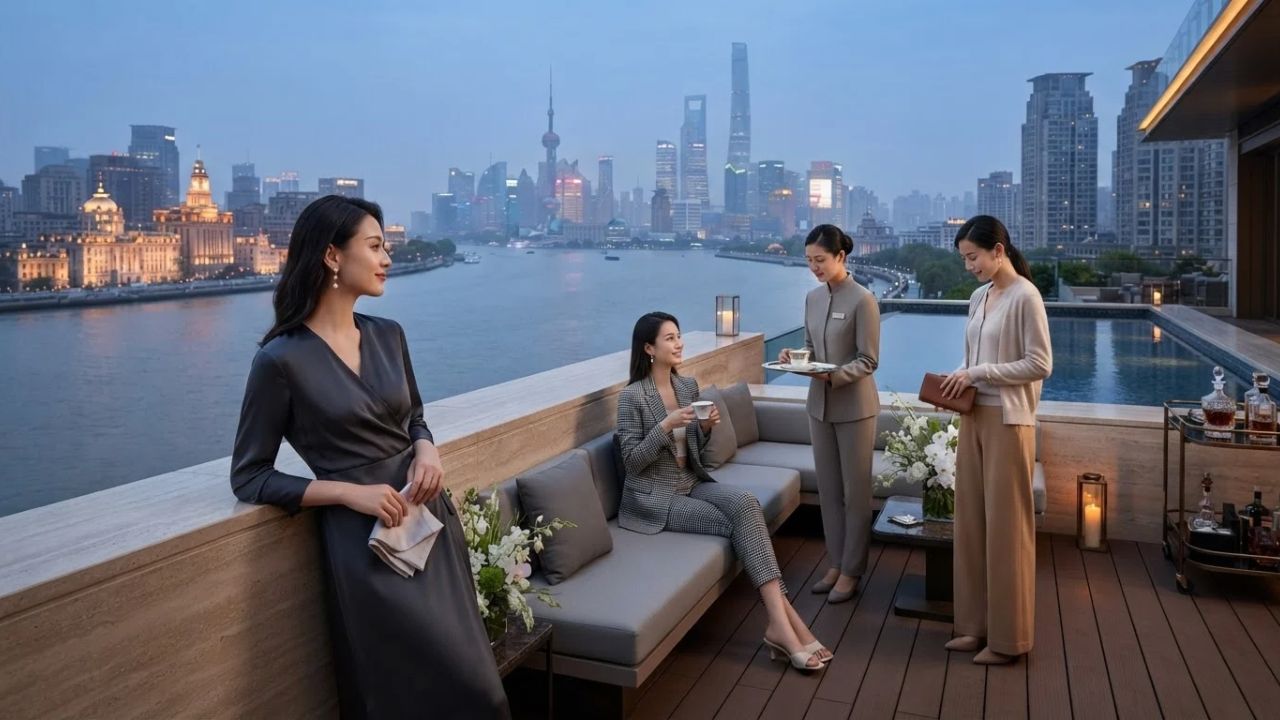
Image generated by AI
Shanghai's skyline will feature a new 480-meter, 103-floor mixed-use landmark in 2030, hosting the first urban Ritz-Carlton Reserve in China. This development will make Shanghai the only city in the world to host all eight of Marriott International's luxury hotel brands.
The Rise of the Urban Sanctuary in Luxury Hospitality
A prominent trend in the luxury hospitality sector is the evolution of the "urban sanctuary" concept. Historically, high-end wellness retreats were located in isolated, remote coastal or forest settings. Today, premium brands are adapting these principles for metropolitan areas, creating exclusive sanctuaries that offer privacy, authenticity, and a connection to local culture within the heart of global gateway cities.
By integrating personalized wellness programs, longevity initiatives, and bespoke services into vertical skyscraper developments, hotels allow business and leisure travelers to escape the pace of city life without requiring physical distance from the urban center.
North Bund Skyscraper Development Specifications
The upcoming Ritz-Carlton Reserve Shanghai will serve as the ultra-luxury hospitality element of a major mixed-use landmark:
- Building Height: The skyscraper will rise approximately 480 meters above the city.
- Floor Count: The tower will span 103 floors, featuring premium retail spaces, offices, residences, and a high-altitude observation deck.
- Room Inventory: The hotel is planned to include around 110 guestrooms and suites designed around privacy and personalized service.
- Riverfront Views: Selected accommodations will offer panoramic views of the Bund and the Huangpu River, including a range of signature suites and a Presidential Suite.
- Waterfront Location: The property is situated along Shanghai's North Bund waterfront district, a key urban development area.
The hotel's completion will make Shanghai the only city globally where all eight of Marriott International's luxury brands have an active presence.
Dining, Wellness, and Institutional Partnerships
The guest experience will focus on culinary variety and wellness restoration:
- Gastronomic Venues: The hotel is planned to feature a signature restaurant, Chinese dining concepts, a lobby lounge, and a uniquely designed bar.
- Wellness Facilities: Amenities will include an indoor swimming pool, modern fitness facilities, and a dedicated spa and wellness retreat focused on longevity and renewal.
- Development Partners: The agreement was signed in collaboration with SIIC Group, Shanghai Chengtou Group, and Shanghai SIIC North Bund Landmark Construction and Development Co., Ltd.
Tina Edmundson, President of Luxury for Marriott International, stated that bringing the Reserve philosophy to Shanghai represents a significant evolution for the brand, creating a sanctuary within the city's creative and commercial energy. Huang Haiping, Vice President of SIIC Group, noted that the collaboration will contribute to the district's emergence as a global center for culture, commerce, and tourism.
Ritz-Carlton Reserve Shanghai Project Specifications
The table below breaks down the key architectural, room, and brand coordinates for the upcoming development:
| Projected Opening | Skyscraper Height | Total Floor Count | Guestroom & Suite Inventory | Landmark Location | Brand Milestone |
|---|---|---|---|---|---|
| 2030 | Approximately 480 meters | 103 floors | Around 110 rooms | North Bund Waterfront | First urban Reserve in China |
These coordinates help travel operators track hotel openings and plan high-end itineraries in Shanghai.
Environmental Sustainability and Support for Local Craft
For the visitor, the real impact of a vertical mixed-use development is its contribution to sustainable urban density. Consolidating retail, office, residential, and hospitality facilities within a single high-efficiency skyscraper minimizes urban land footprint along the Huangpu River.
Additionally, the project incorporates modern energy-efficient building systems, reducing carbon emissions and managing water use. Integrating regional Chinese dining concepts and using locally sourced materials for interior designs directly supports independent farming networks and local artisan communities, preserving the region's cultural heritage.
For example, you can explore the changing dynamics of Ocean Landmark: Norway's The Whale Museum Reshapes Arctic Ecotourism to see how other destinations integrate architecture with conservation. For budget-conscious travelers, aligning slow city travel with municipal transit options mirrors similar regional initiatives, such as the Free Admission at Select US State Parks programs. This trend is similar to the tourism growth seen in other destinations, as detailed in our guide on how Utica, New York Emerges as an Affordable Northeast Tourism Hub.
Visitor Insider Tips: Navigating Shanghai's North Bund
If you are planning a trip to Shanghai or scheduling a future luxury stay, keep these practical tips in mind:
- Explore the North Bund Promenade: Take advantage of the hotel's location to walk along the North Bund waterfront, which offers less crowded views of the Lujiazui skyline compared to the traditional Bund.
- Utilize Public Subway Links: Use the Shanghai Metro (including Line 12) to travel between the North Bund, downtown commercial zones, and cultural sights efficiently.
- Book Wellness Spa Sessions in Advance: Once the property opens, coordinate with the wellness concierge to secure spa and longevity treatments before your arrival.
- Visit the Observation Deck at Sunset: Plan your visit to the tower's observation deck during the late afternoon to observe the sunset over the historic architecture of the Bund.
- Sample Regional Dumpling Varieties: Visit independent eateries in the surrounding Hongkou district to try local favorites like Xiaolongbao (soup dumplings) and shengjian mantou (pan-fried buns).
Long-Term Outlook for Shanghai's Waterfront Districts
The long-term outlook for Shanghai's tourism sector is focused on the expansion of pedestrian-friendly green corridors along the Huangpu River, the construction of modern cultural venues, and the development of energy-efficient hotel properties. As international travel demand shifts toward personalized wellness and heritage discovery, the North Bund is expected to play a key role in the city's tourism growth.
By integrating modern engineering with local identity, the city aims to build a sustainable and competitive urban tourism destination.
FAQ
When is the Ritz-Carlton Reserve Shanghai scheduled to open?
The new luxury hotel property is planned to open in the North Bund district in 2030.
How high will the new building rise?
The mixed-use skyscraper will rise approximately 480 meters above the city across 103 floors.
What makes Shanghai unique for Marriott's luxury portfolio?
Following the opening of the Ritz-Carlton Reserve, Shanghai will be the only city in the world where all eight of Marriott International's luxury brands have a presence.
What are the main wellness and dining features of the hotel?
The hotel will feature a dedicated spa and wellness retreat, an indoor swimming pool, a signature restaurant, Chinese dining concepts, a lobby lounge, and a bar.
Stay updated on the luxury hotel openings and urban redevelopments shaping Shanghai tourism.
Related Travel Guides
Disclaimer
This article is for informational and educational purposes only. It does not constitute legal, financial, or professional advice. While we strive to provide accurate and up-to-date information, travel policies, regulations, and conditions change rapidly. Always verify information with official sources before making travel decisions. Nomad Lawyer makes no representations about the accuracy, reliability, completeness, or suitability of the information provided. Readers should consult qualified professionals for advice specific to their circumstances. The views expressed in this article are those of the author and do not necessarily reflect the views of Nomad Lawyer.
Raushan Kumar
Founder & Lead Developer
Full-stack developer with 11+ years of experience and a passionate traveller. Raushan built Nomad Lawyer from the ground up with a vision to create the best travel and law experience on the web.
Learn more about our team →