
Dramatic Video Shows Boeing 777 Freighter in Perilous Low-Level Pass—Aviation Safety Experts Sound Alarm
Breaking airline news and aviation industry updates for 2026.

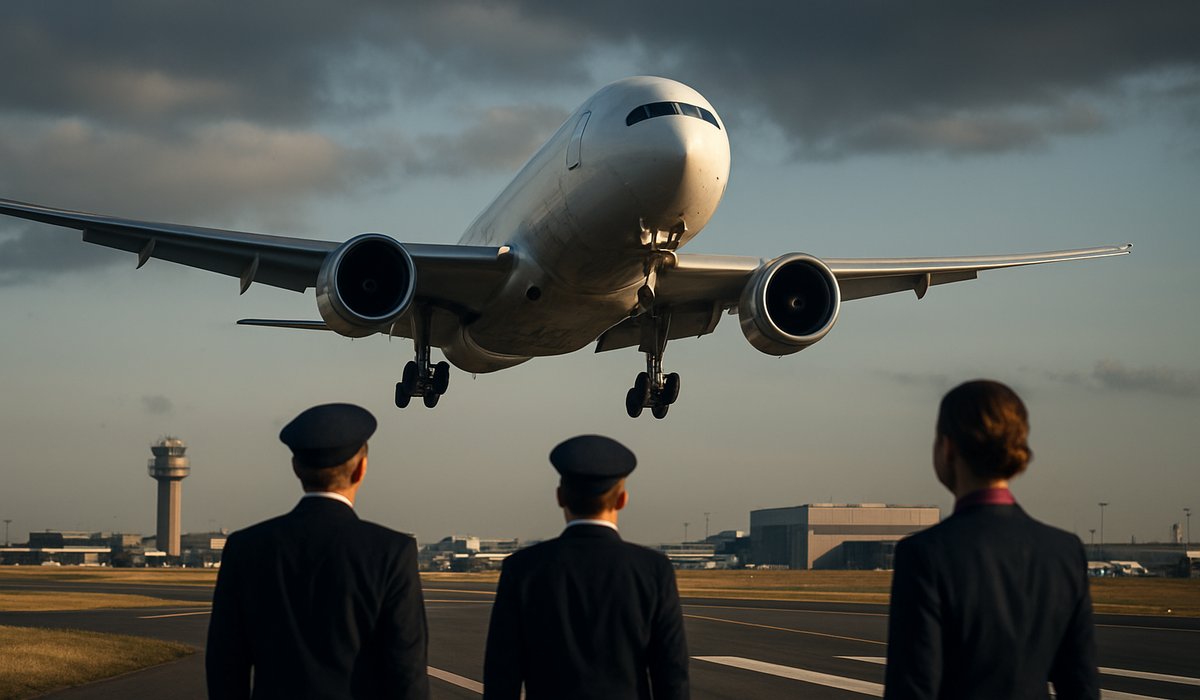
Image generated by AI
Dramatic Video Shows Boeing 777 Freighter in Perilous Low-Level Pass—Aviation Safety Experts Sound Alarm
Verified footage captures converted cargo aircraft executing dangerous maneuver, reigniting debate over pilot training standards and operational protocols
Shocking Footage Confirms Real-World Aviation Risk
Dramatic video evidence has emerged showing a Boeing 777-200LR converted freighter executing an extraordinarily low-altitude pass—a maneuver that aviation safety professionals say bordered on catastrophic. The verified footage, initially suspected by observers to be computer-generated imagery or flight simulation footage, has been confirmed as an actual incident, sending ripples of concern through the global aviation community.
The incident underscores persistent vulnerabilities in aerial operations, particularly within the cargo aviation sector, where cost pressures and scheduling demands can sometimes intersect dangerously with safety protocols.
The Incident and Industry Response
The Boeing 777-200LR, a wide-body aircraft originally designed for long-range passenger service, has increasingly been converted to freighter configuration to meet surging cargo demand—a trend accelerated by pandemic-driven supply chain disruptions and e-commerce expansion. These conversions have made the aircraft type a workhorse for air freight operations globally.
However, the recent footage has prompted urgent discussions among aviation regulatory bodies and industry stakeholders about operational oversight. The low-altitude pass captured on camera represents a violation of standard operating procedures and raises critical questions about crew training, decision-making protocols, and oversight mechanisms in cargo operations.
Safety Concerns in Modern Cargo Aviation
The incident highlights evolving challenges within freight aviation, an increasingly competitive sector where operators manage tight margins and demanding schedules. Industry analysts note that while commercial aviation maintains rigorous safety standards, the intensified focus on cargo operations—driven by rising fuel costs, aircraft availability constraints, and global logistics pressure—requires sustained vigilance.
Safety experts emphasize that low-level maneuvering poses extreme risks, including spatial disorientation, terrain collision hazards, structural stress on aircraft frames, and minimal recovery time for pilot intervention. The Boeing 777-200LR, despite its robust engineering, is not designed for such operations.
Looking Forward
This incident arrives amid broader industry scrutiny of cargo aviation practices. Regulatory authorities, including the Federal Aviation Administration and European Union Aviation Safety Agency, have been increasingly monitoring non-standard operational practices to prevent future occurrences.
The aviation community's response will likely shape operational guidelines and training requirements for converted freighter aircraft in coming months, potentially influencing logistics costs and service delivery across the global supply chain.
FAQ: Boeing 777 Freighter Safety and Aviation Operations
What is a Boeing 777-200LR converted freighter? A wide-body aircraft originally designed for long-range passenger service that has been retrofitted for cargo transportation to meet growing air freight demand.
Why are low-altitude passes dangerous for aircraft? Such maneuvers limit pilot recovery options in emergencies, increase structural stress, and elevate risks of terrain collision and disorientation.
How does cargo aviation differ from passenger flight operations? Freight operations often operate under different regulatory frameworks and scheduling pressures, though safety standards remain mandatory across all commercial aviation.
What regulatory bodies oversee cargo aircraft operations? The FAA, EASA, and national aviation authorities establish and enforce operational protocols for all commercial aircraft, including converted freighters.
Could this incident impact air freight costs? Enhanced safety protocols and training requirements may influence operational expenses, potentially affecting logistics pricing across the supply chain.
Related Travel Guides
External Resources
Disclaimer
This article is for informational and educational purposes only. It does not constitute legal, financial, or professional advice. While we strive to provide accurate and up-to-date information, travel policies, regulations, and conditions change rapidly. Always verify information with official sources before making travel decisions. Nomad Lawyer makes no representations about the accuracy, reliability, completeness, or suitability of the information provided. Readers should consult qualified professionals for advice specific to their circumstances. The views expressed in this article are those of the author and do not necessarily reflect the views of Nomad Lawyer.
Preeti Gunjan
Contributor & Community Manager
A passionate traveller and community builder. Preeti helps grow the Nomad Lawyer community, fostering engagement and bringing the reader experience to life.
Learn more about our team →