
Rewilding Tourism: How Restored Ecosystems Are Creating Profitable Travel Destinations Across Europe and Beyond in 2026
Rewilding projects worldwide are transforming degraded landscapes into thriving ecosystems while generating sustainable tourism revenue. Here's how nature—and travelers—are reclaiming once-exploited land.

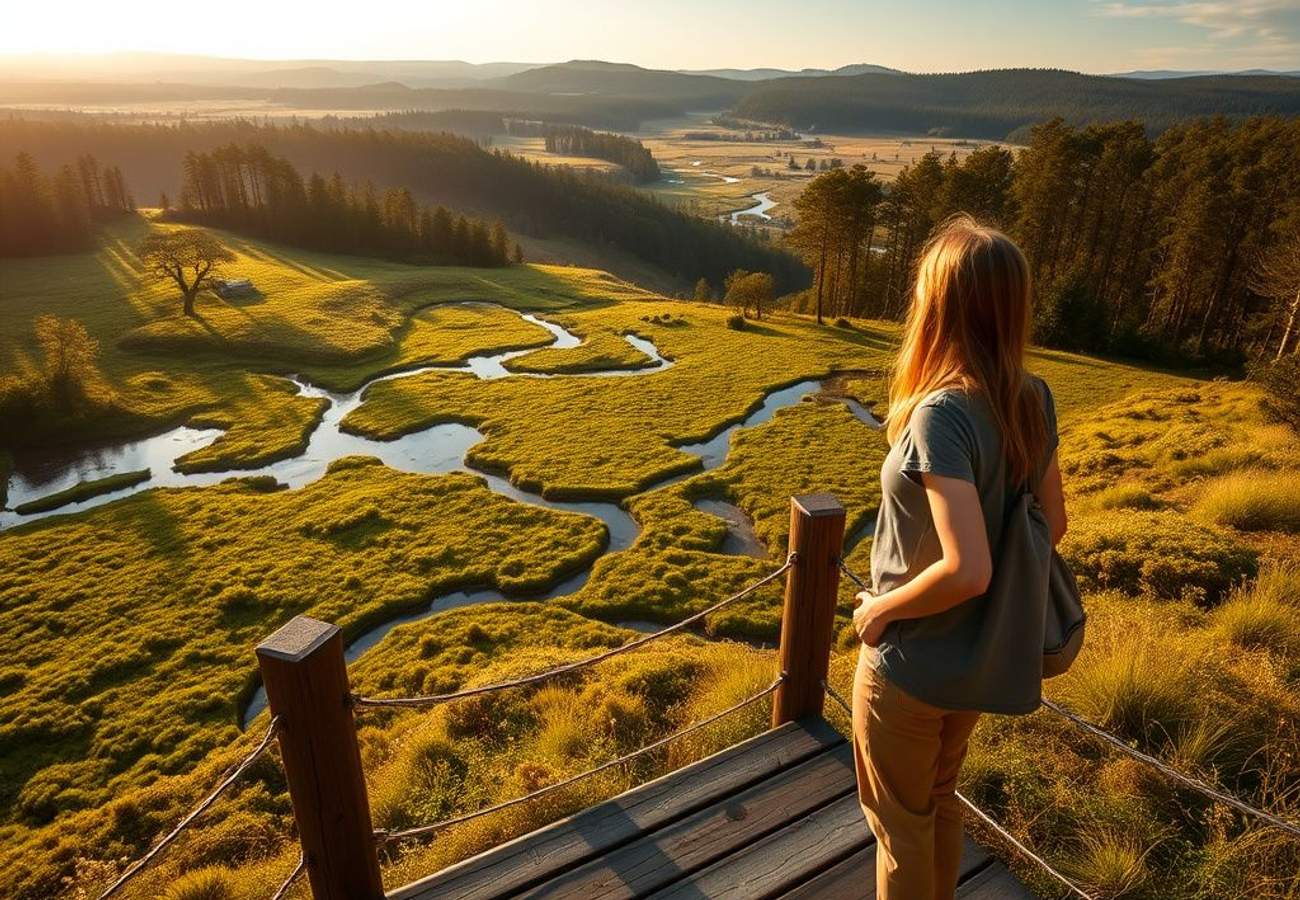
Image generated by AI
Nature's Comeback Story: When Degraded Land Becomes a Traveler's Paradise
I've witnessed something remarkable across continents: ecosystems once written off as dead are roaring back to life—and they're drawing thousands of curious travelers annually.
The shift is dramatic. What was cattle ranch, mining site, or exhausted farmland is becoming Europe's largest artificial wetland, Scotland's rewilded mountain refuge, or Costa Rica's thriving tapir sanctuary. This isn't just environmental policy. It's a seismic shift in how land generates value—economically and ecologically.
Esteban Brenes-Mora, a conservation biologist at Re:wild, put it plainly during our conversation about his favorite subject: the long-nosed tapir. "Nature's ability to bounce back never stops amazing me," he said.
A decade ago, the land that now hosts Tapir Valley Nature Reserve in northern Costa Rica was barren cattle pasture on the fringes of Tenorio Volcano National Park. Biodiversity? Gone. Topsoil? Depleted. Lagoon? Drained.
Today, after intensive rewilding with new plantings and lagoon restoration, the reserve teems with wildlife—including the iconic tapirs that locals revere. And here's the commercial angle: eco-tourism now supports far more families than the old cattle ranch ever did.
This pattern is repeating globally. Rewilding Europe now coordinates 100 initiatives across 29 countries. Re:wild—backed by Hollywood's Leonardo DiCaprio—operates internationally. The movement has momentum.
Reddit: "Just visited a rewilded estate in the UK. Never thought degraded farmland could look like this. Actually felt worth the trip." — r/travel
From Billionaire Hobby to Accessible Movement
When I first heard about rewilding a decade ago, it seemed like playground for the ultra-wealthy—billionaires buying 50,000 acres to let nature "do its thing." That narrative was always incomplete.
Lisa Chilton, CEO of Scotland: The Big Picture (founded 2008), directly addressed this misconception: "There's a feeling rewilding is just for billionaires. But it's far more inclusive and accessible than that."
The organization works with dozens of Scottish landowners, from massive estates to modest properties. At Ballintean Mountain Lodge in the Cairngorm massif, photographer Peter Cairns and his team spent three decades transforming an over-grazed equestrian center into a species-rich mosaic of grassland, woodland, and wetland. No billionaire status required.
The economic model is straightforward: replace harmful land use (intensive farming, logging, mining) with ecological recovery. Then monetize that recovery through sustainable tourism.
Knepp Estate in West Sussex—the flagship UK rewilding project—illustrates this perfectly. Author Isabella Tree and her husband Sir Charles Burrell documented their transformation of the failing 3,500-acre farm into a rewilding pioneer in the 2019 bestseller Wilding.
The numbers speak volumes. Knepp generates far more income as a restored ecosystem than as a farm. Tens of thousands of visitors annually walk footpaths, book overnight stays, and take wildlife safaris spotting purple emperor butterflies, nightingales, and roaming herds of cattle, deer, and ponies.
"We've been trying to get the message through for many years," Burrell told me. "Rewilding is a deeper, more philosophical way of thinking about our future and how we interact with nature."
The Wolf Narrative Problem
Here's where popular understanding fractures from reality.
When most people hear "rewilding," they picture wolves. Grey wolves in Yellowstone National Park (Wyoming, Montana, Idaho). Eurasian lynx in Germany's Harz mountains. Dramatic. Cinematically viable. But deeply misleading.
The reintroduction of apex predators does create what ecologists call trophic cascade—cascading benefits down the food chain. But this is rarely the main event in successful projects. Sir Charles Burrell heard this constantly: "It's just wolves, isn't it?"
Knepp proves otherwise. No wolves. Instead: water features attracting dragonflies, water shrews, and rare water violets. Natural grazing by reintroduced herbivores. The result? Some of Britain's rarest species have colonized the landscape independently.
Rewilding, fundamentally, is not about which apex predator to release. It's about removing the barrier and letting ecological complexity reassert itself.
Why Water Matters More Than Wolves
Rewilding specialists have a hierarchy. Water comes first.
Mountain ecosystems benefit rewilding most because healthy headwaters cascade benefits downstream—literally. Lake and wetland creation triggers the fastest ecological turnaround. "It's like digging a pond in your garden," Chilton explained. "You'll immediately see life attracted to it."
The Lusatian Lakeland project in eastern Germany exemplifies this principle. Disused opencast lignite mines—industrial wastelands—are being flooded to create Europe's largest artificial wetland landscape. Former mining towns now attract eco-tourists. The economic geography of the region shifted overnight.
Water restoration also means dam removal where applicable, ensuring natural river flow. Combine this with cessation of harmful practices (grazing reduction, logging bans), and you've created conditions for self-sustaining ecosystems.
The Human Element: Coexistence Over Exclusion
The biggest misconception? That rewilding means removing humans.
In reality, virtually every successful project places human-nature coexistence at the center. Local communities must see tangible economic benefits. Visitors must access the land thoughtfully. The land must generate revenue streams that justify ecological protection.
At Tapir Valley Nature Reserve, Brenes-Mora noted: "As a cattle ranch, perhaps just one family benefitted. Now it's eco-tourism—a dozen or more families benefit. That's the message we push: rewilding opens opportunities."
The Lusatian Lakeland now attracts holiday-goers to a region that would've remained economically depressed. Knepp Estate hosts luxury glamping, nature education programs, and safari experiences. Rutland Water in England—celebrating its 50th anniversary in 2026—combines recreational boating, cycling trails, and the Rutland Osprey Project (which released its 300th bird last year).
This is regenerative economics: restore nature, attract responsible visitors, sustain local livelihoods.
Rewilding Destinations to Visit Now
Iberian Highlands, Spain
The Southern Iberian Chain lost both biodiversity and people. Harsh winters and urban migration depopulated entire valleys. The Iberian Highlands project now spans 2.1 million acres of elevated plateaus, rocky ridges, and river canyons laced with hiking and biking trails.
Reintroduced scavengers (Cinereous vultures), elusive Iberian lynx, Iberian ibex, wild horses, and tauros populate the landscape. Three-hour rewilding safaris cost €25 (£22).
Rutland Water, England
One of Europe's largest artificial lakes at 50 years old, Rutland Water created wetland paradise by flooding several hamlets. A 1,000-acre reserve anchors the western end. The 23-mile perimeter path attracts walkers and cyclists. Ospreys and water voles have been successfully reintroduced.
Ambitious future plans include a 1,000-acre conservation attraction at Burley Estate featuring brown bears, wolves, and lynx. Ninety-minute osprey cruises cost £31.
Monti Sibillini National Park, Italy
Wild horses now roam freely across this mountainous national park, creating a landscape unchanged for centuries in appearance. Dramatic trekking and wild camping opportunities abound.
Knepp Estate, West Sussex, England
The flagship UK project offers guided safaris, overnight glamping, and educational programs. Book well in advance—visitor demand consistently outpaces availability.
Tenorio Volcano National Park Region, Costa Rica
Tapir Valley Nature Reserve operates guided eco-tours through restored cloud forest. The Río Celeste waterfall—cascading 30 meters from volcanic mineral deposits—attracts hikers and nature photographers.
The age of rewilded travel is here. Nature doesn't need our permission to recover—just our absence from actively destroying it.
Related Travel Guides
Disclaimer
This article is for informational and educational purposes only. It does not constitute legal, financial, or professional advice. While we strive to provide accurate and up-to-date information, travel policies, regulations, and conditions change rapidly. Always verify information with official sources before making travel decisions. Nomad Lawyer makes no representations about the accuracy, reliability, completeness, or suitability of the information provided. Readers should consult qualified professionals for advice specific to their circumstances. The views expressed in this article are those of the author and do not necessarily reflect the views of Nomad Lawyer.
Kunal K Choudhary
Co-Founder & Contributor
A passionate traveller and tech enthusiast. Kunal contributes to the vision and growth of Nomad Lawyer, bringing fresh perspectives and driving the community forward.
Learn more about our team →