
Oklahoma Little Known Waterfront Town: Ponca City Emerges as Hidden Gem
Ponca City, Oklahoma's overlooked waterfront destination, combines pristine lake recreation with Native American heritage and oil-boom history. This 2026 travel discovery offers visitors a quieter alternative to crowded tourist destinations.

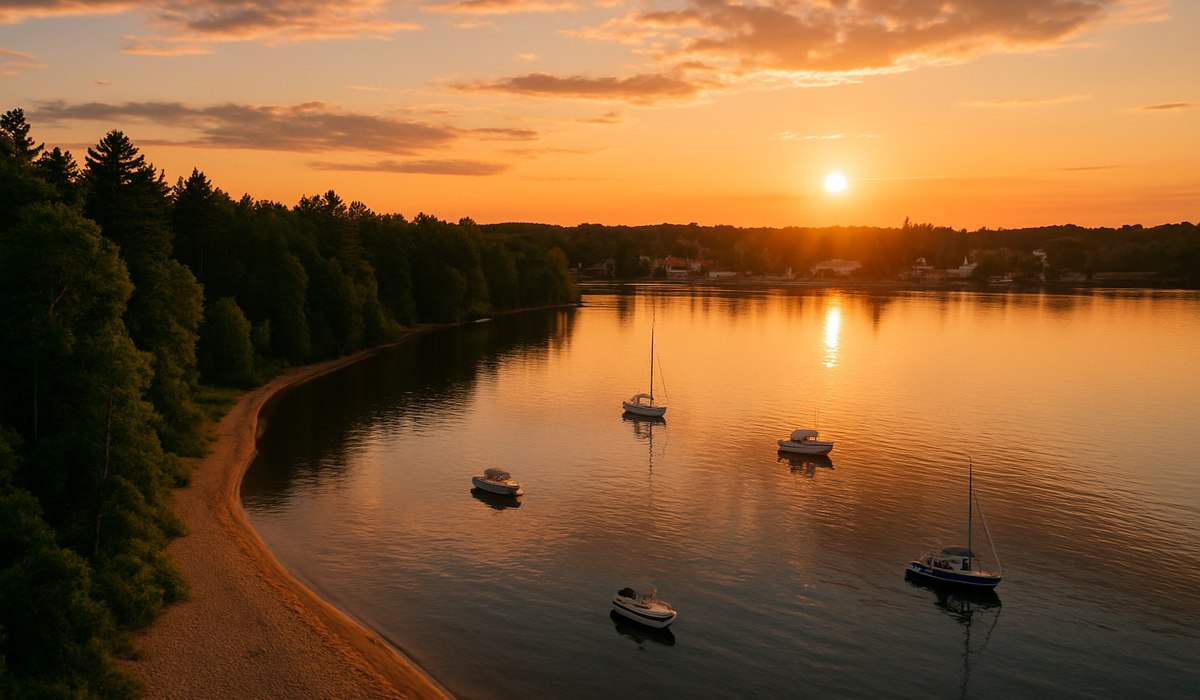
Image generated by AI
Ponca City: Oklahoma's Most Overlooked Waterfront Destination
Ponca City, nestled in Kay County along the shores of Lake Ponca, represents one of Oklahoma's most charming waterfront towns that remains largely undiscovered by travelers seeking authentic lakeside experiences. This quiet community combines exceptional water recreation opportunities with deep roots in Native American heritage and early-20th-century oil-industry history. Visitors to this overlooked Oklahoma town encounter a slower pace of life, accessible natural attractions, and cultural landmarks without the congestion of mainstream tourist destinations.
The emergence of Ponca City as a travel consideration reflects growing interest among nomadic professionals and leisure travelers seeking meaningful destinations beyond well-trodden paths. With multiple lakes, established recreational infrastructure, and rich historical narratives, this waterfront destination appeals to diverse traveler profiles, from families seeking summer activities to remote workers valuing community and natural settings.
Why Ponca City Is Oklahoma's Most Underrated Waterfront Destination
Ponca City's appeal extends far beyond its scenic lakeside setting. The town serves as a recreational hub anchored by water-based activities and supplemented by substantial cultural and historical attractions. Unlike crowded lake destinations in neighboring states, Ponca City maintains an authenticity that reflects genuine community life rather than manufactured tourism experiences.
The convergence of three major water systems—Lake Ponca, Kaw Lake, and the Arkansas River—creates a compelling recreational ecosystem. Local residents and visiting travelers enjoy boating, fishing, swimming, hiking, and camping without requiring reservations months in advance. The waterfront infrastructure remains well-maintained yet unpretentious, emphasizing accessibility over exclusivity.
Beyond water recreation, downtown Ponca City preserves tangible connections to Oklahoma's complex past. The Standing Bear Park and Museum honors Native American history and artistry. Marland's Grand Home showcases early-20th-century prosperity during Oklahoma's oil boom. The Conoco Museum documents petroleum industry impacts on regional development. This historical layering provides context and meaning to a visit beyond typical waterfront tourism. For travelers interested in understanding authentic Oklahoma heritage, Ponca City offers comprehensive historical interpretation integrated into modern community spaces.
Lake Ponca and Kaw Lake: Recreation and Activities
Lake Ponca provides 16 miles of accessible shoreline dedicated to recreational use. The facility includes boat launch ramps, permanent docking infrastructure, sandy swimming beaches, designated camping areas with electrical hookups, and playground facilities for families. The 18-hole disc golf course attracts growing numbers of casual and competitive players.
Hiking trails encircle Lake Ponca, offering elevated views of the water and surrounding ecosystems. These moderate-difficulty paths remain significantly less crowded than comparable trails in Colorado or mountain regions. Swimming beaches operate seasonally, typically May through September, with lifeguard coverage during peak hours.
Kaw Lake operates as the region's larger recreational anchor, encompassing 168 miles of shoreline and 17,000 surface acres. This expanded facility supports two marinas, multiple boat ramps, expanded camping infrastructure, and dedicated fishing zones. Kaw Lake's reputation for crappie, walleye, and bass fishing attracts regional anglers throughout spring and fall seasons. The Arkansas River provides additional paddling opportunities for kayaking and canoeing enthusiasts seeking dynamic water conditions.
The lakes remain less developed than comparable Oklahoma waterfront destinations, preserving natural shoreline characteristics while providing essential visitor amenities. Summer months, particularly June through August, see peak utilization but rarely approach capacity levels common at popular lake destinations elsewhere.
Exploring Downtown Ponca City Beyond the Water
Downtown Ponca City preserves carefully maintained historic architecture alongside contemporary retail and dining establishments. The commercial district reflects community priorities emphasizing both heritage preservation and practical services for residents and visitors.
Standing Bear Park honors Ponca Nation history through permanent exhibits and cultural programming. The associated Museum & Education Center features Native American artwork, historical artifacts, and interpretive displays explaining pre-contact and post-removal Ponca Nation history. The museum addresses complex topics including forced relocations, treaty violations, and cultural resilience with scholarly nuance.
Marland's Grand Home stands as an architectural statement reflecting the 1920s oil boom aesthetic. E.W. Marland, an oil magnate and political figure, constructed this mansion as a symbol of wealth and civic prominence. Contemporary tours provide context regarding Marland's business practices, philanthropic efforts, and complicated legacy. The home's preservation reflects community commitment to heritage interpretation regardless of moral complexity.
The Conoco Museum documents petroleum industry development, technological innovation, and economic impacts on Oklahoma. Interactive exhibits explain drilling techniques, refining processes, and market dynamics. The museum provides context for understanding how oil wealth financed community development while extracting environmental costs.
The Pioneer Women Museum celebrates contributions of women across Oklahoma's settlement and development periods. Exhibits feature personal artifacts, documentary photography, and biographical narratives of historically marginalized figures. The museum represents evolving interpretation practices acknowledging previously underrepresented communities.
The Lester & Mary Cann Memorial Botanical Gardens showcase native Oklahoma plant species, curated seasonal plantings, and walking paths suitable for relaxed exploration. Gardens peak in spring through early fall when flowering plants provide color and fragrance. The facility incorporates educational signage explaining plant ecology and landscape design principles.
Downtown dining options range from casual family establishments to upscale steakhouse concepts. Cross J Cattle Prime Steakhouse specializes in premium beef preparations typical of Oklahoma's ranching heritage. JW Cobbs provides approachable casual dining emphasizing family-friendly environments and reasonable pricing. Independent coffee shops, Mexican restaurants, and pizza establishments serve diverse culinary preferences and dietary needs.
Historical Significance: Native American Heritage and the Oil Boom
Ponca City's historical identity fundamentally reflects Native American displacement and petroleum industry expansion. Understanding this destination requires acknowledging both cultural contributions and historical trauma embedded in the landscape.
The Ponca Nation originally inhabited the Niobrara River region in present-day Nebraska. Federal Indian Removal policies forcibly relocated the tribe to Indian Territory (Oklahoma) in 1877, following broken treaty agreements and pressure from expanding settlement patterns. The relocation resulted in substantial mortality and cultural disruption. Contemporary Ponca Nation headquarters maintain historical archives and cultural programming honoring surviving traditions despite traumatic displacement history.
The Cherokee Strip Land Run of 1893 opened previously restricted territory to white settlement. Approximately 100,000 settlers simultaneously claimed land parcels, establishing homesteads and founding communities. Ponca City emerged from this settlement pattern as white settlers established commercial enterprises and civic institutions displacing existing Native American populations.
Petroleum discovery in the early 20th century transformed Ponca City into a regional economic center. Oil companies established operations, refineries, and corporate headquarters. Wealth generated from petroleum extraction financed civic infrastructure, cultural institutions, and commercial development. Marland's Grand Home exemplifies the architectural grandeur reflecting oil-boom prosperity.
This historical narrative reveals contradictions embedded in community identity. Contemporary Ponca City acknowledges both settler heritage and Native American dispossession through museum exhibits, historical markers, and interpretive programming. Visitors exploring the town encounter multiple historical perspectives presented with increasing scholarly rigor and ethical consideration.
Travel Timing and Seasonal Considerations
Ponca City experiences four distinct seasons influencing visitor experiences and activity availability. Spring temperatures range between 60-80 degrees Fahrenheit with moderate humidity levels. Botanical gardens bloom prolifically in April and May, creating photogenic conditions. Rainfall increases during spring months, occasionally causing trail mudiness and temporary waterway swelling.
Summer months bring elevated temperatures exceeding 85 degrees and increasing humidity levels. These conditions make lake swimming and water recreation particularly appealing. Summer represents peak family vacation season, though Ponca City remains substantially less crowded than comparable destinations. Seasonal festivals, including outdoor concert series and community events, occur regularly.
Fall conditions mirror spring with mild temperatures and lower humidity levels. Deciduous trees surrounding the lakes
Disclaimer
This article is for informational and educational purposes only. It does not constitute legal, financial, or professional advice. While we strive to provide accurate and up-to-date information, travel policies, regulations, and conditions change rapidly. Always verify information with official sources before making travel decisions. Nomad Lawyer makes no representations about the accuracy, reliability, completeness, or suitability of the information provided. Readers should consult qualified professionals for advice specific to their circumstances. The views expressed in this article are those of the author and do not necessarily reflect the views of Nomad Lawyer.
Raushan Kumar
Founder & Lead Developer
Full-stack developer with 11+ years of experience and a passionate traveller. Raushan built Nomad Lawyer from the ground up with a vision to create the best travel and law experience on the web.
Learn more about our team →