
Rajkot Division Shifts Eight Signals for Better Visibility in 2026
Western Railway's Rajkot division relocates eight signals across major stations in 2026, improving rail safety and passenger visibility. The initiative enhances operational clarity at Morbi, Wankaner, and Barwala Road stations.

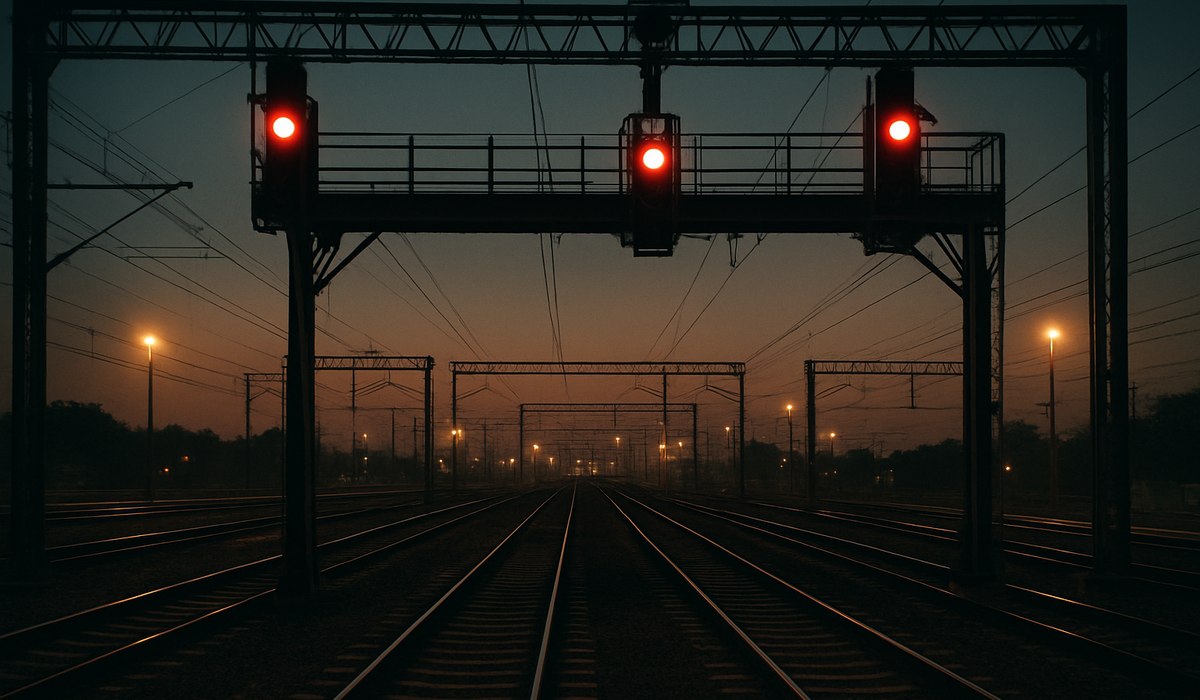
Image generated by AI
Strategic Signal Relocation Enhances Rail Operations Across Rajkot Division
Western Railway's Rajkot division has initiated a comprehensive signal repositioning project affecting eight critical locations across its network. This infrastructure upgrade, announced in April 2026, targets major stations including Morbi, Wankaner, and Barwala Road to significantly improve operational visibility and passenger safety. The Rajkot division shifts represent a strategic investment in modernizing railway infrastructure while maintaining seamless service continuity for travelers throughout Gujarat's western region.
The initiative addresses long-standing visibility challenges that impact both train operations and emergency response protocols. By relocating these eight signals to more strategically advantageous positions, Western Railway aims to enhance driver line-of-sight capabilities and reduce potential operational delays caused by signal recognition issues.
Signal Shifting Initiative Overview
The Rajkot division shifts form part of Western Railway's broader modernization agenda targeting enhanced safety standards across regional operations. Railway authorities identified eight specific signal locations where repositioning would yield maximum operational benefits. This phased approach ensures minimal disruption to existing train schedules while systematically upgrading infrastructure across the division.
The project reflects Western Railway's commitment to implementing international best practices in rail safety and visibility management. Each signal relocation involves detailed engineering assessments, technical approvals, and coordination with multiple operational departments. The initiative demonstrates how strategic infrastructure improvements can simultaneously enhance both safety and passenger experience without requiring substantial service interruptions.
Station personnel have received comprehensive training programs preparing them for the new signal configurations. Western Railway's technical teams conducted pre-implementation testing to ensure all relocated signals function optimally under various weather conditions and operational scenarios.
Stations Affected by the Relocation
Multiple stations across the Rajkot division shifts benefit from this infrastructure upgrade, with Morbi, Wankaner, and Barwala Road representing primary focal points. Morbi station, a significant junction handling considerable daily passenger traffic, receives signal repositioning designed to facilitate smoother train movements during peak hours. Wankaner station benefits from enhanced visibility measures supporting improved departure and arrival coordination.
Barwala Road station completes the primary cluster of affected locations, with signal relocation addressing specific operational challenges identified during recent safety audits. These three stations collectively handle substantial portions of the Rajkot division's daily passenger volume, making their infrastructure upgrades particularly significant for overall network performance.
Secondary stations throughout the division also benefit from the comprehensive relocation initiative, though Morbi, Wankaner, and Barwala Road stations receive the most substantial signal repositioning efforts. Travelers using these stations will observe enhanced signaling infrastructure and potentially improved operational efficiency reflected in more punctual train services.
Safety and Visibility Improvements
Enhanced visibility represents the primary objective driving the Rajkot division shifts initiative, with engineers positioning eight signals to maximize driver line-of-sight capabilities. The repositioning directly addresses visibility constraints that previously existed during adverse weather conditions, peak traffic periods, and nighttime operations. Improved signal recognition reduces reaction times and supports safer train movements throughout the division.
The eight relocated signals now occupy positions offering superior visibility from standard driver cabins under multiple operational conditions. This upgrade particularly benefits trains operating during early morning hours, evening service periods, and monsoon season when atmospheric conditions typically challenge signal recognition. Enhanced visibility supports more reliable automatic signaling system performance and reduces dependency on manual operational protocols.
Safety improvements extend beyond signal visibility to encompassing broader operational efficiency gains. Clearer signal sightlines enable smoother train movement coordination, reducing operational delays and supporting more predictable travel times for passengers. The relocation initiative also facilitates emergency response protocols by ensuring clearer communication between control centers and train crews during critical situations.
Implementation Details and Timeline
The Rajkot division shifts follow a carefully structured implementation timeline designed to minimize service disruptions while ensuring thorough technical execution. Western Railway coordinated the signal relocation project across multiple maintenance windows, strategically scheduling work during periods of reduced traffic volume. Phased implementation allows the division to maintain full operational capacity while systematically completing signal repositioning activities.
Technical teams conducted extensive pre-work surveys documenting current signal specifications, power supply configurations, and communication network integration points. The eight signals underwent individual assessment processes ensuring each relocation incorporated appropriate engineering safeguards. Installation of new signal foundations, cabling infrastructure, and communication connections proceeded according to detailed project schedules established by Western Railway's technical departments.
Station managers oversaw localized implementation activities while maintaining coordination with divisional headquarters ensuring project alignment with broader operational objectives. All signal relocations incorporated redundant safety testing protocols confirming proper functionality before returning affected routes to standard operational status. The comprehensive implementation approach demonstrates how large-scale infrastructure projects can proceed while preserving service reliability and passenger safety.
How to Book the Best Fare
Travelers planning journeys through stations affected by the Rajkot division shifts can secure optimal fares by understanding current booking strategies and platform options. Booking directly through Western Railway's official website offers transparent pricing and comprehensive journey planning tools. The Indian Railways official portal provides real-time availability and detailed fare structures across all service classes.
Alternative booking platforms including Trainline offer comparative fare analysis and multi-carrier journey options for regional and long-distance routes. Advance booking typically yields superior pricing compared to last-minute reservations, particularly during peak travel seasons. Travelers should compare fares across general, reserved, and premium seating categories to identify options matching their specific travel requirements and budgets.
Setting fare alerts through major booking platforms enables automatic notifications when prices decrease for preferred routes and dates. Traveling during off-peak periods—Tuesday through Thursday, excluding festival seasons—consistently delivers lower fares compared to weekend journeys. Membership programs offered by Western Railway and partner platforms often provide additional discounts, cashback benefits, and exclusive booking privileges for frequent travelers.
Signal Relocation Fact Summary
| Aspect | Details |
|---|---|
| Division | Western Railway Rajkot Division |
| Number of Signals Relocated | Eight signals across multiple stations |
| Primary Stations Affected | Morbi, Wankaner, Barwala Road |
| Main Objective | Enhanced visibility and operational safety |
| Implementation Approach | Phased rollout during maintenance windows |
| Expected Outcome | Improved train movement coordination and punctuality |
| Training Programs | Comprehensive staff training on new configurations |
| Weather Adaptability | Enhanced performance during adverse conditions |
| Safety Redundancy | Multiple testing protocols before operational activation |
| Regional Impact | Positive effects across entire Rajkot division network |
What This Means for Travelers
The Rajkot division shifts directly benefit passengers through multiple concrete improvements to their rail travel experience. Understanding these changes helps travelers make informed decisions about route selection and booking strategies:
-
Expect More Punctual Services: Signal relocation improvements typically reduce operational delays, enabling trains to maintain published schedules more consistently throughout the Rajkot division.
-
Enhanced Safety Standards: Improved visibility reduces accident risks and operational hazards, supporting safer train movements for all passengers regardless of journey duration.
-
Better Departure and Arrival Coordination: Clearer signal positioning facilitates smoother station operations, particularly during peak hours when multiple trains require simultaneous coordination at major stations like Morbi.
-
Improved Customer Information Systems: Enhanced visibility supports more reliable real-time information displays at stations, helping passengers track service status and platform assignments more accurately.
-
Smoother Connection Times: At stations functioning as junction points, improved signal efficiency reduces layover periods between connecting services, benefiting travelers requiring multi-leg journeys.
-
Weather-Resilient Operations: Enhanced signal positioning performs reliably during monsoon conditions and reduced-visibility periods, supporting more consistent service delivery across challenging seasons.
Frequently Asked Questions
How will the signal relocations affect my train schedule?
Western Railway implemented the signal relocations during strategic maintenance windows designed to
Disclaimer
This article is for informational and educational purposes only. It does not constitute legal, financial, or professional advice. While we strive to provide accurate and up-to-date information, travel policies, regulations, and conditions change rapidly. Always verify information with official sources before making travel decisions. Nomad Lawyer makes no representations about the accuracy, reliability, completeness, or suitability of the information provided. Readers should consult qualified professionals for advice specific to their circumstances. The views expressed in this article are those of the author and do not necessarily reflect the views of Nomad Lawyer.
Kunal K Choudhary
Co-Founder & Contributor
A passionate traveller and tech enthusiast. Kunal contributes to the vision and growth of Nomad Lawyer, bringing fresh perspectives and driving the community forward.
Learn more about our team →