
Raider Aircraft Officially Enters 6th-Generation Production—A First for Military Aviation
Northrop Grumman's B-21 Raider aircraft officially reaches low-rate production in 2026, making history as the first 6th-generation military aircraft designation before any fighter jet earns the classification.

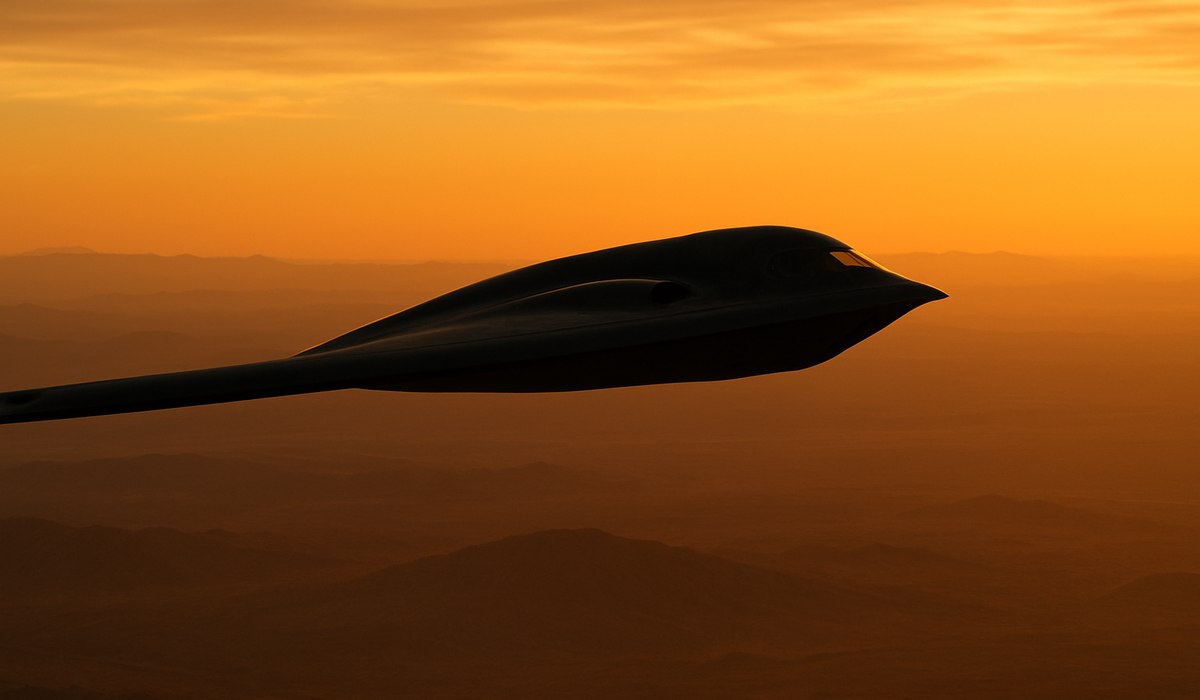
Image generated by AI
Historic Milestone: Raider Aircraft Officially Enters Production Phase
Northrop Grumman's B-21 Raider stealth bomber has officially achieved low-rate production status, marking a watershed moment in military aviation history. The aerospace giant recently delivered two operational prototypes to the U.S. Air Force for comprehensive testing and validation. This milestone positions the raider aircraft officially as the first-ever 6th-generation military platform to reach this developmental stage, surpassing fighter jet programs that have pursued similar classifications without yet attaining production status. The raider aircraft officially represents a generational leap in strategic deterrence capabilities.
The initial delivery underscores the $5 billion program's trajectory toward full operational integration. These two aircraft will undergo rigorous evaluation before formal introduction to active service at Ellsworth Air Force Base in South Dakota next year. The raider aircraft officially joins the Air Force inventory during a critical period of modernization, addressing evolving global security dynamics.
B-21 Raider Enters Low-Rate Production: What Changed
The transition from developmental testing to low-rate production represents a critical inflection point for the Raider program. Low-rate initial production (LRIP) enables the Air Force to begin manufacturing a limited quantity of aircraft while contractors optimize manufacturing processes and resolve any outstanding technical issues. This phase typically precedes full-scale production and validates that systems perform reliably under operational conditions.
Northrop Grumman's achievement with the raider aircraft officially demonstrates confidence in design maturity and manufacturing feasibility. The company has successfully demonstrated stealth characteristics, payload integration, and autonomous systems functionality across multiple test flights. Engineers verified that the aircraft meets stringent performance requirements for penetrating advanced air defense networks and delivering strategic capabilities.
The production authorization reflects Pentagon confidence in the program's technical foundation. Defense officials established the 6th-generation designation based on the raider aircraft's revolutionary design features, advanced materials, and sensor fusion capabilities. This classification places the aircraft ahead of contemporaneous fighter development programs still pursuing similar technological standards.
What Makes It 6th-Generation: Advanced Capabilities Explained
The raider aircraft officially earned its 6th-generation classification through multiple revolutionary capabilities that distinguish it from previous aircraft. Unlike fighter jets emphasizing air-to-air combat, the B-21 focuses on autonomous mission planning, artificial intelligence-assisted targeting, and reduced signature technologies that minimize detectability across multiple electromagnetic spectrums.
Stealth integration represents the foundation of the raider aircraft's generation designation. The design incorporates advanced composite materials, signature-reducing geometries, and active cancellation technologies that minimize radar returns. Engine placement, surface treatments, and aerodynamic refinement combine to achieve unprecedented low-observable characteristics.
The raider aircraft officially features integrated sensor networks enabling information dominance. Advanced targeting systems process real-time intelligence through machine learning algorithms, enabling autonomous decision-making during complex missions. This human-machine teaming approach distinguishes 6th-generation platforms from earlier aircraft relying on human pilots for tactical decisions.
Network-centric warfare capabilities define the raider aircraft officially. The bomber communicates across multiple frequency bands while maintaining stealth, enabling coordination with other aircraft, ground assets, and space-based systems. This interconnected operations concept represents the essence of 6th-generation military aviation doctrine.
USAF Deployment and Expansion Plans: Strategic Vision
The U.S. Air Force has committed to acquiring at least 100 B-21 Raider bombers, with internal discussions already exploring expansion to 145 or more aircraft. This substantial procurement reflects the aircraft's critical role in long-range strike capability and nuclear deterrence missions throughout the 2030s and beyond.
Ellsworth Air Force Base in South Dakota will receive the first operational aircraft next year, establishing the initial squadron. The base's existing strategic bomber infrastructure and trained personnel positions it ideally for Raider integration. Subsequent deployments will establish additional squadrons at other strategic locations, expanding global presence.
The raider aircraft officially represents the foundation of America's future strategic bombing force. Retirement of legacy B-1B and B-2 platforms will accelerate as Raider squadrons reach full operational capability. The transition enables Air Force transformation toward advanced technology platforms while maintaining continuous strategic deterrence operations.
International positioning remains critical to strategic planning. The raider aircraft officially will operate from allied bases during global deployments, maintaining U.S. commitment to security partnerships. Pacific and European theaters will receive priority for initial operational rotations, reflecting current geopolitical dynamics.
Strategic Impact on Military Aviation and Global Defense
The raider aircraft officially represents a generational watershed in military aviation technology and procurement timelines. Its advancement to low-rate production before fighter programs achieve 6th-generation status reflects the distinct capabilities demanded of strategic bombers versus tactical fighters.
This development trajectory influences global defense industry competition and technology advancement cycles. Allied nations including the United Kingdom, Australia, and Japan monitor the Raider program closely, informing decisions about future combat platform development. The aircraft's demonstrated capabilities shape international expectations for next-generation military aircraft.
Air superiority competition intensifies as adversary nations pursue 6th-generation fighter development programs. Russian and Chinese military aviation programs accelerate their timelines in response to American capabilities demonstrated by the raider aircraft officially. This technological competition drives rapid innovation across aerospace sectors worldwide.
The raider aircraft officially demonstrates that generational advancement encompasses more than fighter performance metrics. Stealth integration, autonomous systems, and network capabilities redefine superiority in contested airspace. Future conflicts will prioritize information advantage, sensor fusion, and coordinated operations—all core strengths of 6th-generation bombers.
Traveler Action Checklist: How Aviation Enthusiasts Can Engage
Aviation enthusiasts and defense technology followers can monitor the B-21 Raider program's progression through accessible resources and engagement opportunities.
-
Track official announcements via the Department of Defense and Air Force public affairs channels for deployment schedules, operational updates, and significant program milestones.
-
Follow defense industry coverage through specialized publications covering aerospace and defense technology, military aviation, and strategic policy developments.
-
Monitor aerospace news platforms including FlightAware and aviation-specific media outlets that often highlight military aviation developments and aircraft movements.
-
Engage with Air Force communication channels on social media platforms for official program information, historical context, and educational resources about strategic aviation capabilities.
-
Consult Pentagon newsroom resources at defense.gov for comprehensive press releases, fact sheets, and detailed technical information about next-generation military aircraft.
-
Review Federal Aviation Administration guidance at faa.gov for information about military aircraft operations and airspace restrictions that may affect civilian aviation.
Key Data Table: B-21 Raider Specifications and Program Status
| Specification | Details |
|---|---|
| Program Cost | $5 billion estimated development and initial production |
| Production Status | Low-Rate Initial Production (LRIP) phase active as of July 2026 |
| Initial Deliveries | Two aircraft delivered to U.S. Air Force for operational testing |
| 6th-Generation Classification | First aircraft officially designated before any fighter jet earned the label |
| Planned Procurement | Minimum 100 aircraft; expansion discussions target 145+ airframes |
| Operational Deployment | Scheduled introduction to active service at Ellsworth Air Force Base, South Dakota in 2027 |
| Primary Roles | Nuclear deterrence, conventional strategic strike, long-range penetration operations |
| Contractor | Northrop Grumman Corporation |
What This Means for Travelers and Aviation Observers
The raider aircraft officially reaching low-rate production affects the broader aviation landscape by demonstrating accelerating technology advancement cycles. Commercial aviation benefits indirectly from military platform innovations, as stealth materials, advanced composites, and autonomous systems eventually transition to civilian applications through technology transfer programs.
Aviation enthusiasts should
Disclaimer
This article is for informational and educational purposes only. It does not constitute legal, financial, or professional advice. While we strive to provide accurate and up-to-date information, travel policies, regulations, and conditions change rapidly. Always verify information with official sources before making travel decisions. Nomad Lawyer makes no representations about the accuracy, reliability, completeness, or suitability of the information provided. Readers should consult qualified professionals for advice specific to their circumstances. The views expressed in this article are those of the author and do not necessarily reflect the views of Nomad Lawyer.
Preeti Gunjan
Contributor & Community Manager
A passionate traveller and community builder. Preeti helps grow the Nomad Lawyer community, fostering engagement and bringing the reader experience to life.
Learn more about our team →