
Qatar Tourism Expands Beyond Doha With New Coastal Resorts and Desert Wellness Hubs in 2026
Qatar is pivoting from urban city breaks to regional dispersal, leveraging new coastal hubs like Simaisma and Fuwairit Kite Beach to extend visitor stays.

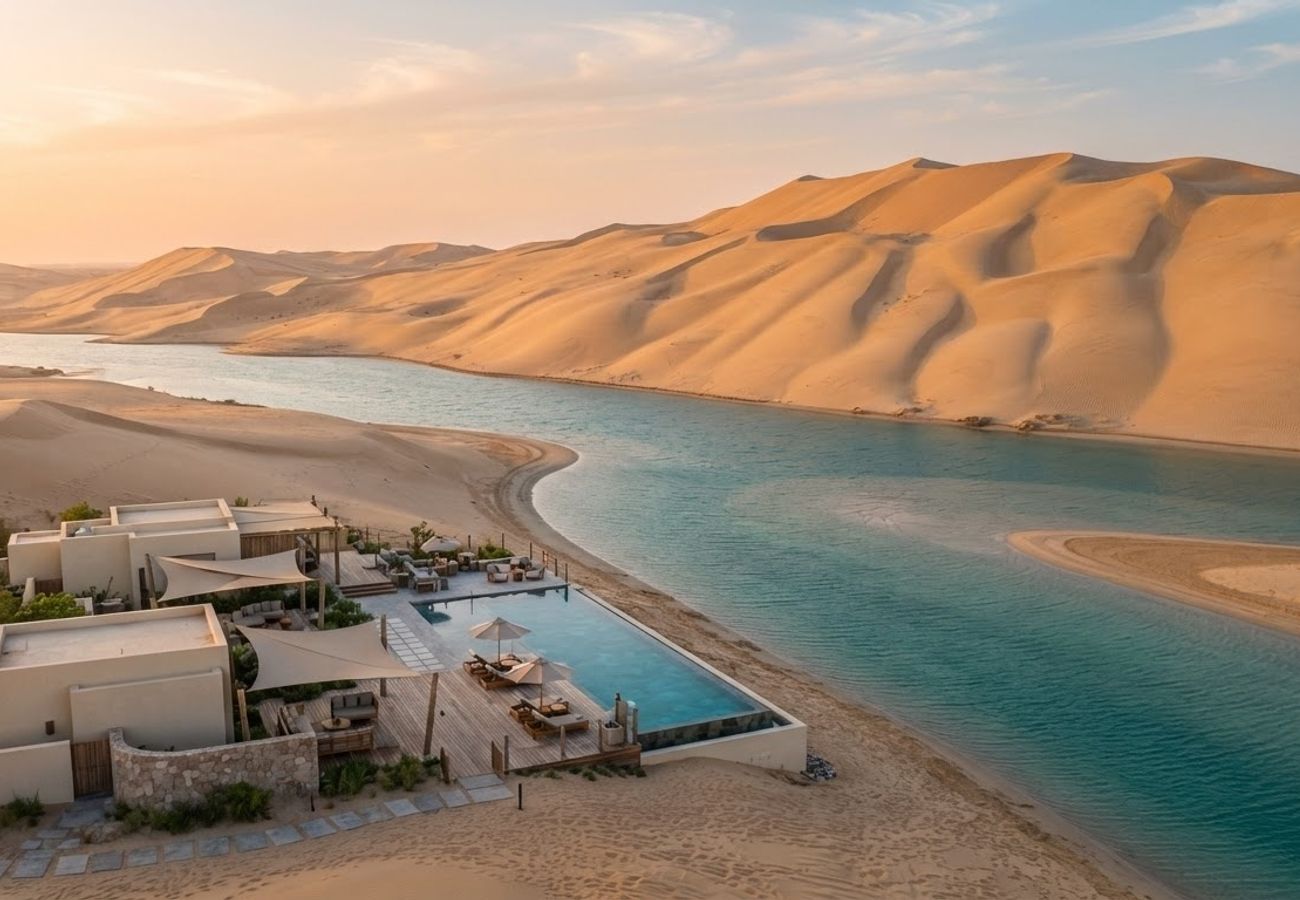
Image generated by AI
Qatar is shifting its tourism DNA from short-term urban visits to multi-destination itineraries, using new coastal and desert hubs to convert transit passengers into long-stay vacationers.
The traditional travel pattern for Qatar has long been centered on the high-rises of West Bay and the modern architecture of Lusail. However, a strategic pivot is now pushing visitation toward the periphery. By developing specialized zones for adventure, luxury, and eco-wellness, the destination is successfully breaking the "city-break" mold, encouraging visitors to explore the natural diversity of the peninsula.
The Shift Toward Regional Dispersal
The movement away from the capital is not merely about adding new hotels; it is a structural change in how the country is marketed to international travelers, particularly those from Europe. The goal is to create a scalable experience where the length of a stay dictates the depth of exploration.
While Doha remains the cultural anchor, the emergence of distinct regional hubs allows for a "split-stay" model. Travelers can now balance the high-energy urban environment of the capital with the secluded luxury of the coast or the silence of the desert.
New Anchors of the Qatari Experience
Three specific locations are driving this expansion, each catering to a different traveler psychographic:
Fuwairit Kite Beach: The Adventure Hub Located in northern Qatar, Fuwairit is repositioning the region as a center for active leisure. By focusing on kitesurfing and waterfront recreation, it attracts a younger, adventure-oriented demographic that previously viewed Qatar as purely a luxury or business destination. This site serves as a primary catalyst for visitors to venture north of the capital.
Simaisma: The Luxury Coastal Retreat Simaisma is evolving into a premium coastal enclave, offering high-end accommodation that rivals the established hotel districts of Doha. For the visitor, the real impact is the ability to experience a true resort holiday without leaving the country, making Qatar a viable alternative to other Gulf beach destinations.
Khor Al Adaid: Eco-Wellness and Desert Exploration Known as the Inland Sea, Khor Al Adaid provides a rare geographical phenomenon where massive desert dunes meet the Arabian Gulf. This area is now the focal point for eco-tourism and wellness retreats. The shift here is toward low-impact, nature-focused stays that offer a stark contrast to the metropolitan density of Doha.
Aviation Integration: The Stopover Engine
The success of these new destinations relies heavily on the "stopover conversion" strategy managed by Qatar Airways and Hamad International Airport. The objective is to transform the airport from a transit point into a gateway.
The current model utilizes subsidized hotel stays and streamlined electronic transit entry to lower the barrier for long-haul passengers. The logic is simple: a 24-hour stopover focuses on Doha’s museums and souqs, but a 48- to 72-hour window allows for a trip to Fuwairit or a night in the desert. By linking aviation logistics directly to regional tourism, Qatar is effectively manufacturing demand for its new coastal and desert sites.
Visitor Insider Tips
To get the most out of a dispersed Qatar itinerary, travelers should consider these local nuances:
- Timing the Desert: Visit Khor Al Adaid during the winter months (November to March). The humidity drops significantly, and the temperatures are ideal for dune bashing and overnight camping.
- Kite Beach Etiquette: While Fuwairit is geared toward adventure, remember that Qatar maintains conservative cultural norms. Modest swimwear is recommended when moving from the beach to local village areas.
- The Stopover Hack: Use the official Qatar Airways stopover packages to secure luxury 4- or 5-star hotels at significantly reduced rates, then use these as a base to rent a 4x4 for desert excursions.
- Hidden Gem: When visiting the north, look for small local fisheries and traditional coffee spots away from the main resorts to experience authentic Qatari hospitality.
Long-Term Tourism Outlook
The long-term impact of this strategy is a more resilient tourism economy. By diversifying its product offering—from kitesurfing in the north to wellness in the Inland Sea—Qatar reduces its reliance on business travel and short-term transit.
The integration of sustainable eco-tourism in Khor Al Adaid, supported by regional conservation guidelines, ensures that the growth does not come at the expense of the environment. As the infrastructure in Simaisma and Fuwairit matures, Qatar is positioned to move from being a "stopover destination" to a primary holiday choice for the global luxury and adventure markets.
The desert is no longer just a backdrop; it is now the destination.
Related Travel Guides
Disclaimer
This article is for informational and educational purposes only. It does not constitute legal, financial, or professional advice. While we strive to provide accurate and up-to-date information, travel policies, regulations, and conditions change rapidly. Always verify information with official sources before making travel decisions. Nomad Lawyer makes no representations about the accuracy, reliability, completeness, or suitability of the information provided. Readers should consult qualified professionals for advice specific to their circumstances. The views expressed in this article are those of the author and do not necessarily reflect the views of Nomad Lawyer.
Preeti Gunjan
Contributor & Community Manager
A passionate traveller and community builder. Preeti helps grow the Nomad Lawyer community, fostering engagement and bringing the reader experience to life.
Learn more about our team →