
Qatar Airways, Gulf Air, Royal Jordanian Cancel 8 Flights at Hamad International Airport — London, Singapore, Bali Routes Disrupted
Major Middle Eastern carriers ground 8 flights at Doha's Hamad International Airport, affecting transatlantic and Asia-Pacific routes. Passengers face delays and rebooking chaos.

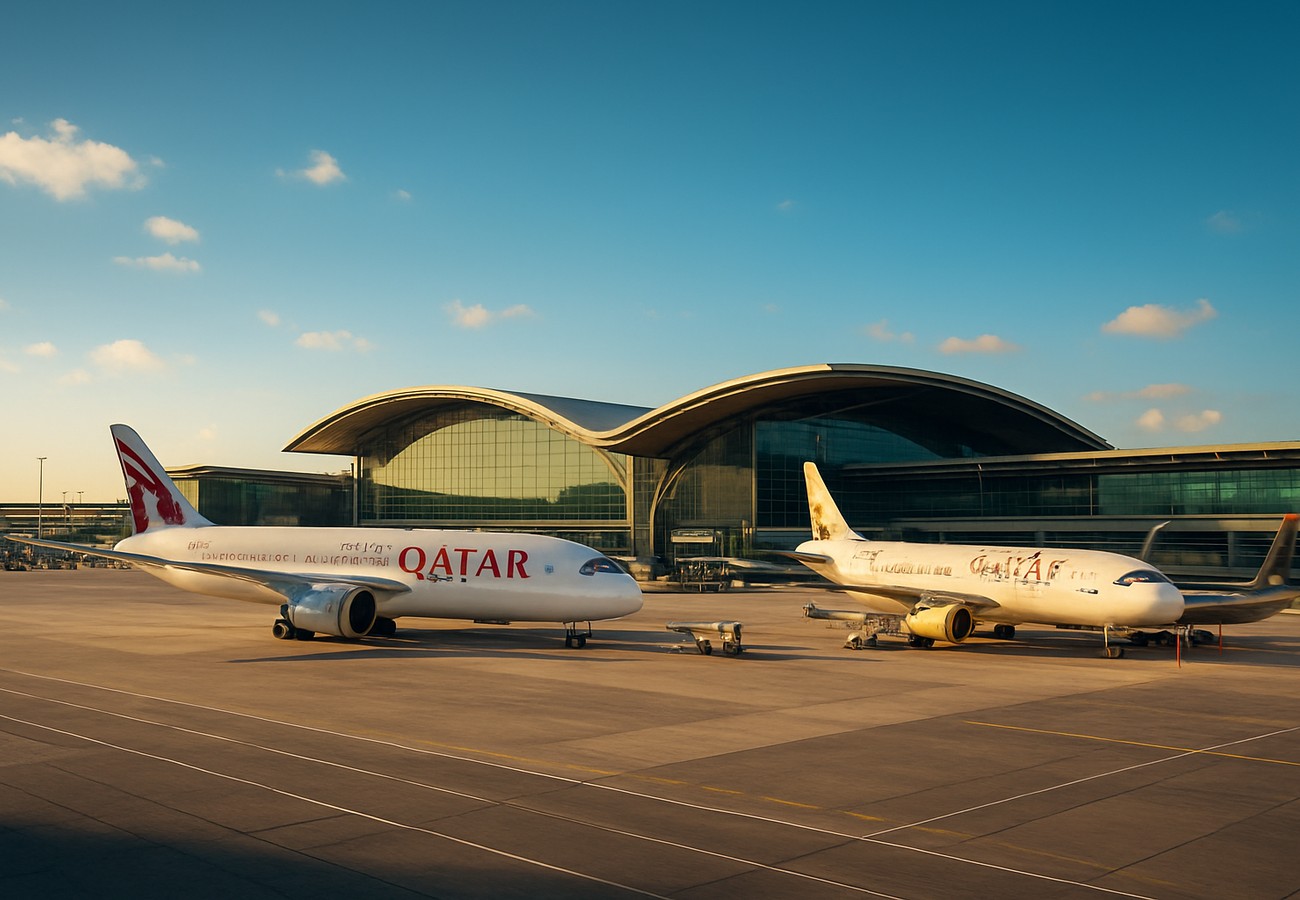
Image generated by AI
A coordinated wave of flight cancellations has struck Hamad International Airport in Doha, with Qatar Airways, Gulf Air, and Royal Jordanian simultaneously grounding eight critical services. The unprecedented disruption has left thousands of passengers stranded and forced major route suspensions across three continents, including high-demand connections to London, Singapore, and Bali.
The cancellations represent a significant blow to Middle Eastern aviation connectivity and underscore mounting operational pressures facing the region's flagship carriers. According to real-time flight tracking data, the affected services span both premium long-haul and regional routes, with no immediate explanation provided by the airlines regarding the simultaneous groundings. Industry observers are scrutinizing whether the disruptions stem from mechanical issues, crew scheduling conflicts, or broader supply-chain complications affecting the Gulf aviation hub.
Qatar Airways, the region's dominant carrier and a Skytrax five-star airline, has suspended multiple intercontinental flights, including services to London Heathrow (LHR) and Singapore Changi (SIN)—two of its most profitable routes. Gulf Air, Bahrain's national carrier, has also cancelled regional and long-haul operations, while Royal Jordanian has pulled flights from its Doha hub. The timing of these simultaneous cancellations has triggered speculation about systemic issues at Hamad International Airport or coordinated responses to unforeseen operational constraints, according to aviation analysts tracking the situation through FlightAware and official airline channels.
The disruption arrives amid a broader period of volatility in global aviation, where fuel price fluctuations, geopolitical tensions, and labor disputes continue to strain airline profitability and operational reliability. Recent data from the International Air Transport Association (IATA) indicates that Middle Eastern carriers have faced mounting pressure to maintain schedules while managing elevated operating costs. The cancellation of eight flights—particularly on premium routes generating substantial revenue—signals potential deeper challenges within the region's aviation infrastructure or fleet management strategies.
Passengers booked on the cancelled services face significant rebooking delays, with many reporting difficulty reaching airline customer service teams. Qatar Airways and Gulf Air have activated rebooking protocols, though availability on alternative flights remains severely constrained due to high demand on competing carriers. Travelers heading to Southeast Asia and Europe are experiencing multi-day delays, with some passengers forced to accept alternative routing through competing hubs in Abu Dhabi (AUH), Dubai (DXB), or Istanbul (IST).
The incident underscores the fragility of aviation networks dependent on single regional hubs. Hamad International Airport, which has positioned itself as a critical gateway for Asia-Pacific and European connectivity, now faces reputational pressure as operational reliability concerns mount. Industry experts warn that cascading cancellations can erode passenger confidence in Middle Eastern carriers and redirect traffic toward competing airlines operating through alternative hubs.
What This Means for Travelers
Passengers with bookings on affected routes should immediately contact their airline or travel agent to explore rebooking options. Airlines are typically obligated to offer alternative flights or full refunds under EU261 regulations (for European departures) and similar consumer protection frameworks. Those traveling to London, Singapore, and Bali should anticipate extended journey times and potential overnight layovers. Travel insurance covering flight cancellations becomes invaluable in such scenarios—verify your policy covers airline-initiated disruptions before departure.
Expert Insight: "Simultaneous cancellations across competing carriers suggest systemic airport-level constraints rather than isolated airline issues, potentially signaling infrastructure or air traffic control bottlenecks requiring immediate resolution," according to aviation operations specialists monitoring the situation.
The cancellations at Hamad International Airport represent a critical test of Middle Eastern aviation's resilience during an era of heightened operational complexity. As global travel demand rebounds and fuel price volatility persists, carriers operating through regional hubs must demonstrate enhanced operational redundancy and transparency to maintain passenger trust and competitive positioning against carriers operating through more diversified networks.
Related Travel Guides
Disclaimer
This article is for informational and educational purposes only. It does not constitute legal, financial, or professional advice. While we strive to provide accurate and up-to-date information, travel policies, regulations, and conditions change rapidly. Always verify information with official sources before making travel decisions. Nomad Lawyer makes no representations about the accuracy, reliability, completeness, or suitability of the information provided. Readers should consult qualified professionals for advice specific to their circumstances. The views expressed in this article are those of the author and do not necessarily reflect the views of Nomad Lawyer.
Kunal K Choudhary
Co-Founder & Contributor
A passionate traveller and tech enthusiast. Kunal contributes to the vision and growth of Nomad Lawyer, bringing fresh perspectives and driving the community forward.
Learn more about our team →