Beyond the Grand Prix: How Qatar's 560-Event Calendar Is Transforming Gulf Cultural Tourism in 2026

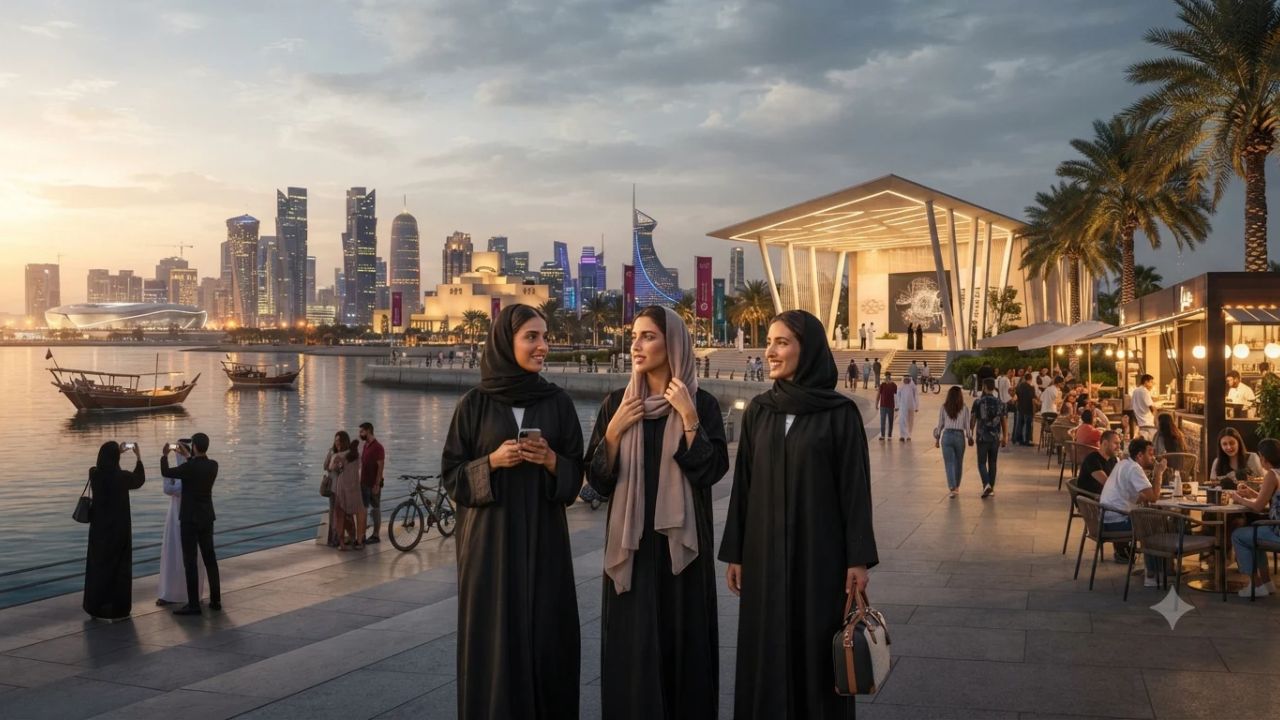
While many international travelers still perceive Doha as a luxury transit hub, Qatar has officially unveiled a massive 2026 and 2027 calendar featuring more than 560 distinct events across sports, international art, culinary showcases, and outdoor desert expeditions. Driven by a surge in digital engagement that saw the official Visit Qatar platform expand from 105,000 active users in 2025 to over 230,000 in 2026, the Gulf nation is positioning itself as a year-round experiential destination where travelers can pair major global competitions with ancient maritime heritage and tranquil inland sea safaris.
The ambitious schedule integrates world-stage sports—such as the Formula 1 Qatar Grand Prix at the Lusail International Circuit, the FIFA U-17 World Cup, and elite international tennis and padel championships—with groundbreaking cultural milestones including the inaugural editions of Art Basel Qatar. Supported by a unified digital ticketing platform launching in the fourth quarter of 2026, visitors can effortlessly transition from cutting-edge waterfront stadiums to centuries-old coastal forts in a single afternoon.
Inside the 560-Event Blueprint: Sports, Art, and Regional Dispersion
Qatar’s strategy emphasizes geographic dispersion, intentionally guiding international arrivals beyond the glittering skyscraper skyline of West Bay. By distributing marquee programming into coastal fishing enclaves and geological desert reserves, the country encourages travelers to experience authentic Qatari traditions alongside high-octane entertainment.
| Strategic Pillar | Core Events & Initiatives | Geographic Focus & Venues |
|---|---|---|
| Global Sports | Formula 1 Grand Prix, FIFA U-17 World Cup, Pro Tennis & Padel | Lusail International Circuit, Khalifa International Stadium |
| Visual Arts & Culture | Art Basel Qatar, international museum retrospectives | National Museum of Qatar, Museum of Islamic Art, Katara |
| Gastronomy | Qatar International Food Festival (debuting in Lusail) | Lusail City waterfront promenade |
| Heritage & Maritime | Traditional dhow regattas, pearl diving showcases | Al Shamal coastal district & Al Zubarah |
| Desert & Nature | Doha Outdoors winter expeditions, limestone trail hikes | Ras Brouq peninsula & Khor Al Adaid Inland Sea |
| Digital Services | Unified Ticketing (launching Q4 2026), iOS event widget | Integrated Visit Qatar app (>230,000 active users) |
The move of the flagship Qatar International Food Festival to Lusail City marks a major milestone for the purpose-built metropolis, connecting open-air street food stalls with waterfront tramways and futuristic architecture.
What Sets Qatar Apart: High Tech Meets Bedouin Roots
Qatar's unique appeal lies in its compact geography and deep cultural preservation. Within an hour's drive from central Doha, travelers transition from world-class architecture designed by I.M. Pei and Jean Nouvel to pristine coastal wilderness.
In the northern municipality of Al Shamal, the historic seaport showcases Qatar’s seafaring and pearl-diving legacy. Nearby stands the UNESCO-inscribed fort of Al Zubarah, cataloged by UNESCO World Heritage as one of the best-preserved 18th-century Gulf merchant towns.
To the west, the Ras Brouq peninsula features otherworldly white limestone cliffs and mushroom-shaped rock formations rising above desert sands, framed by Richard Serra's monumental public art installation East-West/West-East. In the cooler winter months between November and March, the "Doha Outdoors" initiative brings open-air concerts, falconry demonstrations, and desert glamping camps to these remote desert plains.
Travelers can research upcoming exhibitions and heritage collections directly through Qatar Museums.
Visitor Insider Tips: Timing, Local Feasts, and Transport Hacks
Maximizing your time during Qatar's mega-events season requires utilizing advanced public transit and respecting local cultural etiquette:
- Rely on the Gold-Standard Doha Metro: Avoid peak event traffic by riding the state-of-the-art automated network operated by Qatar Rail. The Red Line connects Hamad International Airport directly to Souq Waqif, Katara Cultural Village, and Lusail Stadium in under 35 minutes for just 2 Qatari Riyals ($0.55 USD) per ride.
- Time Your Visit for the Winter Window: Plan your trip between November and late March, when daytime temperatures settle into a pleasant 20°C to 26°C (68°F to 79°F), offering perfect conditions for open-air cafe dining, corniche strolls, and desert dune bashing.
- Feast on Traditional Qatari Machboos in Souq Waqif: Skip Western chain restaurants and wander into the cobblestone alleys of Souq Waqif. Order fragrant machboos (slow-cooked lamb or sea bass served over spiced basmati rice infused with dried black lime and saffron), followed by warm cardamom-scented karak tea and honey-drizzled luqaimat dumplings.
- Utilize the Visit Qatar Digital Widget: Download the updated Visit Qatar app to access the new iOS home screen widget, which delivers real-time event notifications, live transit updates, and instant ticketing links without opening full browser tabs.
- Respect Cultural Dress Codes: While international resorts and hotel beaches accommodate western swimwear, modest dress is expected in public spaces like traditional souqs, government buildings, and shopping malls. Cover shoulders and knees as a sign of mutual cultural respect.
Cultural and Environmental Context: Sustainable Mega-Events
Hosting over 560 events across a two-year cycle requires a rigorous environmental strategy. Qatar has incorporated environmental sustainability into its long-term Vision 2030, designing event venues with energy-efficient cooling technologies, extensive solar power grids, and direct access to zero-emission electric bus and metro networks.
In sensitive desert and coastal zones like Ras Brouq and the Mangroves of Al Thakira, environmental protection agencies enforce strict zoning rules to protect endangered Arabian oryx herds and migrating flamingos from off-road vehicle encroachment.
Furthermore, community-centered cultural events ensure that local artisans, traditional weavers (Sadu craftswomen), and independent culinary entrepreneurs receive dedicated stall space at festivals in Lusail and Souq Waqif. This approach guarantees that global tourism revenue directly supports indigenous preservation efforts and empowers local families.
FAQ: Visiting Qatar in 2026
How many events are scheduled across Qatar in 2026 and 2027?
Qatar has announced more than 560 events spanning sports, arts, food, and outdoor entertainment across Doha, Lusail, Al Shamal, and Brouq.
What is the best way to purchase tickets for major events in Qatar?
Visitors can use the Visit Qatar mobile app and the unified digital ticketing platform launching in Q4 2026 to discover and secure event passes.
Do international tourists need a visa to visit Qatar?
Nationals from over 100 countries—including the US, UK, Canada, Australia, and EU states—enjoy visa-free entry upon arrival at Hamad International Airport.
Is it easy to get around Qatar using public transportation?
Yes, the modern Doha Metro and Lusail Tram network offer fast, fully air-conditioned, and affordable transit between the airport, hotels, and major sports stadiums.
[From the roar of engines on the Lusail track to the quiet rustle of dhow sails in Al Shamal, Qatar turns every visit into a captivating journey through time.]
Related Travel Guides
This article is for informational purposes. Flight routes, passenger regulations, visa rules, and transit advisories are subject to change by airlines and aviation authorities. Readers are advised to verify schedules and travel documentation with relevant carriers and border agencies before departure.
Related Stories

Ayodhya Deepotsav 2026 Logistics Guide: Attending the 30 Lakh Lamp Festival in India

WTM London 2026: AI Booking Shifts and Global Tourism Growth Forecasts for 1.57 Billion Arrivals