
Punta Molentis Sardinia Enforces Age-Based Umbrella Ban and Entry Fees to Combat Overtourism in 2026
Sardinia's Punta Molentis beach imposes strict umbrella restrictions, entry fees, and capacity limits to protect its fragile coastline from overtourism and environmental damage.

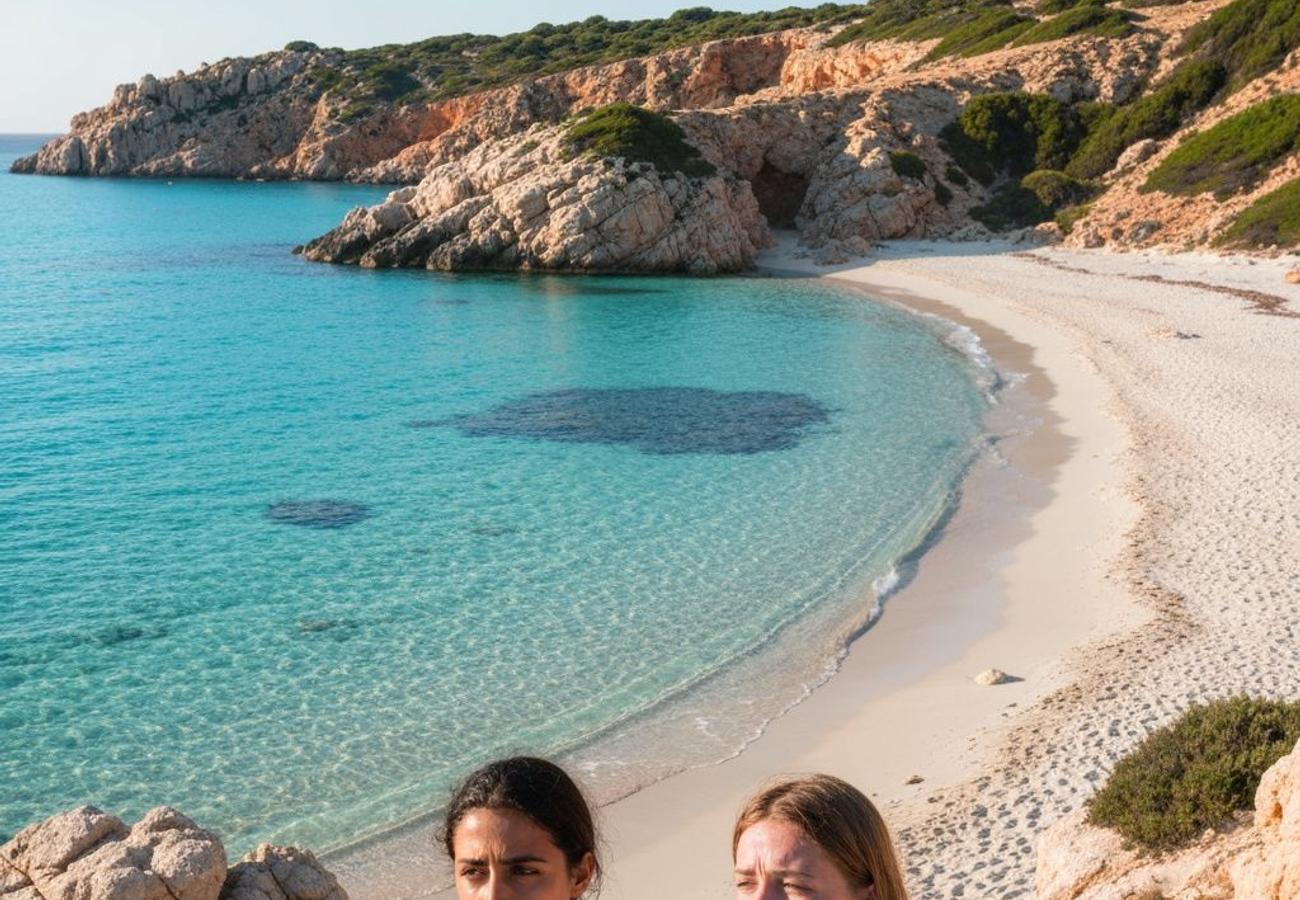
Image generated by AI
Sardinia's Punta Molentis Draws Battle Line Against Overtourism With Controversial New Beach Rules
Punta Molentis, one of Sardinia's most coveted summer destinations, has become ground zero for a bold experiment in sustainable tourism. Located in the municipality of Villasimius on the island's southeastern coast, the beach has rolled out a sweeping set of restrictions that read like something from a dystopian travel guide—yet authorities insist they're essential for survival.
The headline grabber? An age-based umbrella ban that allows only families with children under ten and visitors aged sixty-five and above to use shade structures. Adult visitors aged ten to sixty-five? You'll be facing the Sardinian sun unprotected.
Reddit: "Can't believe I'm paying €10 to not bring an umbrella to a beach I already own through taxes." — r/travel
The Umbrella Rule That Sparked a Tourism Firestorm
The restrictions are as specific as they are unusual. Visitors between ages ten and sixty-five will find umbrella use prohibited entirely. Single umbrellas are permitted only for families with children under ten or beachgoers aged sixty-five and older. Tents, gazebos, and large shade structures? Banned outright.
Officials frame this as targeted sun protection for vulnerable groups. Critics see it as enforcement chaos waiting to happen.
The logic, authorities argue, reduces equipment clutter on the sand, preserves open space, and minimizes damage to sensitive dune systems. During peak summer, Punta Molentis can attract thousands of daily visitors—each one potentially compacting sand, disturbing vegetation, or trampling natural habitats.
But enforcement remains questionable. How do beach staff verify ages during crowded afternoon hours? How do they manage travelers who simply ignore the rules?
Entry Fees and Capacity Caps: Welcome to Reservation-Based Beaches
The umbrella restrictions are only half the story. Punta Molentis now charges a €10-per-person entry fee—a move increasingly common across Mediterranean destinations grappling with overtourism pressures.
Daily capacity limits are the other lever. The beach operates under fixed visitor caps during peak periods, meaning advance booking may become mandatory. When the beach hits its threshold, access closes.
This marks a seismic shift in how Europe's most fragile coastal zones operate. Instead of first-come-first-served beach access, destinations are moving toward managed, ticketed experiences—similar to national parks or museum entries.
The Punta Molentis model signals what Mediterranean travel may look like by 2030: regulated, prebooked, and increasingly expensive.
Why Sardinia Is Tightening the Screws on Beach Tourism
Punta Molentis sits within a protected coastal area renowned for pristine waters, pale sand formations, and delicate marine ecosystems. Years of rising visitor pressure have left visible marks. Large crowds compact sand, disturb nesting areas, and strain waste management systems designed for far fewer people.
The 2025 wildfire that ravaged surrounding landscape accelerated the timeline. Extreme weather events, combined with unprecedented summer crowds, created an environmental perfect storm.
Local authorities now face a stark choice: impose strict controls or watch the beach degrade into an overcrowded, degraded shadow of itself. They've chosen restriction.
This isn't unique to Punta Molentis. Across Sardinia—and increasingly throughout Mediterranean Europe—beaches are implementing visitor caps, reservation systems, and equipment restrictions. Portugal's Algarve beaches, Greek island destinations, and Croatian Adriatic sites are all piloting similar measures.
The Enforcement Question Nobody's Answering
Here's where the plan fractures. During Sardinia's brutal July and August, how do beach administrators check visitor ages for umbrella eligibility? How do they prevent visitors from simply ignoring rules when crowds are thickest?
Staffing levels at Punta Molentis remain unclear. If authorities deploy minimal personnel, compliance will likely be spotty. Visitors may push umbrellas into sand anyway, betting on lax enforcement during peak hours.
Some travelers worry about comfort. Sardinian summer temperatures regularly exceed 35°C (95°F). Removing umbrella access for adults may discourage longer beach stays, inadvertently helping the overtourism goal while punishing visitors who actually book in advance and plan responsibly.
What This Means for Travelers Planning a 2026 Sardinia Trip
If you're considering Punta Molentis this summer, preparation is non-negotiable. You'll need to:
- Book your visit in advance (capacity-controlled access)
- Budget €10 per person for entry
- Leave shade equipment at your accommodation if you're between ages ten and sixty-five
- Bring heavy-duty sunscreen, sunglasses, and plan shorter beach hours
Natural shade may be scarce. The rocky terrain near the beach offers some protection, but don't expect the leisurely all-day beach experience that made Sardinia famous.
Consider alternative Sardinian beaches with less restrictive policies. Destinations like Costa Smeralda or Stintino may offer more flexibility—though their popularity is rising equally fast.
Sardinia's Broader Beach Conservation Crusade
Punta Molentis isn't an isolated experiment. Across Sardinia, restrictions are multiplying:
- Sand and shell removal is now prohibited on many beaches
- Several coastal areas have implemented visitor reservation platforms
- Environmental conservation charges now apply to premium beach destinations
- Some areas ban removal of natural materials for souvenirs
The underlying tension is unavoidable: Sardinia's beaches drive the economy, but that same economic engine threatens to destroy the natural assets that attract visitors in the first place.
Local authorities are betting that managed, restricted tourism—with higher prices and stricter rules—can preserve the destination while maintaining income. Whether travelers will accept these trade-offs remains unknown.
The Future of Mediterranean Beach Tourism: Controlled or Abandoned?
Punta Molentis represents a wider shift reshaping Mediterranean travel. The old model—unlimited access, minimal regulation, maximum volume—is being replaced by a new paradigm: limited access, prebooked slots, environmental fees, and equipment restrictions.
For destinations, this approach offers hope of ecological recovery and sustainable operations. For travelers, it means less spontaneity, more planning, and rising costs.
The message from Sardinia is unmistakable: Mediterranean beaches cannot absorb unlimited visitors. The age of casual, unmanaged beach tourism is closing. The question now is whether visitors will adapt or seek alternatives.
Sardinia's shores are drawing a line in the sand—literally and legally.
Related Travel Guides
Disclaimer
This article is for informational and educational purposes only. It does not constitute legal, financial, or professional advice. While we strive to provide accurate and up-to-date information, travel policies, regulations, and conditions change rapidly. Always verify information with official sources before making travel decisions. Nomad Lawyer makes no representations about the accuracy, reliability, completeness, or suitability of the information provided. Readers should consult qualified professionals for advice specific to their circumstances. The views expressed in this article are those of the author and do not necessarily reflect the views of Nomad Lawyer.
Preeti Gunjan
Contributor & Community Manager
A passionate traveller and community builder. Preeti helps grow the Nomad Lawyer community, fostering engagement and bringing the reader experience to life.
Learn more about our team →