
Allegiant Air Trims Nearly 30 Routes as Ultra-Low-Cost Carrier Recalibrates Summer 2026 Network
Breaking airline news and aviation industry updates for 2026.

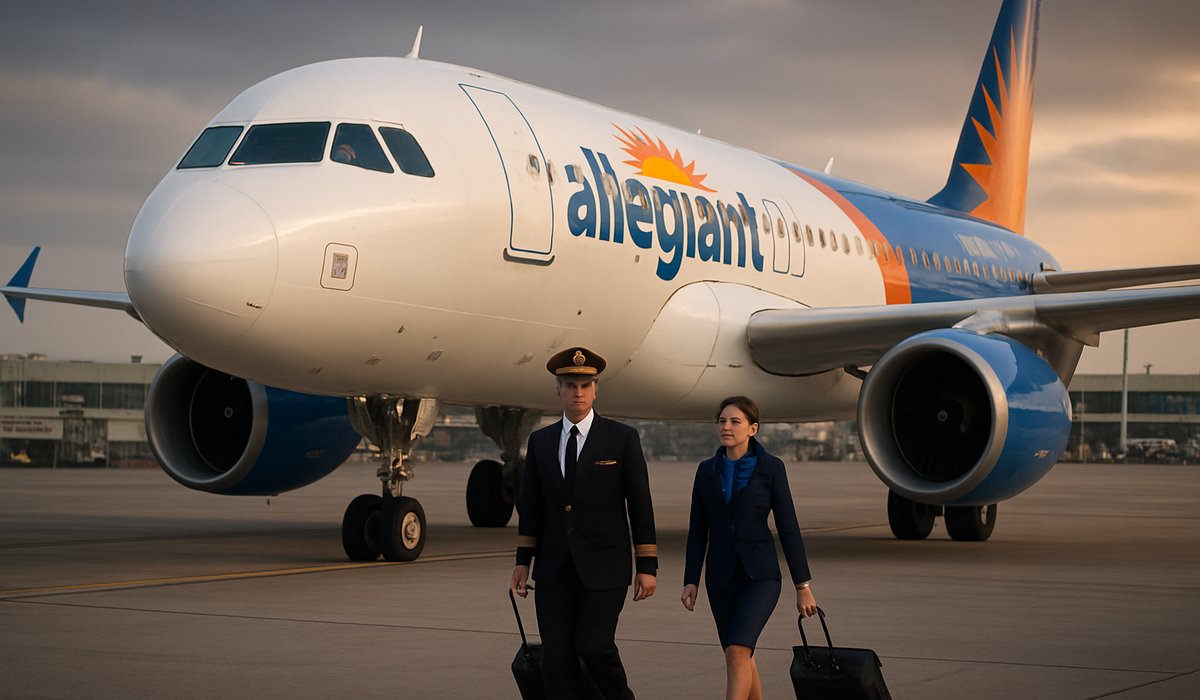
Image generated by AI
Allegiant Air Trims Nearly 30 Routes as Ultra-Low-Cost Carrier Recalibrates Summer 2026 Network
Budget airline pauses service in three key markets amid shifting travel demand and capacity management challenges
Major Network Reductions Announced
Allegiant Air is pulling back significantly from its Northern Summer 2026 schedule, eliminating or reducing operations on approximately 30 routes as the ultra-low-cost carrier adjusts its flight capacity to align with seasonal passenger demand patterns. The carrier has announced temporary exits from three major metropolitan areas—Kansas City, Richmond, and Rochester, New York—where all scheduled service will be suspended for a defined period before resuming operations later in the year.
The network modifications, confirmed through official airline filings tracked by AeroRoutes, represent a strategic recalibration for Allegiant as the aviation industry continues navigating complex operational dynamics including volatile jet fuel prices, labor cost pressures, and unpredictable leisure travel patterns.
Strategic Capacity Adjustments in Competitive Market
The decision underscores growing challenges facing ultra-low-cost carriers (ULCCs) as they balance aggressive growth ambitions with operational realities. Allegiant, which built its business model on point-to-point leisure routes with minimal baggage allowances and premium airline fees, faces increasing pressure to maintain profitability amid rising operational costs.
Industry analysts suggest the route reductions reflect broader market consolidation among budget carriers. With jet fuel costs remaining elevated compared to pre-pandemic levels, and wage negotiations intensifying across the aviation sector, airlines are becoming more selective about which markets justify year-round service versus seasonal operations.
Three-City Pullback Signals Market-Specific Challenges
The temporary withdrawals from Kansas City, Richmond, and Rochester indicate Allegiant's cautious approach to Northern markets during off-peak seasons. These secondary cities have historically served as important feeder markets for leisure travel, but seasonal demand fluctuations may no longer justify maintaining consistent service levels.
Rather than permanent route exits—which would damage market presence and brand loyalty—Allegiant's strategy involves tactical pauses, allowing the carrier to redeploy aircraft to higher-yield markets while preserving infrastructure to re-enter these cities when demand strengthens. This approach mirrors strategies employed by other ULCCs navigating similar market conditions.
Broader Industry Implications
The route restructuring occurs as the aviation industry confronts persistent headwinds: fuel price volatility, staffing shortages, and evolving post-pandemic travel patterns. Airlines increasingly employ dynamic capacity management, adjusting seasonal schedules with greater frequency than historical norms.
For passengers in affected markets, the changes mean reduced flight options and potentially higher ticket prices as competition diminishes during affected periods. For Allegiant, the consolidation potentially improves load factors and revenue per flight while reducing exposure to unprofitable routes.
The carrier's network adjustments will likely intensify competitive dynamics in unaffected markets, where Allegiant maintains concentrated service, while signaling cautious market conditions for aviation investors monitoring industry health and profitability metrics.
Frequently Asked Questions
Why are airlines like Allegiant reducing routes amid rising travel demand? While overall travel has rebounded, demand distribution remains uneven across markets. Secondary cities like Rochester and Richmond show seasonal patterns that don't justify year-round service when jet fuel costs and labor expenses remain elevated.
How do route reductions impact airline baggage fees and ancillary revenue? Fewer flights create supply constraints, allowing airlines to maintain higher fares and fees. However, reduced market competition may temporarily suppress ancillary revenue in affected cities as passengers choose alternative carriers.
What's the difference between temporary suspensions and permanent route exits? Temporary suspensions preserve market presence and allow rapid re-entry when conditions improve, while permanent exits signal abandonment. Allegiant's approach suggests confidence in future demand recovery without committing year-round resources.
Are other ultra-low-cost carriers making similar network adjustments? Yes. Most ULCCs employ seasonal capacity management, though Allegiant's scale of adjustment indicates particularly cautious market positioning heading into 2026.
Which cities are safest for consistent Allegiant service? High-volume leisure destinations with strong year-round demand—primarily in Florida, Southwest, and West Coast markets—remain Allegiant's core focus, while Northern secondary markets face seasonal uncertainty.
Related Travel Guides
External Resources
Disclaimer
This article is for informational and educational purposes only. It does not constitute legal, financial, or professional advice. While we strive to provide accurate and up-to-date information, travel policies, regulations, and conditions change rapidly. Always verify information with official sources before making travel decisions. Nomad Lawyer makes no representations about the accuracy, reliability, completeness, or suitability of the information provided. Readers should consult qualified professionals for advice specific to their circumstances. The views expressed in this article are those of the author and do not necessarily reflect the views of Nomad Lawyer.
Kunal K Choudhary
Co-Founder & Contributor
A passionate traveller and tech enthusiast. Kunal contributes to the vision and growth of Nomad Lawyer, bringing fresh perspectives and driving the community forward.
Learn more about our team →