
Puerto Rico Tourism Slump 2026: US Mainland Air Traffic Drops by 200,165 Passengers
Domestic passenger traffic through San Juan’s Luis Muñoz Marín International Airport has declined for six consecutive months in 2026, signaling a significant slump in US mainland tourism.
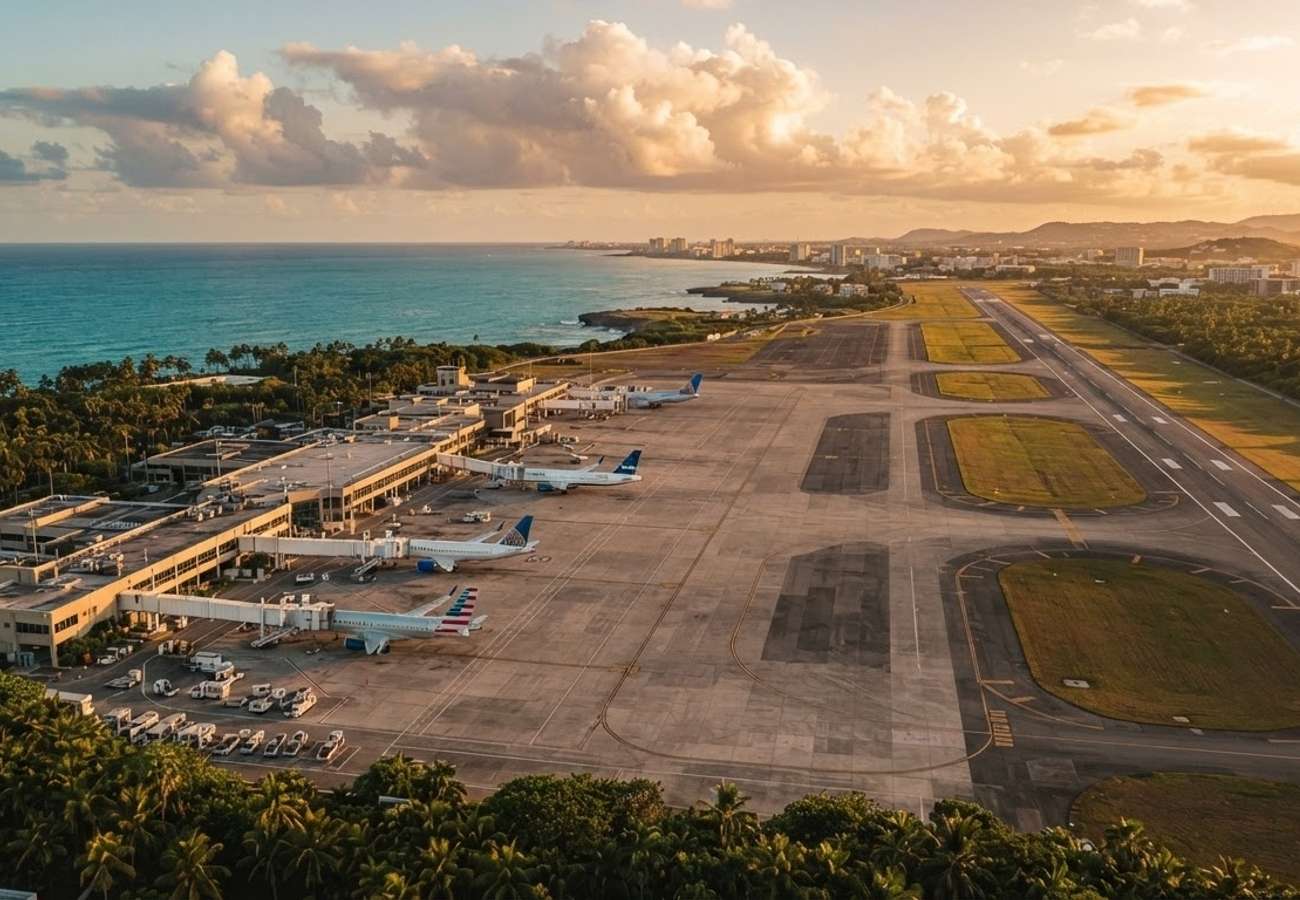
Image generated by AI
Domestic passenger traffic through San Juan’s Luis Muñoz Marín International Airport has fallen for six consecutive months in 2026. The island has recorded a cumulative loss of 200,165 passenger movements compared to 2025, signaling a cooling of US mainland demand.
Analysis of Domestic Aviation Decline
Puerto Rico is currently navigating a sustained downturn in tourist arrivals from the US mainland. Data for the first two quarters of 2026 indicates that domestic air passenger traffic has consistently remained below 2025 benchmarks.
Our analysis indicates that this slump is not the result of a single event but a combination of systemic pressures. These include heightened sensitivity to airfare and hotel pricing, shifts in airline capacity, and aggressive competition from alternative Caribbean hubs and Mexican resorts.
The contraction began with a mild dip in January and accelerated toward the end of the second quarter. The following data tracks the specific decline in passenger movements at Luis Muñoz Marín International Airport:
| Month | 2026 Passengers | 2025 Passengers | % Change | Passenger Difference |
|---|---|---|---|---|
| January | 1,053,646 | 1,081,636 | -2.6% | -27,990 |
| February | 930,447 | 956,531 | -2.7% | -26,084 |
| March | 1,157,220 | 1,189,079 | -2.7% | -31,859 |
| April | 1,016,764 | 1,033,889 | -1.7% | -17,125 |
| May | 969,756 | 1,014,574 | -4.4% | -44,818 |
| June | 1,023,150 | 1,075,439 | -4.9% | -52,289 |
| YTD Total | 6,150,983 | 6,351,148 | -3.2% | -200,165 |
The most critical trend is the acceleration of the decline. While April showed a modest 1.7% contraction, June recorded the sharpest fall of the half-year at 4.9%, coinciding with the start of the peak summer travel window.
Passenger Rights & Advisory
For travelers currently booking flights to Puerto Rico or facing disruptions due to the capacity changes mentioned in these reports, it is essential to understand the regulatory framework governing US domestic travel.
Rebooking and Cancellations Our analysis of current Department of Transportation (DOT) guidelines suggests that if an airline cancels a flight or makes a significant schedule change due to the capacity adjustments seen in the Puerto Rico market, passengers are entitled to a full refund to the original form of payment, regardless of the ticket type.
Compensation Expectations Unlike the EU261/2004 framework used in Europe, US domestic flights do not provide statutory cash compensation for delays or cancellations. However, for the affected passenger, this means you should negotiate for "duty of care" provisions, such as hotel vouchers or meal credits, if a capacity-related cancellation leaves you stranded overnight.
Booking Strategy Given the volatility in airfare costs contributing to this slump, we advise passengers to utilize fare-tracking tools and monitor "shoulder season" pricing. The data shows May and June are particularly sensitive to pricing fluctuations.
The reliance on air connectivity makes Puerto Rico uniquely vulnerable to aviation trends. Unlike other Caribbean destinations that may benefit from a diverse mix of cruise and regional land travel, San Juan's economy is tethered to the performance of the US mainland aviation market.
The 3.2% year-to-date decline is a warning sign for the island's hospitality sector. If the contraction seen in June (4.9%) persists into the second half of 2026, there will be increased pressure on car-rental agencies, resorts, and tour operators. The current trend suggests that US leisure travelers are increasingly opting for Florida or Mexico, likely driven by more competitive holiday packages and lower total travel costs.
The critical question for the remainder of 2026 is whether Puerto Rico can incentivize a return to growth or if this represents a permanent shift in US mainland travel preferences.
Related Travel Guides
Disclaimer
This article is for informational and educational purposes only. It does not constitute legal, financial, or professional advice. While we strive to provide accurate and up-to-date information, travel policies, regulations, and conditions change rapidly. Always verify information with official sources before making travel decisions. Nomad Lawyer makes no representations about the accuracy, reliability, completeness, or suitability of the information provided. Readers should consult qualified professionals for advice specific to their circumstances. The views expressed in this article are those of the author and do not necessarily reflect the views of Nomad Lawyer.