
Essential Bali Shopping Guide 2026: Best Souvenirs, Regional Hubs, and Customs Compliance for International Travelers
A comprehensive analyst report on the best items to buy in Bali, including regional shopping hubs, prohibited items, and essential customs compliance for international travelers in 2026.

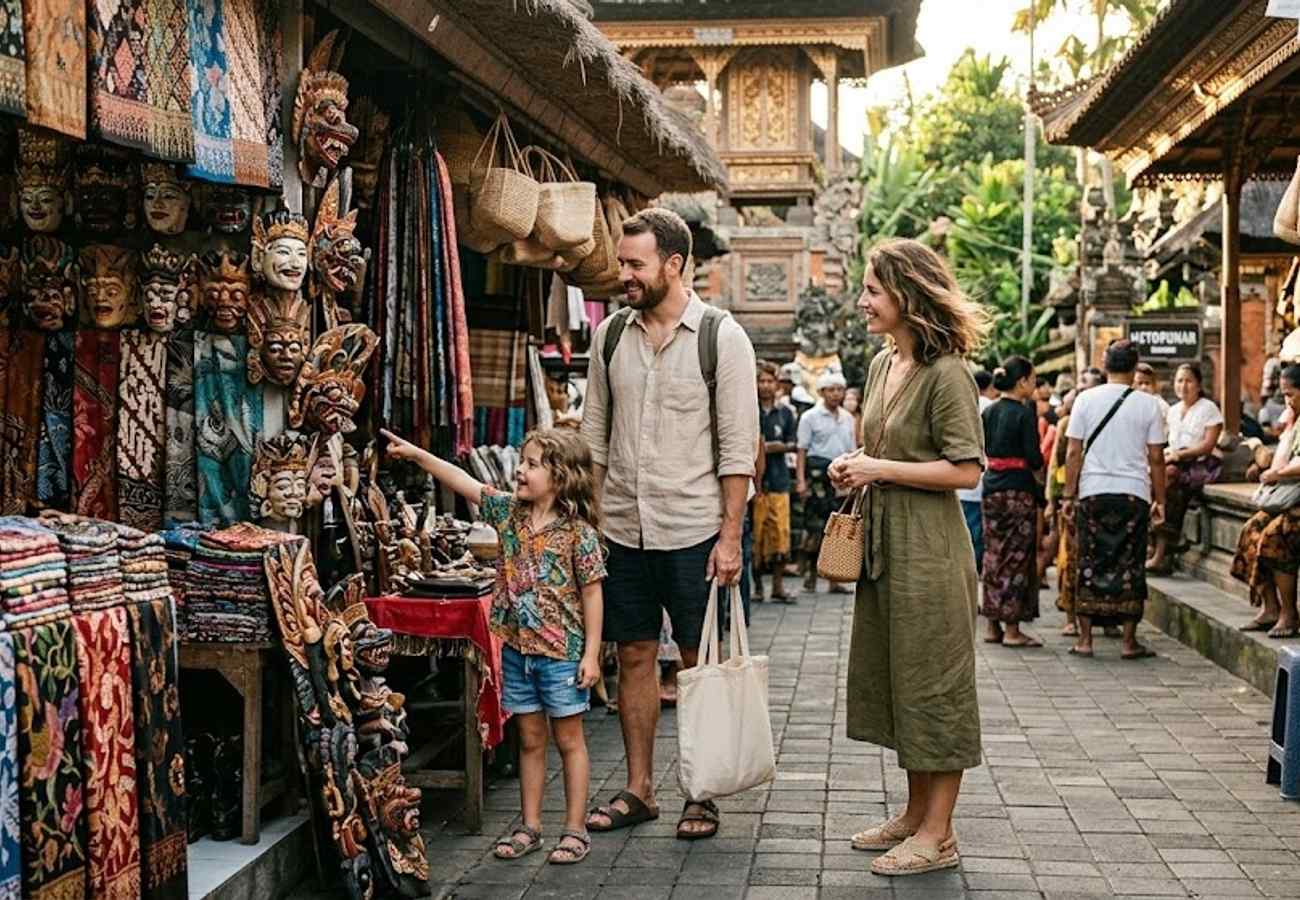
Image generated by AI
Headline Options:
- Factual/News: Comprehensive 2026 Guide to Bali’s Top Souvenirs, Regional Shopping Hubs, and International Customs Compliance for Travelers
- Curiosity-Gap: Avoid Customs Seizures: The Definitive List of What to Buy (and Avoid) in Bali for 2026
- Problem-Solving: How to Shop in Bali: A Guide to Finding Authentic Crafts and Navigating International Import Laws
Avoid costly customs disputes and luggage mishaps. Our analysis of the 2026 Balinese market highlights the essential balance between acquiring authentic craftsmanship and adhering to international aviation and import regulations.
The Bali Procurement Landscape
Bali's retail economy is deeply rooted in handmade identity, focusing on natural textures and personal craftsmanship. For the international traveler, the market is segmented into high-energy traditional bazaars, specialized craft villages, and curated boutique districts.
To maximize value and ensure the longevity of purchases, travelers should prioritize items that reflect local skill—specifically looking for high-quality finishing, neat stitching, and functional utility.
Strategic Shopping Hubs by Category
Our analysis of regional specialization indicates that shopping efficiency depends on the desired product category.
| Region | Primary Specialization | Best For |
|---|---|---|
| Ubud | Textiles, Art, Home Décor | Culture-led acquisitions |
| Sukawati | General Souvenirs, Clothing | Market-style browsing |
| Seminyak | High-end Fashion, Interiors | Polished boutique shopping |
| Canggu | Beachwear, Casual Gifts | Contemporary lifestyle goods |
| Celuk | Silver Jewelry | Precision metalwork |
| Mas | Wood Carvings | Authentic handmade décor |
| Denpasar | Local Commodities | Everyday utility finds |
Recommended Procurement List
For a balanced inventory that survives international transit, we categorize the best Balinese acquisitions as follows:
- Textiles & Apparel: Batik shirts, scarves, dresses, and sarongs. These are highly recommended due to their light weight and suitability for warm climates.
- Artisanal Jewelry: Silver rings, earrings, and pendants, primarily sourced from the Celuk region.
- Home Accents: Woven bags, wooden trays, carved masks, and ceramic tableware.
- Wellness & Apothecary: Sealed handmade soaps, body oils, and incense.
- Gourmet Commodities: Locally sourced coffee, tea, and spices in factory-sealed packaging.
Passenger Rights & Customs Advisory (Information Gain)
Buying souvenirs is not merely a retail activity; it is a legal process involving international customs. Failure to comply with import laws can lead to fines or confiscation of goods.
For the affected passenger, this means:
- CITES Compliance: You must strictly avoid purchasing coral, shells, or any wildlife-linked products. These are often regulated under the Convention on International Trade in Endangered Species (CITES). Bringing these across international borders without permits can result in severe legal penalties.
- Agricultural Restrictions: When purchasing local coffee or spices, ensure they are in original, sealed commercial packaging. Loose organic materials may be flagged by biosecurity agents in your home country.
- Liquid Restrictions: Wellness products (oils, scrubs) must be packed in checked luggage. Any liquids in cabin baggage must adhere to the 100ml limit per container, as per IATA and national aviation security guidelines.
- Fragile Goods: Our analysis suggests wrapping ceramics and glassware within soft clothing layers to prevent pressure-related breakage during cargo handling.
Industry Analyst View: The "Value vs. Volume" Shift
We are observing a shift in travel behavior for 2026, where "slow shopping" is replacing bulk purchasing. Travelers are moving away from oversized décor—which often incurs excess baggage fees or requires complex shipping—toward "micro-souvenirs" that offer high cultural value with minimal physical footprint.
The most sustainable approach to Bali shopping is integrating procurement into the itinerary. Rather than a final-day rush, we recommend a distributed model: one market visit, one craft village stop, and one boutique experience.
Procurement Checklist for International Travelers
To avoid overbuying and ensure a smooth transit, apply the following criteria before every purchase:
- Weight Check: Will this item push the suitcase over the airline's weight limit?
- Durability: Is the stitching, polish, or clasp secure enough for a long-haul flight?
- Documentation: Do I have a receipt for this high-value item to prove its origin and value at customs?
- Packing Logic: Can this item be nested or wrapped in clothing to prevent damage?
Shop with purpose, not panic, to ensure your Bali acquisitions remain memories rather than liabilities.
Related Travel Guides
Disclaimer
This article is for informational and educational purposes only. It does not constitute legal, financial, or professional advice. While we strive to provide accurate and up-to-date information, travel policies, regulations, and conditions change rapidly. Always verify information with official sources before making travel decisions. Nomad Lawyer makes no representations about the accuracy, reliability, completeness, or suitability of the information provided. Readers should consult qualified professionals for advice specific to their circumstances. The views expressed in this article are those of the author and do not necessarily reflect the views of Nomad Lawyer.
Kunal K Choudhary
Co-Founder & Contributor
A passionate traveller and tech enthusiast. Kunal contributes to the vision and growth of Nomad Lawyer, bringing fresh perspectives and driving the community forward.
Learn more about our team →