
Puerto Rico and Global Tourism Hubs Battle Severe 2026 Water Shortages and Drought
Puerto Rico joins Greece, Spain, and France in a global water crisis as 2026 droughts force emergency tanker deliveries to hotels and strict rationing across major tourist destinations.

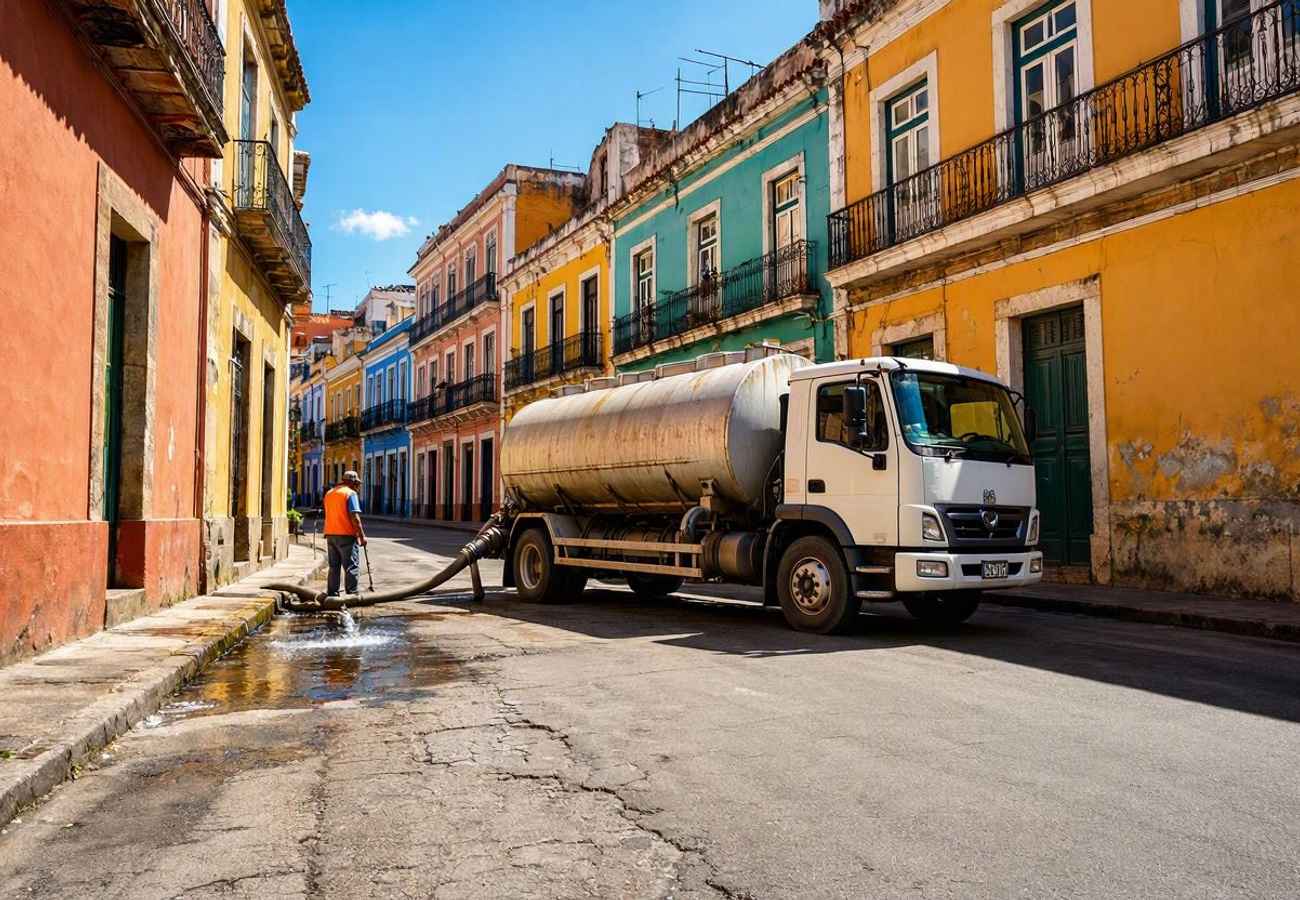
Image generated by AI
[San Juan, October 6, 2026] — Puerto Rico has entered a state of water emergency as historic drought conditions force the government to deploy emergency potable water tankers to maintain the island's tourism infrastructure. The crisis, characterized by record-breaking rainfall deficits, has pushed the Caribbean hub into a precarious position alongside other global destinations like Greece, Spain, and South Africa, which are currently struggling to sustain visitor volumes amidst failing reservoirs.
The situation intensified following a brutal summer where San Juan recorded only 0.54 inches of rain in July—a staggering drop from the typical 6.02-inch average—marking the driest July in the capital in over 120 years. This climatic shift has triggered a systemic failure in water delivery, forcing rotating service cuts and emergency interventions to prevent the total collapse of the hospitality sector in key districts.
The Catalyst of the Caribbean Crisis
The current emergency is the result of a compounding cycle of extreme heat and negligible precipitation. In southern and south-western Puerto Rico, rainfall plummeted to less than 20% of normal levels during critical recharge periods. Even the El Yunque rainforest, typically a bastion of humidity, saw deficits between 8 and 14 inches.
The scale of the drought is geographically widespread:
- Severe Drought: Initially affected 25% of the island.
- Moderate Drought: Impacted an additional 36% of the territory.
- Extreme Drought: Expanded across various regions throughout August.
The Carraízo Reservoir has become the primary indicator of the crisis. While the metropolitan network requires over 80 million gallons daily, available supply has cratered to 70 million gallons, leaving a persistent 10-million-gallon daily deficit.
Global Water Scarcity Data 2026
The following table details the current water stress levels and government responses across the most affected global tourism markets.
| Destination | Critical Metric | Primary Response | Financial Allocation |
|---|---|---|---|
| Puerto Rico | San Juan July rain: 0.54" (vs 6.02" avg) | Tanker deliveries to 33+ properties | $2M business assistance |
| Greece | High summer peak demand | 42 scarcity projects | €140.5M total |
| Cyprus | Persistent structural drought | Mobile desalination units | €200M+ |
| Balearic Islands | Reserves at 33%–38% | Wastewater reuse & efficiency | €39.8M (Tourism Tax) |
| South Africa | Knysna Dam at 19% capacity | National Water Action Plan | National Committee |
| France | July rain 67% below normal | Restrictions in 92 departments | Tanker/Bottled water |
| Jordan | Summer deficit: 15M cubic meters | Structural desalination/reuse | Regional cooperation |
Who Is Affected
The water crisis is not hitting all travelers equally; the impact varies by the type of accommodation and the specific region.
Puerto Rico Impact Zones:
- High-Risk Areas: San Juan, Carolina, Trujillo Alto, Canóvanas, Loíza, Gurabo, and Juncos.
- Tourist Districts: Old San Juan, Condado, and Isla Verde.
- Affected Users: Over 180,000 customer accounts facing 48-hour rotating interruptions.
International Impact:
- Greece: Island visitors in Paxos, Fournoi, Lipsi, Meganisi, Astypalaia, Folegandros, Psara, Poros, and Alonnisos.
- Spain: Travelers to Mallorca, Ibiza, and Menorca.
- France: Visitors to campsites and hotels in 67 departments currently under the highest crisis level.
What This Means for Travelers
For those booking trips to these regions, "water security" is now a critical travel variable. While luxury resorts often possess private cisterns and backup infrastructure, the ripple effects of drought are felt across the entire ecosystem.
Passenger and Guest Impact:
- Service Interruptions: Guests in boutique hotels, guesthouses, and eco-tourism lodges are more likely to experience water outages than those in large-scale resorts.
- Amenity Restrictions: In France and Spain, travelers should expect restrictions on swimming pools, vehicle washing, and professional landscaping.
- Increased Costs: Small-scale operators are facing higher overheads due to the need for private water hauling, which may be passed on to the consumer via "sustainability fees" or increased rates.
- Health Precautions: In areas relying on tanker deliveries, travelers should verify the potability of water provided by their accommodation.
Travelers are encouraged to check the official World Meteorological Organization (WMO) for climate alerts or the European Union Aviation Safety Agency (EASA) for any travel advisories related to infrastructure failures in European hubs.
The Path to Water Security
Governments are shifting from emergency reaction to structural adaptation. Cyprus is leading this transition by incentivizing hotels to install private desalination systems, with 14 permits already granted to major properties to reduce reliance on municipal grids.
In the Balearic Islands, the government is utilizing the Sustainable Tourism Tax to fund wastewater treatment and reuse, effectively taxing the visitor to protect the resource. Similarly, Jordan is pursuing a long-term strategy of regional cooperation and desalination to manage a structural deficit that reached 15 million cubic metres this summer.
FAQ: Global Water Shortages 2026
Are hotels in San Juan currently without water? Many large hotels remain operational via cisterns, but smaller properties in Old San Juan, Condado, and Isla Verde have required emergency tanker deliveries. Some areas face rotating 48-hour interruptions.
Will my hotel pool be closed in France or Spain? It is possible. In France, 67 departments are under the highest crisis level, where restrictions on pools and water-intensive services are common. Check with your property before arrival.
Is the tap water safe in drought-stricken areas? While municipal systems aim for safety, the reliance on tankers in some regions increases the risk of contamination. Use bottled water or verified filtration systems in high-risk zones.
What is the "Sustainable Tourism Tax" in Spain? It is a levy on visitors used to fund environmental projects. In 2026, €39.8 million was allocated to water supply and wastewater treatment in the Balearic Islands.
The battle for water is no longer a regional issue; it is the new frontline of global tourism viability.
Related Travel Guides
Disclaimer
This article is for informational and educational purposes only. It does not constitute legal, financial, or professional advice. While we strive to provide accurate and up-to-date information, travel policies, regulations, and conditions change rapidly. Always verify information with official sources before making travel decisions. Nomad Lawyer makes no representations about the accuracy, reliability, completeness, or suitability of the information provided. Readers should consult qualified professionals for advice specific to their circumstances. The views expressed in this article are those of the author and do not necessarily reflect the views of Nomad Lawyer.
Kunal K Choudhary
Co-Founder & Contributor
A passionate traveller and tech enthusiast. Kunal contributes to the vision and growth of Nomad Lawyer, bringing fresh perspectives and driving the community forward.
Learn more about our team →