
Morocco Leads Africa Tourism in 2026 With 14.1 Million Visitors and Expanded Aviation Links
Morocco has surpassed Egypt and South Africa as Africa's top destination, welcoming 14.1 million tourists in early 2026 through aggressive airport expansion and eco-hospitality.

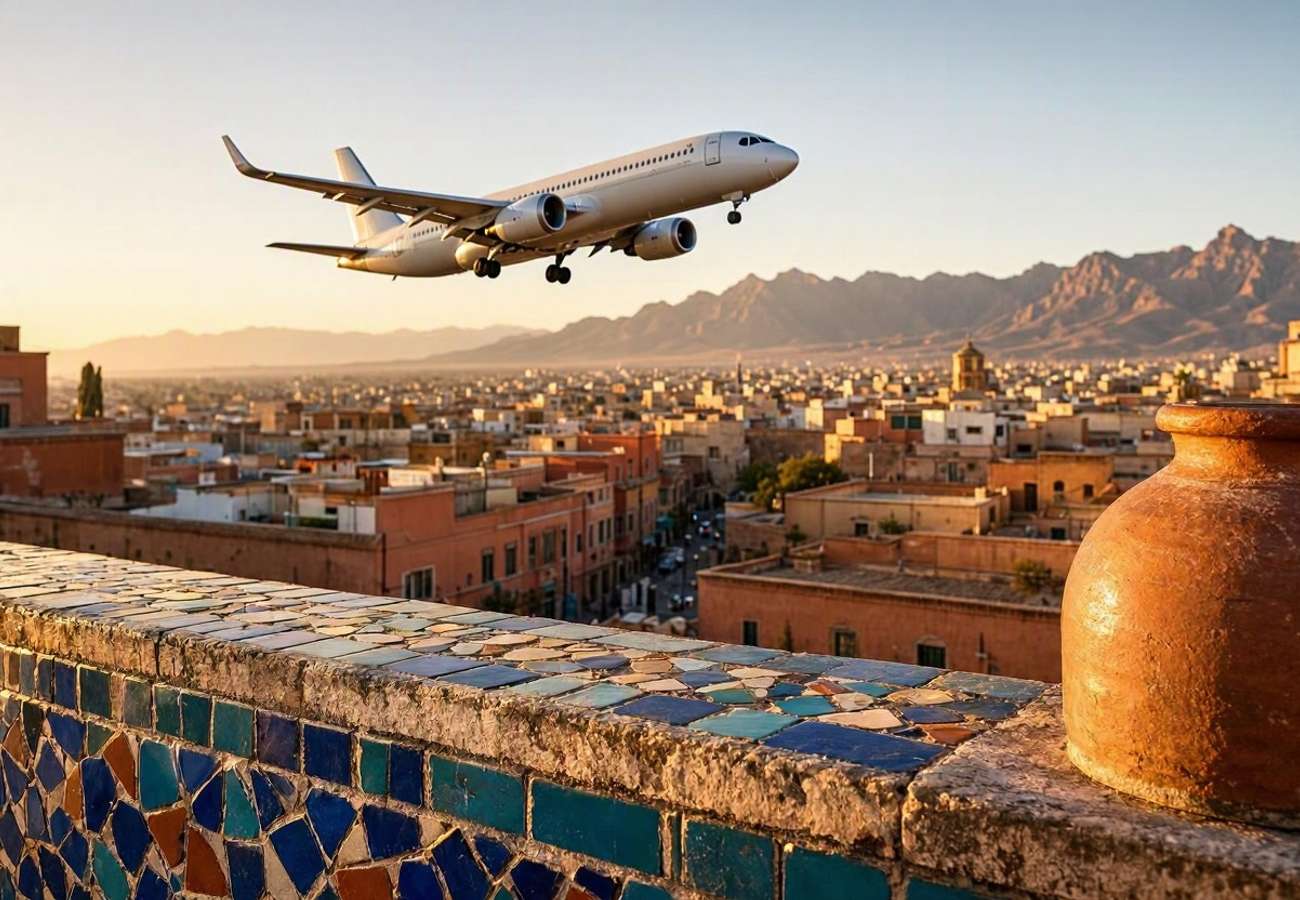
Image generated by AI
Morocco has officially claimed the title of Africa's primary tourism powerhouse, welcoming approximately 14.1 million international visitors between January and August 2026. This surge places the kingdom well ahead of other regional giants, fundamentally altering the travel hierarchy of the continent through a calculated mix of aviation expansion and sustainable infrastructure.
The Shift in African Tourism Leadership
The current data reveals a significant gap between Morocco and its closest competitors. While Egypt remains a formidable challenger with 12.7 million arrivals in the same eight-month window, and South Africa follows with 7.58 million, Morocco's growth is characterized by its ability to diversify. Rather than relying solely on the magnetism of Marrakech or Casablanca, the country is successfully pushing traffic toward secondary hubs.
Cities like Dakhla, Nador, Tetouan, Ouarzazate, Essaouira, and Fez are seeing a spike in arrivals. This decentralization is a deliberate move to prevent over-tourism in the "Red City" while distributing economic benefits to rural and coastal provinces. This strategy is supported by the Moroccan National Tourism Office, which has pivoted toward a model that emphasizes regional authenticity over mass-market hubs.
Aviation and Infrastructure: The Growth Engine
The record-breaking numbers are not accidental; they are the result of an aggressive aviation strategy. For the 2026 winter season, Ryanair is scaling its operations to 156 routes serving Morocco, which includes 17 brand-new connections. This network links Morocco to 14 different European nations, providing roughly 5.3 million available seats.
This connectivity makes Morocco a viable option for short-term weekend breaks for travelers from the UK, France, Spain, Germany, Italy, Belgium, and the Netherlands. The convenience of short-haul flights has effectively turned Morocco into a "near-shore" destination for Europeans, often making it more accessible than other African nations that require complex transfers.
Airport Traffic and Capacity Trends
To manage this influx, Morocco has modernized its terminals and digital processing. The scale of this growth is evident in the passenger data:
| Metric | Period | Value | Annual Growth |
|---|---|---|---|
| Total Airport Passengers | Jan - July 2026 | 22.28 Million | 8.77% |
| Top Source Markets | 2026 | Europe (Primary), N. America, S. America | Diversifying |
| Ryanair Winter Seats | 2026 Season | 5.3 Million | N/A |
| Total Visitors (Morocco) | Jan - Aug 2026 | 14.1 Million | Record High |
What Makes Morocco Different Right Now
While Egypt focuses on a digital visa-on-arrival system at Cairo International Airport and South Africa leverages new long-haul links from Madrid and São Paulo, Morocco is betting on "Green Hospitality."
The rise of eco-hotels and community-based stays is targeting a higher-value traveler. These properties focus on local sourcing, water conservation, and energy-efficient systems. This is particularly vital in the Atlas Mountains and the Sahara, where the environment is fragile. By prioritizing quality over sheer volume, Morocco is attempting to protect the natural landscapes that draw visitors in the first place.
For those interested in the intersection of heritage and sustainability, exploring UNESCO World Heritage sites in Morocco provides a glimpse into how the country balances ancient preservation with modern tourism demands.
Visitor Insider Tips
To experience Morocco beyond the brochure, you need to time your movements and choose your bases carefully.
- Avoid the "Marrakech Trap": While the Medina is essential, base yourself in Essaouira for a more relaxed, coastal vibe or Fez for a deeper dive into intellectual and spiritual history.
- Transport Hacks: Use the Al Boraq high-speed train for the Casablanca-Tangier corridor; it is the fastest and most reliable way to traverse the north.
- Timing the Visit: The shoulder seasons (March to May and September to November) offer the best balance of weather and crowd levels. Avoid the peak of July and August unless you are staying on the coast in Agadir.
- Etiquette Note: When visiting rural areas or the mountains, always ask permission before photographing locals. Small gifts or buying local handicrafts from the artisan directly is the preferred way to show appreciation.
- Culinary Musts: Move beyond the standard tagine. Seek out Tanjia in Marrakech (a slow-cooked meat dish traditionally prepared in the hammam ovens) and fresh seafood in the port of Essaouira.
Cultural and Environmental Context
The 2023–2026 tourism roadmap is more than a marketing plan; it is a coordinated effort to link aviation, housing, and employment. However, this rapid growth brings challenges. The increase in visitor numbers puts pressure on water resources, especially in arid regions.
The shift toward eco-resorts is a response to these pressures. By integrating local materials and supporting community-led tourism, Morocco is trying to ensure that the wealth generated by 14.1 million visitors doesn't stay trapped in luxury hotel chains but reaches the Berber villages and coastal fishing communities.
FAQ: Visiting Morocco 2026
What is the best time to visit Morocco? Spring (March to May) and Autumn (September to November) are ideal. The weather is mild, making it perfect for exploring both the Sahara desert and the High Atlas mountains without extreme heat or cold.
Do I need a visa for Morocco? Citizens of the EU, USA, Canada, and the UK generally do not need a visa for short tourist stays. Always check the latest requirements via the official government portal before booking.
How do I get there from Europe? Morocco is highly accessible via short-haul flights. Ryanair and other carriers offer dense networks from major European hubs to Marrakech, Agadir, and increasingly to smaller cities like Nador and Tetouan.
Is Morocco safe for solo travelers? Yes, Morocco is generally safe. Solo travelers are advised to stay in reputable riads, use registered taxis, and be mindful of "unofficial guides" in the medinas of Fez and Marrakech.
The kingdom is no longer just a stopover; it is the new center of gravity for African travel.
Related Travel Guides
Disclaimer
This article is for informational and educational purposes only. It does not constitute legal, financial, or professional advice. While we strive to provide accurate and up-to-date information, travel policies, regulations, and conditions change rapidly. Always verify information with official sources before making travel decisions. Nomad Lawyer makes no representations about the accuracy, reliability, completeness, or suitability of the information provided. Readers should consult qualified professionals for advice specific to their circumstances. The views expressed in this article are those of the author and do not necessarily reflect the views of Nomad Lawyer.
Raushan Kumar
Founder & Lead Developer
Full-stack developer with 11+ years of experience and a passionate traveller. Raushan built Nomad Lawyer from the ground up with a vision to create the best travel and law experience on the web.
Learn more about our team →