
Canada and UK Lead Global Coalition Against AI Deepfake Scams Targeting International Tourists in 2026
Canada, the UK, and eight other nations are deploying AI-detection tools and regulatory frameworks to protect travelers from sophisticated deepfake impersonations and fraudulent visa services.

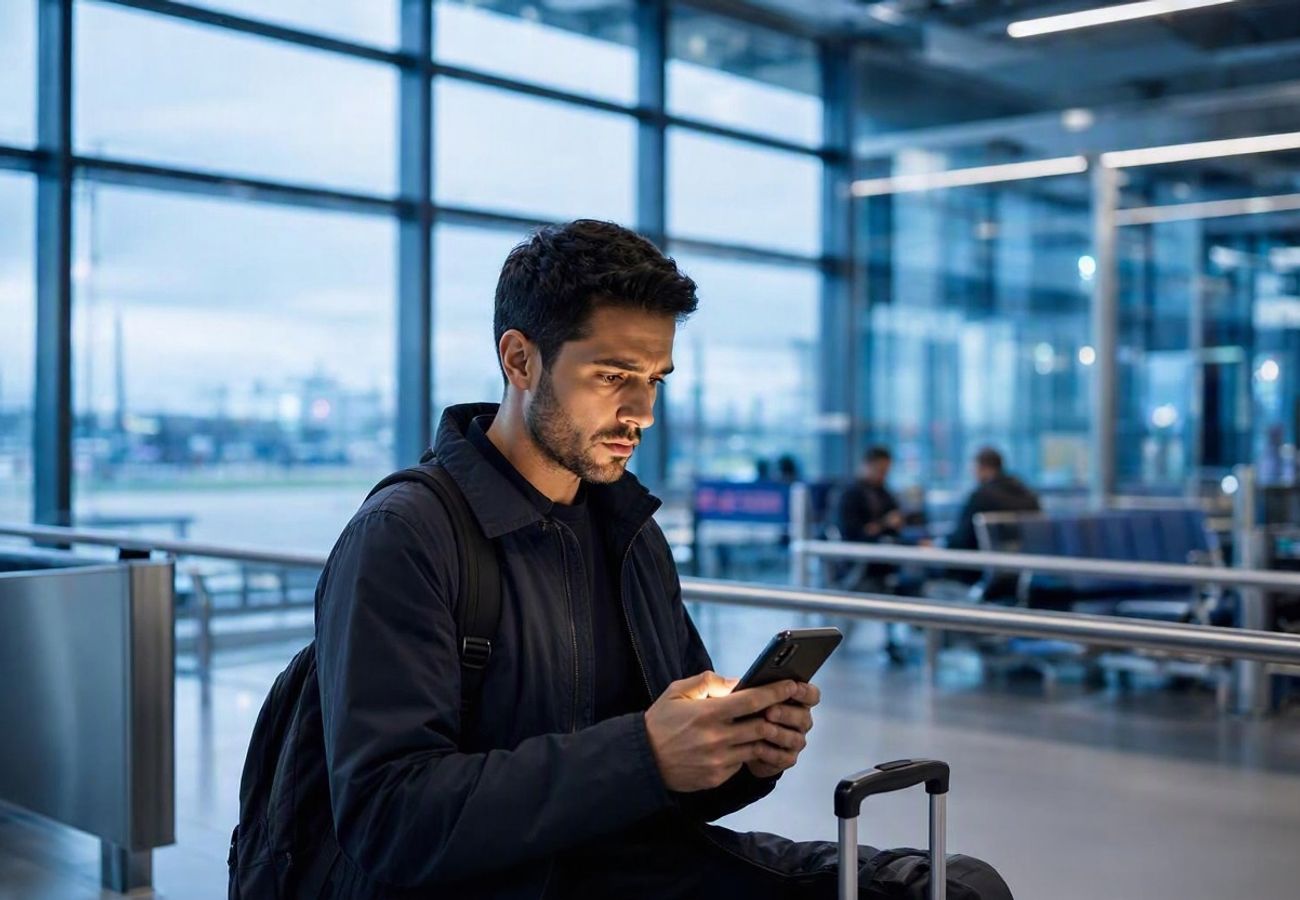
Image generated by AI
Over 95,000 fraud cases were investigated by Canadian authorities in 2025, with an equal number of applications refused due to misrepresentation. This staggering volume of deception serves as the catalyst for a new, coordinated global defense strategy. Canada has now joined forces with the United Kingdom, Australia, Singapore, New Zealand, India, the UAE, Saudi Arabia, the European Union, and Hong Kong to shield international travelers from the escalating threat of generative AI and deepfake technology.
The Evolution of Synthetic Deception in Tourism
The nature of travel fraud has shifted from obvious, poorly drafted phishing emails to high-fidelity synthetic media. Criminal networks are now utilizing generative AI to clone the voices of government officials, manufacture photorealistic videos of diplomats, and build mirror-image replicas of official government portals.
For the modern nomad, the primary risk is no longer just "spam," but the total erosion of visual and auditory trust. Fraudsters are specifically targeting those seeking Electronic Travel Authorizations (eTAs) or visitor visas, using AI to create convincing advertisements that promise guaranteed approvals or expedited processing—claims that are legally impossible.
Global Defense Frameworks and State Responses
Governments are no longer relying solely on public warnings; they are integrating AI into their own security stacks to counter the "AI vs. AI" arms race. While some nations focus on the legal regulation of synthetic content, others are deploying active scanning tools to protect the public in real-time.
The following table outlines the specific defensive mechanisms deployed across key jurisdictions to protect incoming and outgoing travelers:
| Country/Region | Primary Defense Mechanism | Traveler Impact & Protection |
|---|---|---|
| Canada | IRCC AI-screening & Biometrics | Detection of identity fraud and document anomalies |
| United Kingdom | Deepfake Detection Frameworks | Identification of synthetic audio/video in visa scams |
| Australia | Scamwatch & Smartraveller Guidance | Warnings on cloned voices and AI-generated misinformation |
| Singapore | [ScamShield](https://www. Gov.sg) AI Ecosystem | Real-time filtering of suspicious links and impersonations |
| New Zealand | Deepfake Education Initiatives | Prevention of fraudulent visa-payment demands |
| India | Cybercrime Enforcement & Regulation | Targeting of synthetic content in tourism bookings |
| UAE | Synthetic Media Detection Tech | Countering manipulated advertisements for services |
| Saudi Arabia | Verification Safeguards | Protection against identity abuse and impersonation |
| European Union | ETIAS Official Channels | Elimination of fraudulent third-party authorization sites |
| Hong Kong | Synthetic Media Enforcement | Targeting of phishing and impersonation fraud |
Expert Analysis: The Dual-Threat AI Paradigm
From a logistical and legal perspective, travelers are now facing a "dual-threat" environment. The first is malicious AI, where deepfakes are used as weapons for financial theft. The second is hallucinatory AI, where legitimate AI travel tools provide outdated or incorrect visa requirements, leading travelers to inadvertently violate border laws.
For those booking travel through third-party agents or digital platforms, the direct consequence is that visual credibility is now zero. A video of a consulate official is no longer evidence of authenticity. The pricing pressure created by "guaranteed visa" scams often targets desperate travelers, who pay premiums for services that do not exist.
The shift toward AI-assisted anomaly detection by the Immigration, Refugees and Citizenship Canada (IRCC) means that the margin for error in applications is shrinking. As authorities use AI to find inconsistencies in biometrics and documentation, travelers must ensure their data is perfectly synchronized across all platforms to avoid being flagged by these new automated risk indicators.
Key Takeaways
- Zero Trust Policy: Never assume a video, voice note, or website is official based on appearance; use independent verification via official
.govdomains. - No Guaranteed Outcomes: Any service promising a "guaranteed" visa or "privileged access" to immigration officials is a confirmed scam.
- Verification Over Speed: Avoid "expedited" services offered by third parties that require passport or banking details outside of official portals.
- Cross-Check AI Advice: Do not rely on LLMs or AI chatbots for current visa rules; verify all requirements through official government portals.
- Biometric Consistency: Ensure all application data matches your legal documents exactly, as AI-driven screening now flags minor inconsistencies.
FAQ: AI Travel Scams 2026
How can I tell if a visa website is fake?
Check the URL carefully. Official government sites typically end in .gov or specific national domains (e.g., .gc.ca for Canada). Avoid sites that ask for payment via cryptocurrency or unconventional methods.
What should I do if I think I've been targeted by a deepfake scam? Immediately cease communication, document the interaction (screenshots/recordings), and report the incident to your local authorities and the destination country's official embassy or consulate.
Can AI actually help me find cheaper flights safely? Yes, but verify the final booking on the official airline website. If an AI tool redirects you to an unknown third-party payment gateway, it may be a phishing attempt.
Is my biometric data safe with AI-assisted government screening? Most governments, including Canada's, use these tools for fraud detection under strict privacy laws, though travelers should always review the data privacy agreements during the application process.
The era of "seeing is believing" has ended; for the modern traveler, verification is the only currency that matters.
Related Travel Guides
Disclaimer
This article is for informational and educational purposes only. It does not constitute legal, financial, or professional advice. While we strive to provide accurate and up-to-date information, travel policies, regulations, and conditions change rapidly. Always verify information with official sources before making travel decisions. Nomad Lawyer makes no representations about the accuracy, reliability, completeness, or suitability of the information provided. Readers should consult qualified professionals for advice specific to their circumstances. The views expressed in this article are those of the author and do not necessarily reflect the views of Nomad Lawyer.
Naina Thakur
Contributor & Travel Specialist
Travel enthusiast and legal writer covering visa regulations, responsible tourism, and cultural journeys across global destinations.
Learn more about our team →