
Southwest Airlines Nearly Stranded 10 Passengers, Including Pregnant Travelers, Due to Self-Inflicted Schedule Crunch
Breaking airline news and aviation industry updates for 2026.

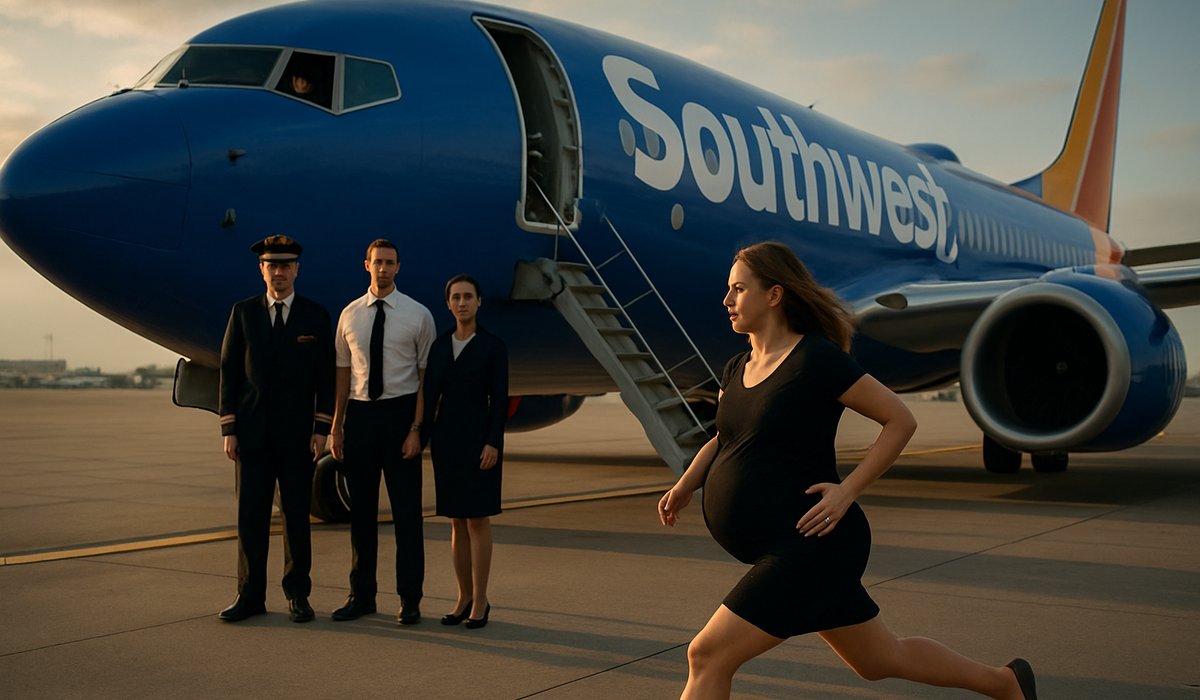
Image generated by AI
Southwest Airlines Nearly Stranded 10 Passengers, Including Pregnant Travelers, Due to Self-Inflicted Schedule Crunch
A cascade of operational failures highlights growing vulnerabilities in connecting flight logistics across major U.S. carriers
The Incident: When Airlines Create Their Own Passenger Crises
Southwest Airlines came perilously close to abandoning ten passengers at the gate—including elderly travelers and a pregnant woman—after the carrier's own inbound flight delay left connecting customers scrambling across a sprawling airport terminal with minimal time to make their next departure.
The incident underscores a persistent operational challenge facing major U.S. airlines: the disconnect between ground operations management and passenger safety protocols when schedule disruptions ripple through connecting flight networks.
Tight Connections and Cascading Delays
The situation exemplifies the high-wire act that modern air travel has become. With gate-to-gate connection windows often compressed to under 45 minutes on major hubs, delayed arrivals automatically jeopardize downstream flights. When Southwest's inbound service arrived late—a delay the airline itself controlled—passengers faced an impossible equation: traverse a substantial distance between gates in a shrinking timeframe or risk being left behind.
The composition of this particular connecting group compounded the vulnerability. Elderly passengers and a pregnant traveler couldn't physically manage the sprint that younger, more mobile flyers might attempt, creating a humanitarian dimension to what could have been a logistical failure with serious consequences.
Broader Industry Patterns in Flight Operations
This episode reflects systemic pressures coursing through commercial aviation. Airlines have engineered operational models predicated on razor-thin connection buffers to maximize aircraft utilization and reduce costs. While economically efficient, this approach leaves minimal margin for error when primary flight segments experience delays—whether due to weather, mechanical issues, or ground handling bottlenecks.
The aviation industry's emphasis on density—squeezing more flights into shorter windows—has become standard practice across carriers like Southwest, United, American, and Delta. When executed flawlessly, the model works. When disruptions occur, vulnerable passenger populations bear the consequences.
Operational Accountability Questions
Southwest has not publicly detailed how the situation was ultimately resolved or what protocols prevented the departure without these passengers. The airline's response—or lack thereof—raises questions about crew authority in gate decisions and passenger protection standards during operationally-induced connection failures.
For travelers booking connecting flights, the incident serves as a cautionary reminder about the fragility of tight itineraries and the limited recourse available when airlines' own delays cascade into passenger abandonment scenarios.
FAQ: Connecting Flights and Airline Passenger Rights
Can airlines legally leave passengers behind on connecting flights? While airlines retain gate authority, passengers already ticketed for a flight generally cannot be stranded due to delays on prior airline-operated segments. Specific protections vary by jurisdiction and airline policy.
What's a safe connection time when booking flights? Industry standard recommendations suggest 90 minutes for domestic connections in major hubs and 2-3 hours for international transfers, though this varies by airport layout and complexity.
Do pregnant or elderly passengers receive priority assistance on tight connections? Many airlines offer priority boarding and assistance requests, though actual gate hold policies differ. Passengers with mobility concerns should notify airlines when booking.
What compensation applies when airlines cause missed connections? U.S. carriers typically rebook passengers on next available flights, though financial compensation policies vary based on fault determination and airline regulations.
How prevalent are connection failures in U.S. aviation? While exact statistics remain proprietary to airlines, connection misses represent a persistent operational challenge, particularly during irregular operations or peak travel periods.
Related Travel Guides
Flight Delay Compensation Guide 2026
Understanding Airline Route Changes
Airport Security Process Updated (2026)
External Resources
Disclaimer
This article is for informational and educational purposes only. It does not constitute legal, financial, or professional advice. While we strive to provide accurate and up-to-date information, travel policies, regulations, and conditions change rapidly. Always verify information with official sources before making travel decisions. Nomad Lawyer makes no representations about the accuracy, reliability, completeness, or suitability of the information provided. Readers should consult qualified professionals for advice specific to their circumstances. The views expressed in this article are those of the author and do not necessarily reflect the views of Nomad Lawyer.
Raushan Kumar
Founder & Lead Developer
Full-stack developer with 11+ years of experience and a passionate traveller. Raushan built Nomad Lawyer from the ground up with a vision to create the best travel and law experience on the web.
Learn more about our team →