
Singapore Airlines Launches Ambitious Ultra-Long-Haul Network Expansion With 10 New Nonstop Routes by 2026
Breaking airline news and aviation industry updates for 2026.

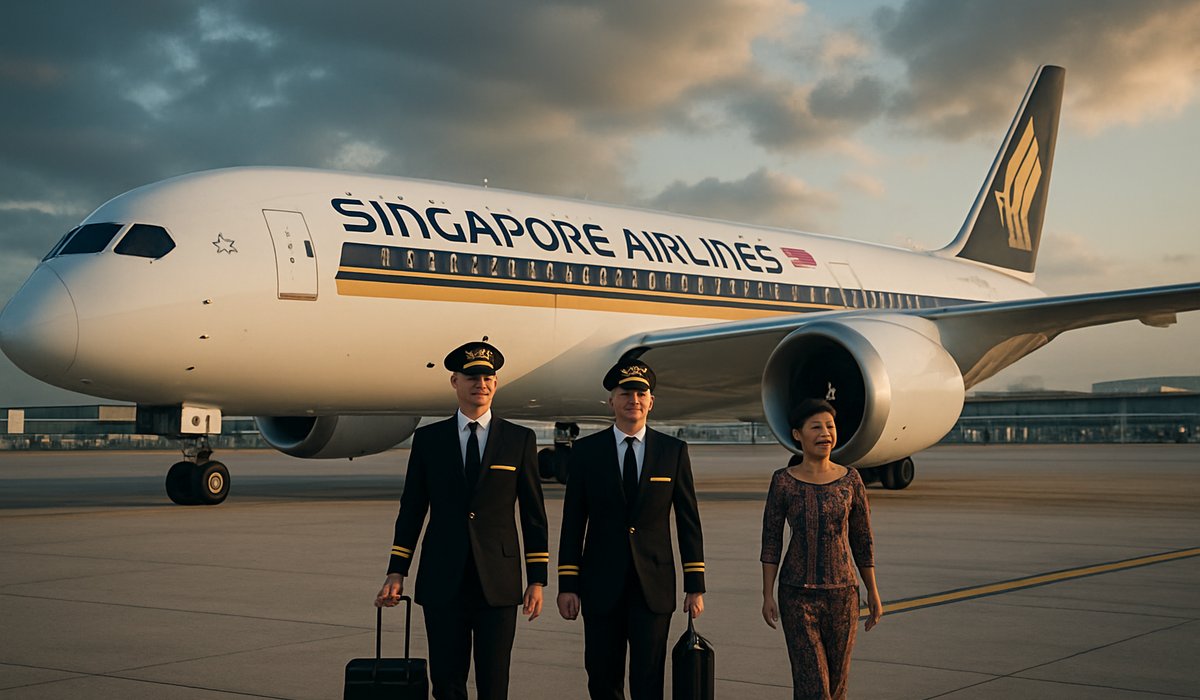
Image generated by AI
Singapore Airlines Launches Ambitious Ultra-Long-Haul Network Expansion With 10 New Nonstop Routes by 2026
The carrier's fleet modernization sets stage for 19-hour marathon flights as aviation industry embraces extended-range aircraft technology
Carrier Bolsters Ultra-Long-Haul Capabilities
Singapore Airlines is making a decisive push into extreme-distance air travel, announcing plans to operate ten new nonstop routes spanning up to 19 hours by 2026. The move positions the carrier as a frontrunner in the aviation industry's shift toward extended-range operations, capitalizing on technological advances in modern widebody aircraft and evolving passenger demand for faster connectivity between distant markets.
The strategic expansion underscores Singapore Airlines' transformation into a premium ultra-long-haul specialist, leveraging one of the world's most modern and capable aircraft fleets to establish new aviation corridors previously considered operationally challenging or economically unviable.
Fleet Composition Enables Ambitious Growth
The Singapore-based carrier operates a substantial network backbone supported by 149 passenger aircraft, positioning it among Asia's most significant aviation powers. According to aviation data platform CH-Aviation, the airline's fleet composition heavily favors long-range widebody capacity—a critical factor enabling such ambitious route expansion.
The operational fleet includes:
- 65 Airbus A350-900 aircraft
- 28 Boeing 787-10 Dreamliners
- 22 Boeing 777-300ER jets
- 22 Boeing 737 MAX 8 narrowbodies
- 12 Airbus A380 superjumbos
Widebody aircraft account for approximately 85% of Singapore Airlines' total capacity, providing substantial flexibility for configuring ultra-long-haul routes. This fleet composition represents a deliberate strategic investment in extended-range capability, enabling the carrier to operate routes that demand fuel efficiency and range performance.
Industry Context: Aviation's Extended-Range Revolution
The expansion reflects broader industry trends toward ultra-long-haul operations. Manufacturers have developed new-generation aircraft—particularly the Boeing 787 and Airbus A350—specifically engineered for marathon flights with improved fuel economics and passenger comfort features. These aircraft reduce operating costs on extreme-distance routes while maximizing revenue potential through premium cabin configurations.
Such aggressive route planning also signals confidence in international aviation demand recovery post-pandemic, despite persistent headwinds from volatile jet fuel prices and ongoing geopolitical uncertainties affecting global air traffic patterns.
Strategic Implications for Global Aviation
Singapore Airlines' ten-route initiative represents a significant competitive repositioning within Southeast Asia's aviation landscape. The carrier's subsidiary, Silk Air, has historically operated regional narrowbody services, but the parent airline's shift toward premium ultra-long-haul operations suggests a refined focus on high-yield, point-to-point connectivity between major global business and leisure hubs.
This strategic positioning may intensify competition with rival carriers on extended-range routes while establishing Singapore Airlines as the preferred operator for time-sensitive travelers prioritizing nonstop connectivity over multiple-stop alternatives.
Frequently Asked Questions
What are ultra-long-haul flights and how do they impact airline operations? Ultra-long-haul flights exceed 17-18 hours and require advanced aircraft with extended-range capabilities and specialized crew scheduling. They demand greater fuel capacity, sophisticated route planning, and premium pricing to remain economically viable.
How do jet fuel prices affect airlines' ability to launch new long-distance routes? Volatile jet fuel costs directly impact route profitability. High fuel prices can render previously viable ultra-long-haul routes uneconomical. Airlines typically employ fuel hedging strategies and modern efficient aircraft to mitigate these cost pressures.
What advantages does the Boeing 787 Dreamliner provide for ultra-long-haul operations? The 787 features advanced materials, fuel-efficient engines, and extended-range capabilities enabling nonstop flights previously requiring intermediate stops. Its lower operating costs and superior fuel economy improve financial viability on distance-intensive routes.
How do airline baggage fees and ancillary charges factor into ultra-long-haul pricing? Premium ultra-long-haul routes typically command higher base fares, reducing reliance on baggage charges. However, airlines increasingly bundle baggage allowances, seat selection, and amenities into tiered fare products on these high-value routes.
Why is Singapore Airlines prioritizing ultra-long-haul expansion? The carrier leverages Singapore's geographic position as a regional hub, combines fleet modernization, taps premium business-travel markets, and capitalizes on recovered international aviation demand to establish profitable nonstop connectivity.
Related Travel Guides
Flight Delay Compensation Guide 2026
Understanding Airline Route Changes
Airport Security Process Updated (2026)
External Resources
Disclaimer
This article is for informational and educational purposes only. It does not constitute legal, financial, or professional advice. While we strive to provide accurate and up-to-date information, travel policies, regulations, and conditions change rapidly. Always verify information with official sources before making travel decisions. Nomad Lawyer makes no representations about the accuracy, reliability, completeness, or suitability of the information provided. Readers should consult qualified professionals for advice specific to their circumstances. The views expressed in this article are those of the author and do not necessarily reflect the views of Nomad Lawyer.
Preeti Gunjan
Contributor & Community Manager
A passionate traveller and community builder. Preeti helps grow the Nomad Lawyer community, fostering engagement and bringing the reader experience to life.
Learn more about our team →