
Airbus Misses FAA Cockpit Safety Deadline, JetBlue Seeks Year-Long Exemption on A220 Fleet
Breaking airline news and aviation industry updates for 2026.

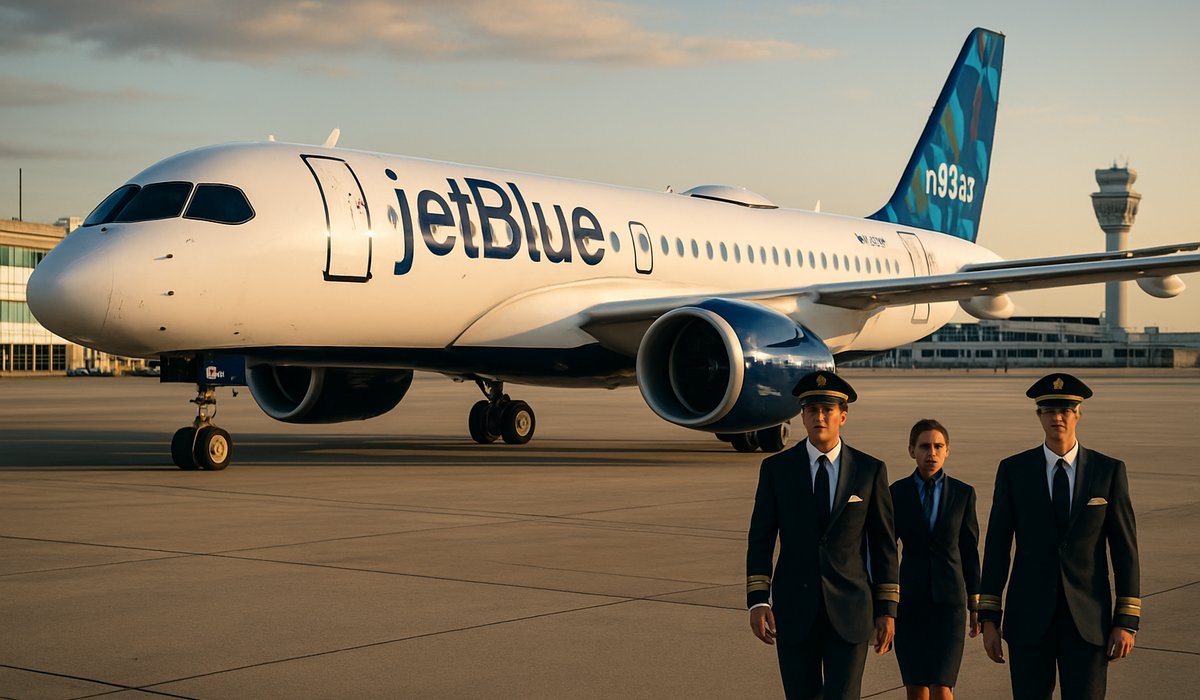
Image generated by AI
Airbus Misses FAA Cockpit Safety Deadline, JetBlue Seeks Year-Long Exemption on A220 Fleet
Manufacturing delays threaten to derail federal security mandate as major carrier pushes back compliance timeline
Critical Safety Mandate Faces Implementation Setback
JetBlue Airways has formally petitioned the Federal Aviation Administration for a 12-month exemption from newly mandated cockpit barrier requirements, following Airbus's announcement that it cannot meet the regulatory agency's compliance deadline for retrofitting secondary cockpit barriers on its A220 aircraft.
The development represents a significant stumble in aviation safety protocol enforcement, with the carrier—which operates one of the largest A220 fleets in the United States—now seeking relief from federal standards designed to reinforce cockpit security in commercial aviation.
Manufacturing Constraints Drive Regulatory Gap
The European aircraft manufacturer cited production capacity constraints and supply chain complications as obstacles preventing timely completion of the secondary barrier installations across its A220 production line. The technical modifications, which establish an additional physical barrier between the flight deck and passenger cabin, represent a cornerstone of post-9/11 aviation security architecture.
JetBlue's exemption request acknowledges the impossibility of meeting original FAA deadlines while awaiting Airbus component deliveries. The airline has submitted formal documentation to federal regulators seeking extended compliance flexibility through next year.
Wider Industry Ramifications
The delay carries implications beyond JetBlue's operations. The A220 has emerged as a critical aircraft type for North American carriers, with multiple operators now facing uncertain compliance pathways. Airlines including Air Canada and other regional carriers operate significant A220 fleets, potentially complicating their own regulatory standing.
The situation underscores persistent vulnerabilities in aviation supply chain resilience, an issue that has plagued manufacturers and operators since pandemic-era production disruptions. Component sourcing difficulties continue hampering the industry's recovery trajectory, affecting everything from aircraft delivery schedules to safety equipment installations.
Regulatory Response Pending
The FAA has not yet issued a determination on JetBlue's exemption application. The agency typically evaluates such requests by weighing operational necessity against safety implications, establishing precedent for other carriers potentially facing identical circumstances.
Industry observers note that approval would effectively extend the original compliance window by 12 months, creating a two-tier safety implementation schedule across the U.S. commercial fleet.
Looking Ahead
The outcome of this exemption battle will signal how federal regulators balance manufacturing realities with security imperatives. Given JetBlue's operational scale and the A220's growing market presence, the decision could reshape compliance timelines across the entire narrow-body aircraft sector.
Airbus has pledged to prioritize barrier installations once production constraints ease, though no revised completion date has been publicly announced.
Frequently Asked Questions
What are cockpit barriers and why are they required? Secondary cockpit barriers are reinforced physical partitions that prevent unauthorized access to the flight deck. The FAA mandates these installations to enhance cockpit security following aviation security protocols established in recent decades.
How many A220 aircraft does JetBlue operate? JetBlue represents a substantial portion of the A220 fleet operating in the United States, making its compliance status significant for the carrier's regulatory standing and operational continuity.
What happens if the FAA denies JetBlue's exemption request? Denial would require immediate fleet retrofitting, potentially forcing operational disruptions and aircraft grounding if Airbus cannot accelerate component deliveries.
Are other airlines affected by this Airbus delay? Yes—any carrier operating A220 aircraft faces similar timeline pressures, including Air Canada and other regional operators globally dependent on Airbus retrofitting schedules.
When could this exemption be resolved? The FAA typically processes such petitions within weeks to months, with a decision expected before the original compliance deadline, allowing carriers time to adjust operational planning accordingly.
Related Travel Guides
Flight Delay Compensation Guide 2026
Understanding Airline Route Changes
Airport Security Process Updated (2026)
External Resources
Disclaimer
This article is for informational and educational purposes only. It does not constitute legal, financial, or professional advice. While we strive to provide accurate and up-to-date information, travel policies, regulations, and conditions change rapidly. Always verify information with official sources before making travel decisions. Nomad Lawyer makes no representations about the accuracy, reliability, completeness, or suitability of the information provided. Readers should consult qualified professionals for advice specific to their circumstances. The views expressed in this article are those of the author and do not necessarily reflect the views of Nomad Lawyer.
Preeti Gunjan
Contributor & Community Manager
A passionate traveller and community builder. Preeti helps grow the Nomad Lawyer community, fostering engagement and bringing the reader experience to life.
Learn more about our team →