
Airlines Rush to Adopt Starlink Technology: In-Flight Internet Transformation Set for 2026
Breaking airline news and aviation industry updates for 2026.

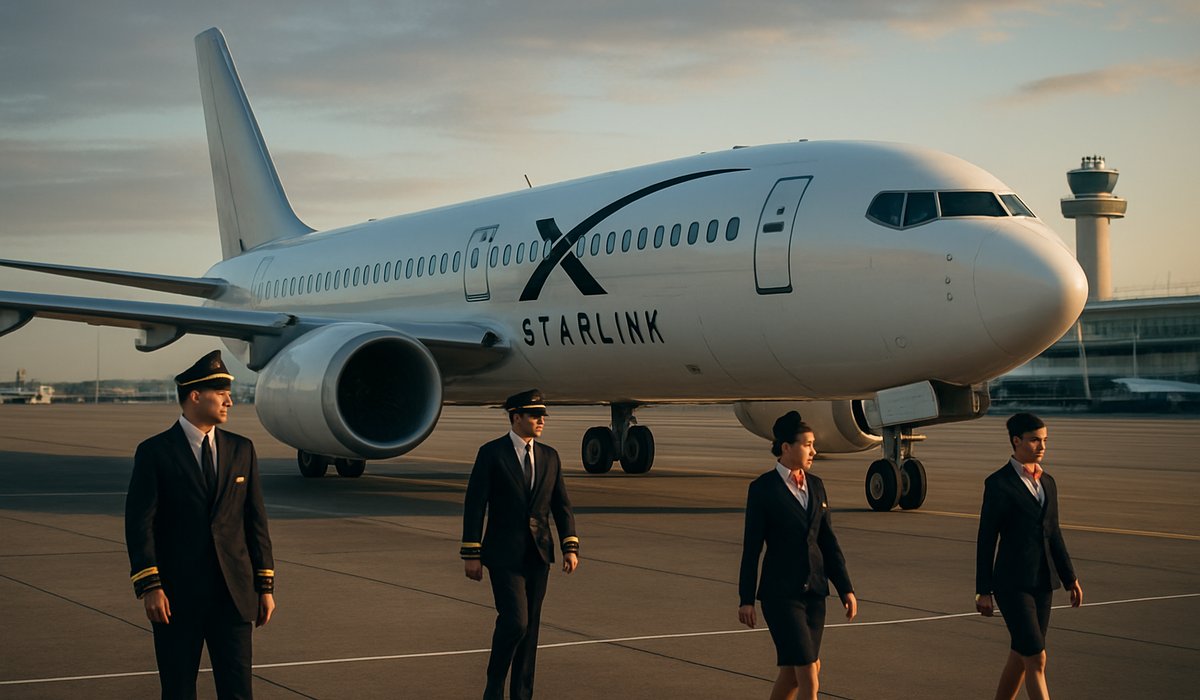
Image generated by AI
Airlines Rush to Adopt Starlink Technology: In-Flight Internet Transformation Set for 2026
Low-earth orbit satellite systems promise to end decades of sluggish connectivity, reshaping how passengers experience air travel globally
The Connectivity Crisis Reaches a Breaking Point
The aviation industry is on the brink of a technological revolution that could finally deliver the seamless internet experience passengers have demanded for years. Major carriers worldwide are now racing to integrate Starlink and competing low-earth orbit (LEO) satellite systems into their fleets, signaling an end to the notoriously unreliable inflight connectivity that has plagued commercial aviation for nearly two decades.
For generations, air travelers have endured painfully slow connection speeds that can barely support basic email functions, let alone video streaming or real-time communications. Industry analysts now confirm that this frustrating era is rapidly drawing to a close, with multiple carriers committing to comprehensive deployment timelines spanning 2025 and 2026.
A Competitive Advantage in the Skies
The shift toward LEO satellite constellations represents far more than a quality-of-life improvement—it has become a critical competitive battleground for carriers seeking to differentiate their services in an increasingly price-sensitive market. Airlines recognize that robust inflight connectivity now ranks among passenger priorities, alongside seat comfort and on-time performance.
Several prominent international carriers have publicly committed to aggressive rollout schedules, positioning satellite-based internet as a cornerstone of their customer value proposition. These investments signal confidence that enhanced digital infrastructure will justify premium positioning and justify ancillary revenue strategies tied to connectivity services.
The Technology Behind the Transformation
LEO satellite networks operate at substantially lower altitudes than traditional geostationary systems, dramatically reducing latency and increasing bandwidth capacity. This fundamental advantage enables streaming-quality video, cloud-based gaming, and uninterrupted video conferencing—capabilities that ground-based networks have consistently failed to deliver at 35,000 feet.
The transition also addresses a persistent pain point affecting airline operations themselves. Crew communications, aircraft diagnostics, and real-time flight management systems will all benefit from enhanced connectivity, potentially improving operational efficiency and safety protocols.
Industry-Wide Implications
This technological pivot carries broader ramifications for the aviation ecosystem. Airlines investing in premium connectivity infrastructure may leverage this capability to justify higher base fares or premium cabin pricing, influencing competitive dynamics across major routes. Meanwhile, carriers slower to adopt these systems may face competitive disadvantages in premium segments where business and leisure travelers increasingly expect office-grade digital capabilities.
The transition also reflects deeper industry trends toward passenger experience standardization, particularly as low-cost carriers increasingly compete for premium travelers by offering previously exclusive amenities.
FAQ: Starlink and the Future of Inflight Internet
Q: When will Starlink be available on commercial flights? A: Major carriers have targeted 2025-2026 for comprehensive fleet rollout, with initial deployments beginning on select aircraft routes.
Q: Will this inflight internet require additional passenger fees? A: Implementation models remain airline-specific; some carriers may bundle connectivity into premium fares, while others may maintain tiered subscription options.
Q: How does LEO satellite internet differ from current inflight WiFi systems? A: LEO constellations operate at lower altitudes, delivering substantially faster speeds, lower latency, and higher bandwidth capacity compared to traditional geostationary satellite systems.
Q: Which airlines are leading the Starlink adoption race? A: Multiple international carriers have publicly committed to rollout timelines, though specific implementation details remain proprietary.
Q: Will this affect airline operating costs and ticket prices? A: Infrastructure investments may influence long-term pricing strategies, potentially affecting both premium and economy fares depending on competitive positioning.
Related Travel Guides
Flight Delay Compensation Guide 2026
Understanding Airline Route Changes
Airport Security Process Updated (2026)
External Resources
Disclaimer
This article is for informational and educational purposes only. It does not constitute legal, financial, or professional advice. While we strive to provide accurate and up-to-date information, travel policies, regulations, and conditions change rapidly. Always verify information with official sources before making travel decisions. Nomad Lawyer makes no representations about the accuracy, reliability, completeness, or suitability of the information provided. Readers should consult qualified professionals for advice specific to their circumstances. The views expressed in this article are those of the author and do not necessarily reflect the views of Nomad Lawyer.
Preeti Gunjan
Contributor & Community Manager
A passionate traveller and community builder. Preeti helps grow the Nomad Lawyer community, fostering engagement and bringing the reader experience to life.
Learn more about our team →