
Portugal Aligns With Spain and France as Europe’s Dark Sky Destinations Redefine Night Tourism Experiences: All You Need to Know
Portugal Aligns With Spain and France as Europe’s Dark Sky Destinations Redefine Night Tourism Experiences: All You Need to Know

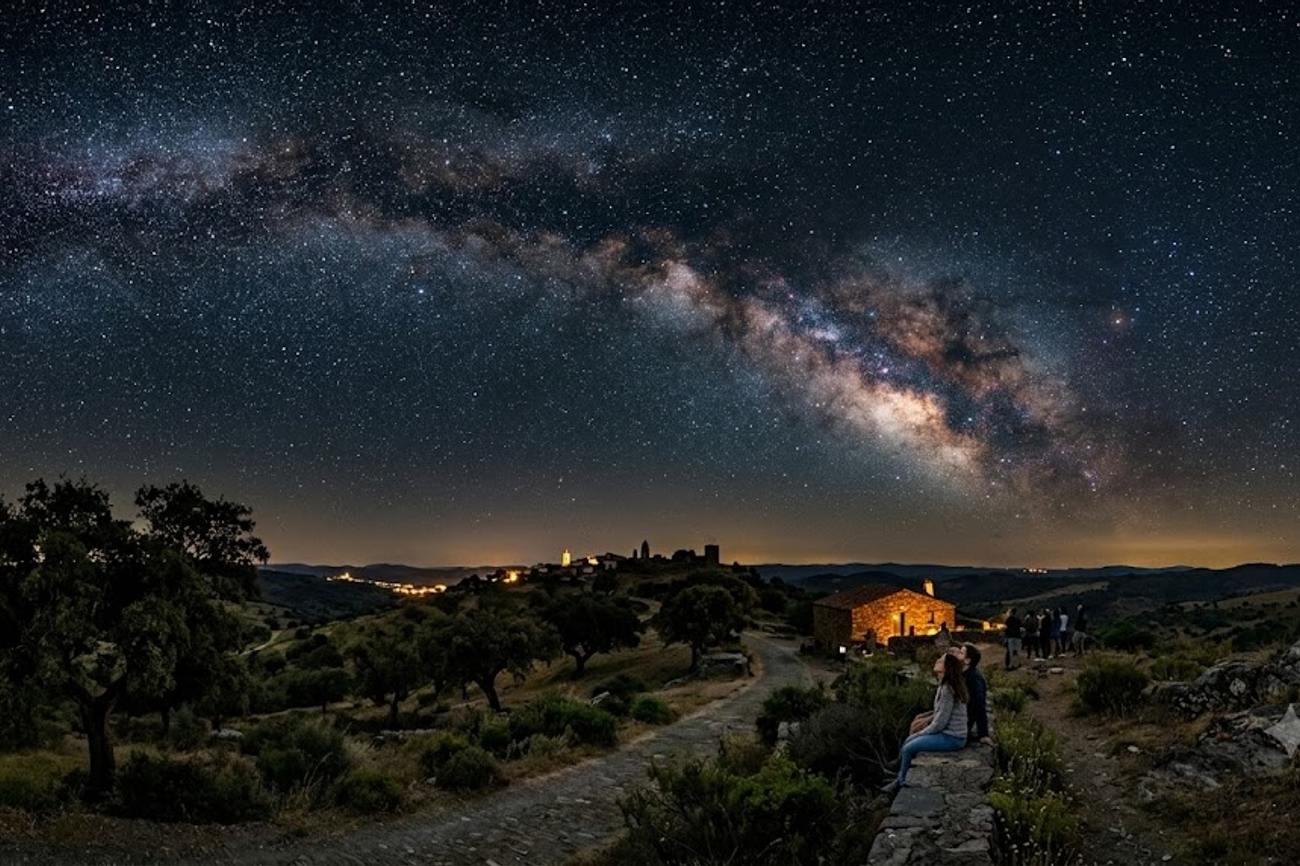
Image generated by AI
One single certification—the Starlight Tourism Destination designation—marked the Alqueva region in Portugal as the first location globally to formalize the marriage of astronomical preservation and commercial tourism. This shift signals a broader European movement to monetize "natural darkness," transforming the absence of light from a rural inconvenience into a high-value luxury asset. As urban sprawl and light pollution erase the Milky Way from the view of most city dwellers, a new sector of the travel economy is emerging, centered on the preservation of the nocturnal environment.
The Geopolitics of Nocturnal Preservation
The rise of dark sky tourism is not merely a trend in "slow travel"; it is a strategic economic pivot for rural European municipalities. For decades, regions in the Alentejo of Portugal, the Cévennes of France, and the highlands of Scotland struggled with seasonal tourism dips and the exodus of youth to urban centers. By partnering with the International Dark Sky Association, these regions are repositioning their lack of infrastructure as a premium feature.
This movement is driven by a regulatory shift toward "responsible lighting." To maintain certifications, local governments must implement strict zoning laws regarding artificial light, which in turn protects local biodiversity and reduces energy costs. For the traveler, this means a curated experience where the environment is legally protected from the encroachment of LED streetlighting and commercial glare. The result is a symbiotic relationship where environmental conservation directly fuels local GDP through specialized hospitality and guided scientific tours.
Mapping Europe's Celestial Infrastructure
The distribution of these protected zones reveals a pattern: the most successful destinations leverage extreme geography—high altitudes, remote islands, or deep valleys—to create a physical barrier between the observer and urban light pollution.
| Destination | Country | Primary Astronomical Draw | Environmental Advantage |
|---|---|---|---|
| Alqueva Dark Sky Reserve | Portugal | Guided star experiences | Low light pollution / Alentejo plains |
| Teide National Park | Spain | High-altitude observation | Volcanic elevation above cloud cover |
| Cévennes National Park | France | Large-scale protected reserve | Mountainous terrain / Limited artificial light |
| Eifel National Park | Germany | Astronomy education | Protected forest night landscapes |
| Rhön Dark Sky Reserve | Germany | Guided star activities | Low-density rural lighting |
| Austrian Alpine Regions | Austria | High-altitude observation | Alpine air clarity / Remote valleys |
| Scotland Dark Sky Sites | United Kingdom | Northern sky/Aurora views | Extreme remoteness / Wilderness buffers |
In Spain, the strategy is centered on altitude. Teide National Park in Tenerife utilizes its volcanic peak to place observers above the atmospheric interference and cloud layers that plague lower elevations. This makes the Canary Islands a global hub not just for tourists, but for professional scientific observation. Meanwhile, France has focused on scale, with the Cévennes National Park establishing one of the largest protected dark sky reserves in Europe, integrating night walks and forestry into the astronomy experience.
Expert Analysis: The Economic Shift Toward "Experience-Based" Assets
For the modern traveler, the transition toward dark sky tourism represents a shift from "sightseeing" (passive observation of landmarks) to "experiencing" (active engagement with a phenomenon). The direct consequence of this shift is a change in how rural accommodation is priced and marketed. We are seeing the emergence of "astronomy-centric" lodging—hotels and rural stays that forgo traditional lighting and install high-end telescopes as standard amenities.
The pricing pressure created by this trend is significant. Because "true darkness" is a finite resource, destinations like Alqueva and the Scottish Highlands can command a premium for "quietude" and "visibility." This creates a new revenue stream for rural communities that is less dependent on the traditional summer peak. Stargazing is a year-round activity, and in some cases, such as the pursuit of the Northern Lights in Scotland, it actually peaks during the winter months.
Furthermore, this trend aligns with the broader Global Sustainable Tourism Council guidelines by encouraging low-impact travel. Unlike cruise tourism or mass-market beach resorts, dark sky tourism requires minimal physical infrastructure. The "product" is the sky itself, meaning the primary investment for the destination is the restriction of development rather than the construction of it. For the traveler booking these routes, the value proposition is a combination of scientific education and psychological decompression, far removed from the digital noise of urban environments.
Key Takeaways
- Economic Diversification: Rural regions in Portugal, Germany, and Austria are using dark sky certifications to attract year-round visitors, reducing reliance on seasonal summer peaks.
- Infrastructure of Absence: The primary "asset" in these regions is the legal restriction of artificial light, turning environmental conservation into a commercial draw.
- Geographic Specialization: Destinations like Teide National Park leverage high-altitude volcanic landscapes to offer visibility that is physically impossible in lowland urban areas.
- Market Convergence: Dark sky tourism is merging with eco-tourism and wellness travel, targeting high-spending, nature-conscious demographics.
- Certification Impact: The Starlight Tourism Destination and International Dark Sky Places programs provide the third-party validation necessary to market these regions to a global audience.
FAQ: European Stargazing 2025
What is the best time of year for dark sky travel in Europe? While stargazing is possible year-round, winter offers the darkest nights and the best visibility for deep-space objects. However, those chasing the Northern Lights in Scotland should target the window between September and March.
Do I need professional equipment to visit these reserves? No. Most certified destinations, such as Alqueva or the Eifel National Park, provide guided tours with professional-grade telescopes and expert astronomers who handle the technical setup for visitors.
How do "Dark Sky Reserves" differ from regular National Parks? While National Parks protect land and wildlife, Dark Sky Reserves specifically regulate light pollution. They implement strict laws on the type, color, and direction of artificial lighting to preserve the natural night.
Are these destinations accessible for non-experts? Yes. These regions focus on "astronomy tourism," which blends science with leisure. Experiences range from basic guided night walks to advanced telescope sessions, making them accessible for families and casual travelers.
The future of luxury travel may not be found in what is added to a destination, but in what is carefully removed.
Tags: Alqueva Dark Sky Reserve, Teide National Park, International Dark Sky Places, Cévennes National Park, Astronomy Tourism Europe, Starlight Tourism Destination
Related Travel Guides
- Canada Launches Powerful Tourism Vision To Unite Peace Parks Climate Goals And Future Generations
- Vietnam’s Sun PhuQuoc Airways Unlocks New Tourism Growth With Asia’s Best Leisure Airline Award
- Vietnam Captures Global Attention As World Travel Awards 2026 Asia Nominations Spotlight Its Tourism Strength
Disclaimer
This article is for informational and educational purposes only. It does not constitute legal, financial, or professional advice. While we strive to provide accurate and up-to-date information, travel policies, regulations, and conditions change rapidly. Always verify information with official sources before making travel decisions. Nomad Lawyer makes no representations about the accuracy, reliability, completeness, or suitability of the information provided. Readers should consult qualified professionals for advice specific to their circumstances. The views expressed in this article are those of the author and do not necessarily reflect the views of Nomad Lawyer.
Naina Thakur
Contributor & Travel Specialist
Travel enthusiast and legal writer covering visa regulations, responsible tourism, and cultural journeys across global destinations.
Learn more about our team →