
Poland Launches Strategic Tourist Voucher Program to Boost Eastern Regional Travel
Poland introduces travel subsidies for Lubelskie, Podkarpackie, Podlaskie, and Warmińsko-Mazurskie to drive autumn tourism and support local businesses.

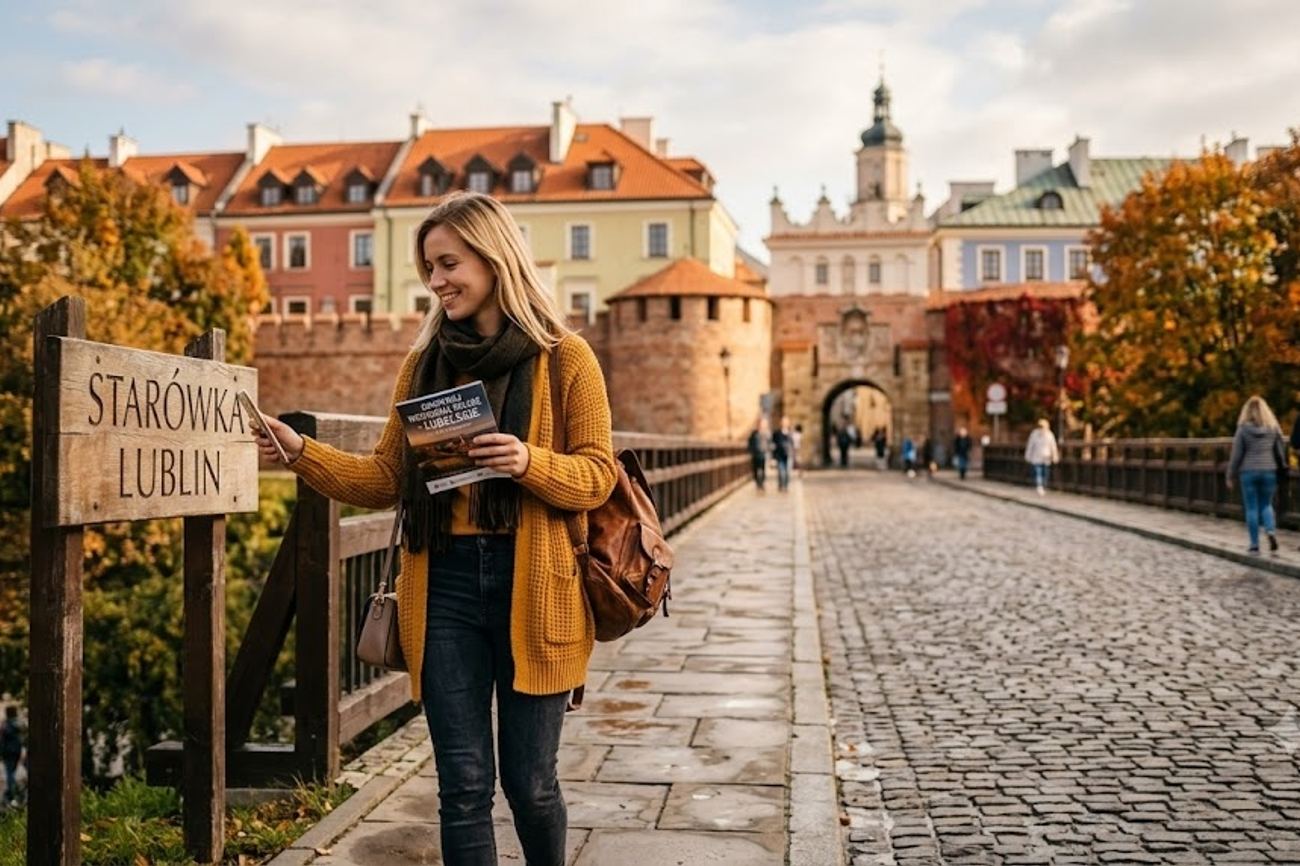
Image generated by AI
Warsaw, September 9, 2026 —
The Polish government has officially launched a targeted financial support initiative across four key regions to stimulate tourism during the autumn season. Beginning in September 2026, travelers booking services in Lubelskie, Podkarpackie, Podlaskie, and Warmińsko-Mazurskie will be eligible for travel subsidies designed to offset costs and encourage exploration of the country's eastern territories. This strategic move aims to alleviate the seasonal volatility of the tourism sector, ensuring that local accommodations and regional attractions maintain steady revenue streams following the summer peak.
The program is a core component of a broader national mandate to decentralize tourism. By providing direct financial incentives, the state intends to shift visitor traffic away from saturated urban centers and toward the underdeveloped infrastructure of eastern Poland, thereby fostering a more equitable distribution of economic benefits.
Strategic Focus on Eastern Polish Provinces
The voucher scheme specifically targets four provinces known for their ecological diversity and cultural depth. By focusing on these specific areas, the government is attempting to combat the "summer peak" phenomenon, where tourism infrastructure is overwhelmed in July and August but remains underutilized throughout September, October, and November.
Industry reports indicate that this initiative is part of a wider European trend where destinations are implementing "shoulder season" incentives to sustain employment in the hospitality sector year-round. In Poland, this means providing a financial cushion for small-scale operators—ranging from boutique guesthouses to regional museums—who typically struggle with plummeting occupancy rates once the school holidays end.
The four selected regions provide a diverse array of experiences, catering to different traveler demographics:
| Region | Primary Tourism Strengths |
|---|---|
| Lubelskie | Historic urban centers, cultural heritage sites, nature reserves, and rural tourism |
| Podkarpackie | Mountainous terrain, outdoor adventure, traditional folklore, and Bieszczady landscapes |
| Podlaskie | Dense forests, wildlife observation, national parks, and eco-tourism |
| Warmińsko-Mazurskie | Lake districts, sailing, water-based recreation, and countryside retreats |
Driving Regional Economic Growth via Diversification
According to the Polish Ministry of Sport and Tourism, the development of regional travel is a pillar of current national policy. The objective is not merely to increase the number of visitors, but to improve the overall competitiveness of rural destinations. By directing funding toward Lubelskie, Podkarpackie, Podlaskie, and Warmińsko-Mazurskie, the government is investing in the visibility of areas that possess high tourism potential but lack the international recognition of major hubs like Warsaw or Kraków.
The Ministry emphasizes that improving regional infrastructure is essential for facilitating easier access to eastern Poland. This includes enhancing transport links and supporting local businesses in upgrading their service standards to meet international expectations.
The Shift Toward Autumnal and Nature-Based Travel
The timing of this voucher scheme aligns with a global shift in consumer behavior. Modern travelers are increasingly eschewing crowded summer destinations in favor of "slow travel"—experiences characterized by lower costs, quieter environments, and a deeper connection with nature.
The eastern provinces are uniquely positioned to capture this market. The autumn season in these regions is particularly conducive to specific travel niches, including:
- Forest and Wildlife Tourism: Peak foliage and wildlife activity in Podlaskie.
- Active Recreation: Hiking and mountain trekking in the Podkarpackie highlands.
- Wellness and Rural Escapes: Quiet retreats in the lakes of Warmińsko-Mazurskie.
- Gastronomic Exploration: Seasonal food experiences centered on autumn harvests in rural Lubelskie.
For the local communities, this influx of autumn visitors provides a critical economic lifeline. Spending flows directly into the pockets of local transport providers, family-run eateries, and artisanal shops, preventing the economic stagnation often seen in rural areas during the off-season.
Analyzing Poland's Tourism Recovery and Expansion
Data from Statistics Poland (GUS) confirms a trajectory of sustained growth in the national tourism sector. The recovery from previous global disruptions has been bolstered by competitive pricing and a renewed interest in sustainable, nature-centric travel.
The current government strategy represents an evolution in how Poland markets itself. While the "Big Three" cities—Warsaw, Kraków, and Gdańsk—continue to drive the bulk of international arrivals, the state is now pivoting toward a "distributed tourism" model. This model prioritizes sustainable growth and the protection of natural resources over mass tourism.
By integrating the voucher scheme with a focus on community-based tourism, Poland is attempting to create a symbiotic relationship between the traveler and the host community. This approach ensures that tourism serves as a tool for regional development rather than a source of environmental or social strain.
Why This Matters: The Impact on the Modern Traveler
For the traveler, this voucher scheme transforms the financial calculus of visiting Poland. It effectively lowers the barrier to entry for exploring the "hidden" side of the country, making high-quality rural accommodations more accessible. From a logistical standpoint, this encourages visitors to extend their stays and venture further east, reducing the pressure on city-center hotels and decreasing the likelihood of overtourism in popular landmarks.
From a business perspective, this is a lifeline for the "micro-hospitality" sector. Small guesthouses and B&Bs in regions like Podlaskie often operate on thin margins; a government-backed subsidy that guarantees a baseline of autumn bookings can be the difference between a business remaining solvent through the winter or being forced to close.
Ultimately, this initiative signals a move toward a more mature tourism economy—one that values sustainability, regional identity, and economic resilience over simple headcount statistics.
Related Travel Guides
Disclaimer
This article is for informational and educational purposes only. It does not constitute legal, financial, or professional advice. While we strive to provide accurate and up-to-date information, travel policies, regulations, and conditions change rapidly. Always verify information with official sources before making travel decisions. Nomad Lawyer makes no representations about the accuracy, reliability, completeness, or suitability of the information provided. Readers should consult qualified professionals for advice specific to their circumstances. The views expressed in this article are those of the author and do not necessarily reflect the views of Nomad Lawyer.
Preeti Gunjan
Contributor & Community Manager
A passionate traveller and community builder. Preeti helps grow the Nomad Lawyer community, fostering engagement and bringing the reader experience to life.
Learn more about our team →