
Pilot Files FAA Safety Report After White House UFC Lights Nearly Blind Aircraft on Reagan Approach
A commercial pilot reported being nearly blinded by White House UFC arena lighting during critical approach to Reagan National Airport, filing safety complaints with the FAA and NASA.

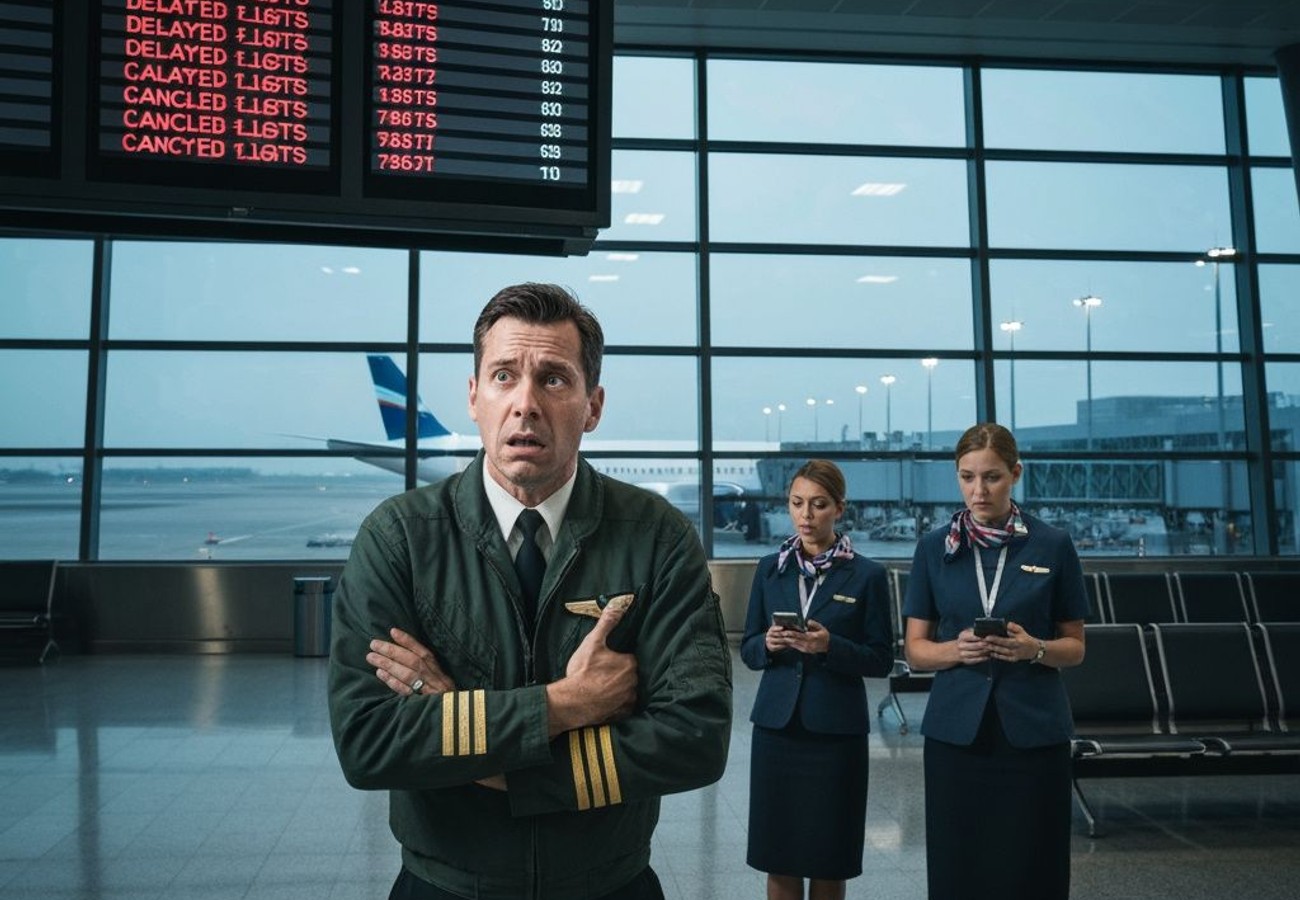
Image generated by AI
A commercial pilot has escalated a serious safety concern through official federal channels after experiencing what they describe as a nearly blinding light exposure during final approach to Ronald Reagan Washington National Airport (DCA) on the evening of June 14, 2026.
The incident involved intense lighting from a temporary sporting arena constructed on the White House South Lawn for UFC Freedom 250, a mixed martial arts event celebrating President Donald Trump's 80th birthday and America's 250th independence anniversary.
The Critical Moment: When Precision Meets Chaos
The pilot, operating a night flight for an unnamed commercial airline, encountered the powerful light array while executing approach procedures to DCA — located approximately 3 miles from the White House. According to reports filed with both the Federal Aviation Administration (FAA) and NASA's Aviation Safety Reporting System (ASRS), the incident occurred during one of aviation's most unforgiving phases: final descent and landing.
What makes this incident genuinely alarming is the pilot's direct comparison. The cockpit exposure was described as "ten times worse than any laser illumination event" they had experienced throughout their career.
Reddit: "If a pilot is comparing something to laser strikes and saying it's worse, we should be taking this extremely seriously. Those pilots know what they're talking about." — r/aviation
The temporary arena featured an overhead structure nicknamed "The Claw," with the entire installation reportedly costing approximately $60 million. While a strict no-fly zone exists directly above the White House, the dynamic lighting system's powerful beams extended high enough to intersect with standard commercial flight corridors in the surrounding airspace.
Why Light Hazards Matter More Than Most Realize
Laser strikes and abnormal light exposure represent among the most common and dangerous hazards facing commercial pilots. The Federal Aviation Administration recorded nearly 11,000 laser strikes in 2025 alone — averaging roughly 30 incidents per day.
The physics of the problem is straightforward but severe: when light refracts through an aircraft's windshield, abnormal external illumination dramatically reduces pilot visibility at precisely the moment when clear visuals become absolutely critical. Some laser strikes have caused temporary or even permanent eye injuries to flight crews.
Federal penalties for deliberately shining lasers at aircraft reflect the gravity of the threat: up to five years in prison and fines reaching $11,000 per violation.
Why Reagan National Airspace Makes This Worse
DCA sits in one of America's most complex and congested airspace environments. The airport's Runway 1-19 handles more daily operations than any other single runway in the United States. Commercial pilots approaching DCA must navigate unusually tight approach procedures, including a required last-minute directional change that demands complete situational awareness.
The surrounding airspace is shared simultaneously by commercial carriers, military aircraft, and various other civil aviation operations. This convergence of traffic created the conditions for tragedy on January 13, 2025, when American Airlines Flight 5342 — an American Eagle CRJ700 regional jet — collided with a US Army UH-60 Black Hawk helicopter during final approach. That crash killed all 64 people aboard both aircraft.
Given this operational complexity, introducing an uncontrolled visual hazard during the approach phase transforms a manageable challenge into a potentially catastrophic scenario.
The Coordination Breakdown
Perhaps most troubling is what happened after the pilot raised concerns through official channels. According to reports, the pilot contacted a local FAA office about the lighting hazard. The response: they were directed to contact the White House directly.
This suggests a coordination gap between federal aviation authorities and the event organizers. As of the incident date, no clear record emerged of whether commercial pilots were formally warned about potential light hazards while operating in DCA's approach corridors during the evening of June 14.
The UFC Freedom 250 event also reportedly bypassed a complete environmental review process, raising additional questions about whether proper aviation safety protocols were followed during the event's authorization and construction phases.
What Happens Next?
The two formal safety reports filed with the FAA and NASA's ASRS enter the federal aviation safety database and will be reviewed by relevant authorities. However, the critical question remains: will DCA pilots receive specific warnings about visual hazards during future operations around White House events that employ similar lighting arrays?
The precedent matters. Major airports from LAX to JFK implement strict coordination protocols for any ground-based activity that could affect flight operations. A $60 million temporary structure with powerful lighting systems — in one of America's most densely trafficked airspaces — demands equivalent scrutiny.
This incident reminds us that aviation safety depends on coordination between every stakeholder, not selective implementation.
Related Travel Guides
Disclaimer
This article is for informational and educational purposes only. It does not constitute legal, financial, or professional advice. While we strive to provide accurate and up-to-date information, travel policies, regulations, and conditions change rapidly. Always verify information with official sources before making travel decisions. Nomad Lawyer makes no representations about the accuracy, reliability, completeness, or suitability of the information provided. Readers should consult qualified professionals for advice specific to their circumstances. The views expressed in this article are those of the author and do not necessarily reflect the views of Nomad Lawyer.
Preeti Gunjan
Contributor & Community Manager
A passionate traveller and community builder. Preeti helps grow the Nomad Lawyer community, fostering engagement and bringing the reader experience to life.
Learn more about our team →