
Philippines Invests in Tourism Frontliners Ahead of 49th ASEAN Summit to Enhance Hospitality Experience
The Philippines is training 244 tourism frontliners to provide exceptional service to delegates and visitors at the 49th ASEAN Summit in November 2026.

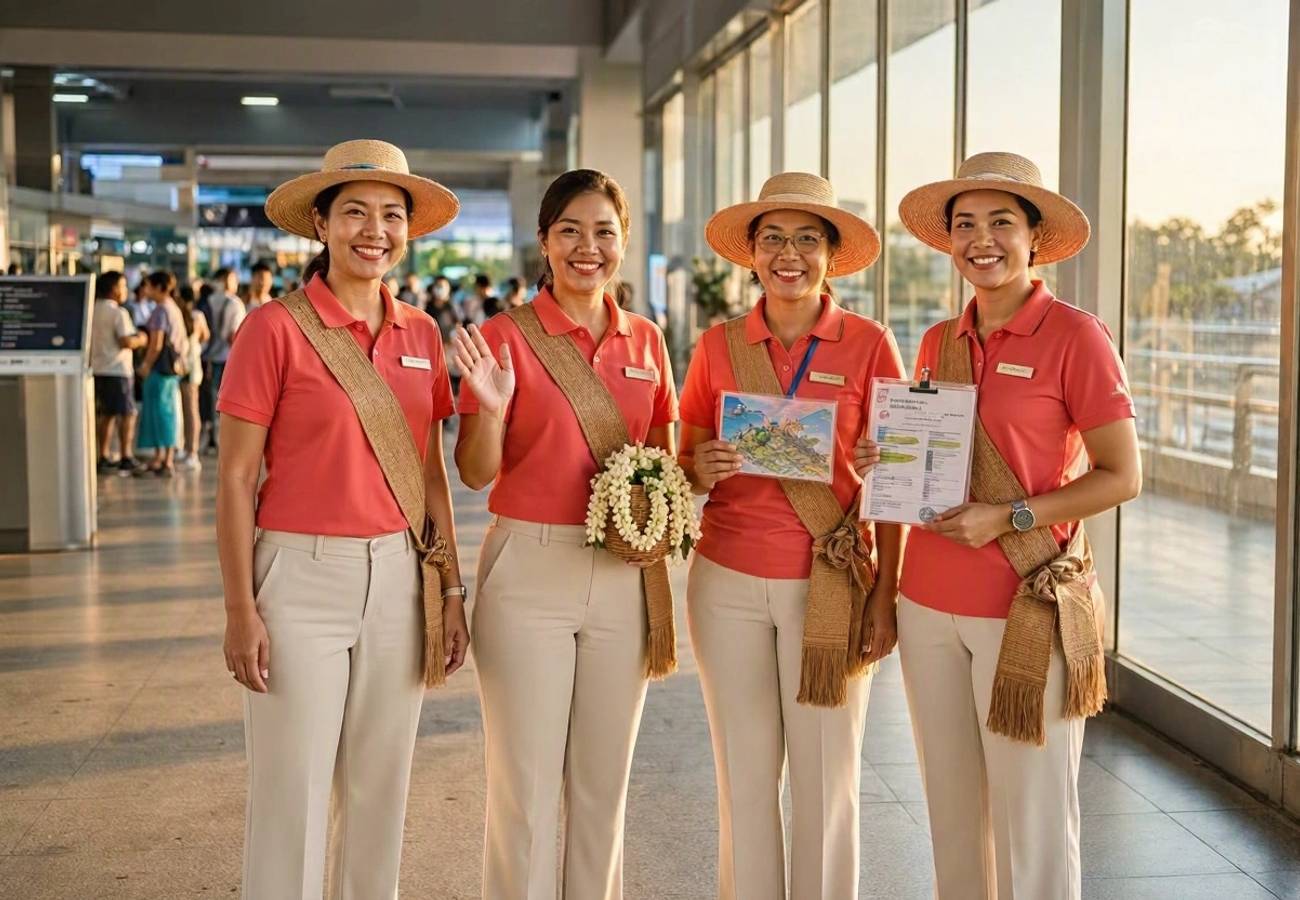
Image generated by AI
Only 13% of international visitors to the Philippines experience the country's unique hospitality beyond the capital city of Manila, but the Department of Tourism (DOT) is working to change this by training its tourism frontliners to provide exceptional service to delegates and visitors at the 49th ASEAN Summit in November 2026. The DOT has launched a month-long training program to equip 244 tourism personnel with the skills and service mindset needed to provide professional and welcoming assistance.
The 49th ASEAN Summit: A Platform for Philippine Hospitality
The 49th ASEAN Summit and Related Meetings, scheduled to take place on 13-15 November 2026 in Metro Manila, presents a significant opportunity for the Philippines to showcase its tourism and hospitality capabilities to a regional audience. The DOT's training program is centered on the Filipino Brand of Service Excellence (FBSE), which aims to prepare frontline workers to serve delegates, visitors, and guests in the conferences. According to the official ASEAN calendar, the 49th ASEAN Summit and Related Summits are set to take place in Metro Manila, and the DOT is working closely with the Philippine Department of Tourism to ensure a successful event.
What Makes the Philippines Different
The Philippines is known for its warm hospitality, and the DOT's training program is designed to enhance this experience for international visitors. The program focuses on equipping tourism personnel with the skills and service mindset needed to provide professional and welcoming assistance. The DOT has previously used FBSE training to strengthen customer service capabilities among tourism workers and other frontline stakeholders. For more information on the Filipino Brand of Service Excellence, visit the Philippine Department of Tourism website.
Visitor Insider Tips
To make the most of your visit to the Philippines, consider the following insider tips:
- Arrive at the airport early to take advantage of the trained liaison officers, information officers, and ushers who can assist with your arrival and departure.
- Stay at accredited hotels that have undergone the DOT's training program to ensure a consistent service approach.
- Take advantage of the information officers who can provide you with information and assistance during your stay.
- Visit the Philippine Department of Tourism website for more information on the Filipino Brand of Service Excellence and the DOT's training program.
Cultural and Environmental Context
The DOT's training program is not only focused on providing exceptional service but also on promoting the Philippines' unique culture and environment. The program includes training on the country's history, customs, and traditions, as well as its environmental conservation efforts. For more information on the Philippines' environmental conservation efforts, visit the Department of Environment and Natural Resources website.
FAQ: Visiting the Philippines for the 49th ASEAN Summit
Q: What is the best time to visit the Philippines for the 49th ASEAN Summit? A: The 49th ASEAN Summit is scheduled to take place on 13-15 November 2026. Q: Do I need a visa to visit the Philippines? A: Check with the Philippine Department of Foreign Affairs for visa requirements. Q: How do I get to the Philippines from major hubs? A: The Philippines is accessible by air, with major airlines flying into Manila's Ninoy Aquino International Airport. Q: Is it safe for solo travelers to visit the Philippines? A: Yes, the Philippines is generally a safe country for solo travelers, but take normal precautions to ensure your safety.
[The Philippines is ready to welcome you with its unique brand of hospitality and exceptional service, making your visit to the 49th ASEAN Summit an unforgettable experience]
Related Travel Guides
Disclaimer
This article is for informational and educational purposes only. It does not constitute legal, financial, or professional advice. While we strive to provide accurate and up-to-date information, travel policies, regulations, and conditions change rapidly. Always verify information with official sources before making travel decisions. Nomad Lawyer makes no representations about the accuracy, reliability, completeness, or suitability of the information provided. Readers should consult qualified professionals for advice specific to their circumstances. The views expressed in this article are those of the author and do not necessarily reflect the views of Nomad Lawyer.
Preeti Gunjan
Contributor & Community Manager
A passionate traveller and community builder. Preeti helps grow the Nomad Lawyer community, fostering engagement and bringing the reader experience to life.
Learn more about our team →