
Philippines Hosts ASEAN Tourism Forum 2026 in Cebu to Drive Sustainable Regional Growth
The Philippines leverages the ASEAN Tourism Forum 2026 in Cebu to establish a new regional blueprint for sustainable tourism, focusing on connectivity, environmental resilience, and community-led economic growth across Southeast Asia.

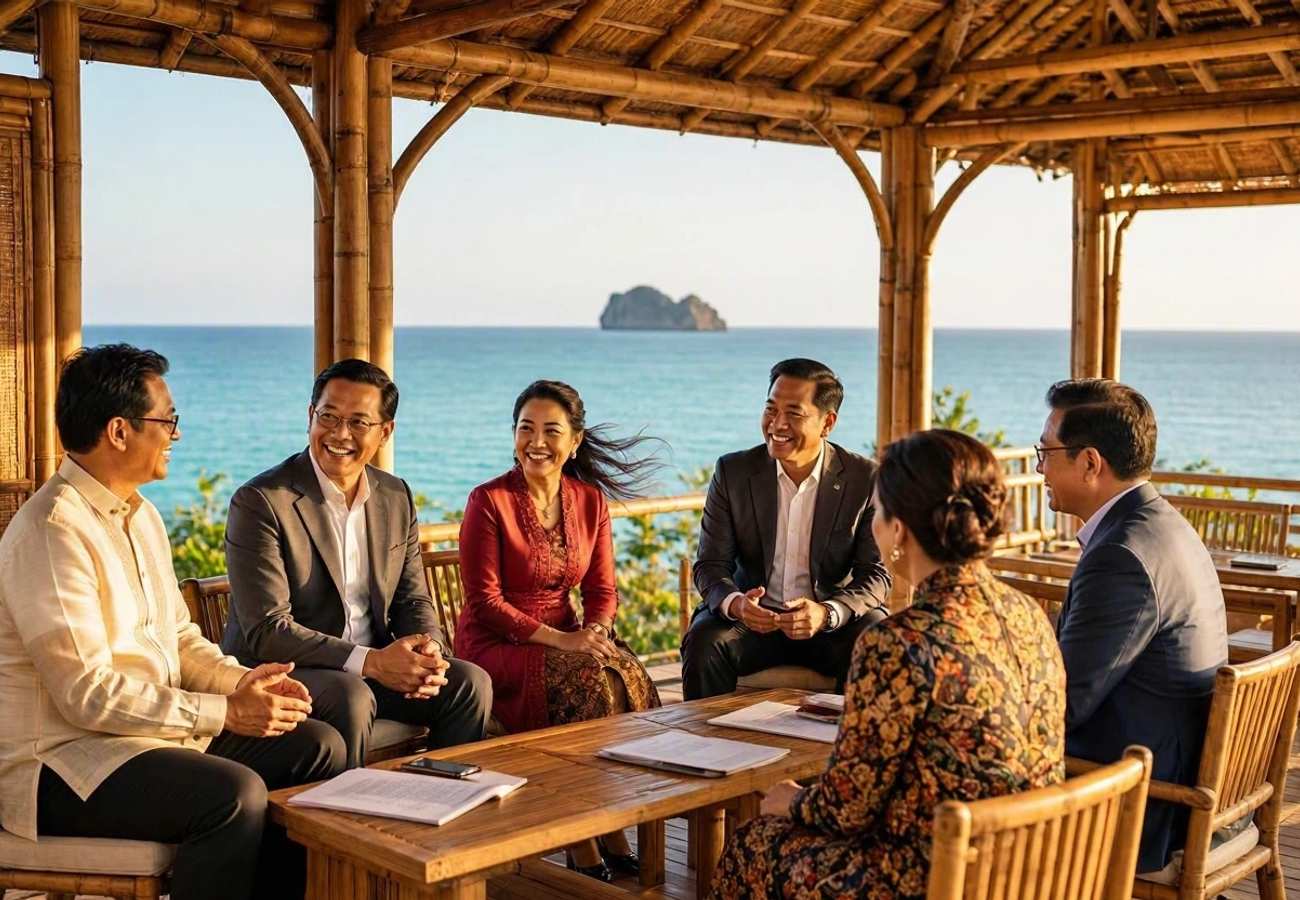
Image generated by AI
10 Southeast Asian nations converged in Cebu for the ASEAN Tourism Forum 2026, marking a strategic shift toward a unified regional tourism framework. This gathering serves as more than a promotional event; it is a policy-driven effort to synchronize sustainability standards and infrastructure across the Association of Southeast Asian Nations (ASEAN), ensuring that rapid visitor growth does not collapse the very ecosystems that attract global travelers.
The Cebu Strategic Pivot
By selecting Cebu as the host, the Philippines has positioned the Central Visayas region as the epicenter for high-level diplomatic and commercial tourism discourse. Cebu’s dual identity—as both a commercial urban hub and a gateway to fragile marine ecosystems—makes it a living laboratory for the forum's primary goal: balancing aggressive economic expansion with environmental preservation.
The forum functioned as a bridge between government regulators and private sector operators, aiming to standardize how "responsible tourism" is measured and implemented across borders. For the Philippines, this is a calculated move to increase its visibility not just as a leisure destination, but as a premier hub for MICE (Meetings, Incentives, Conferences, and Exhibitions) tourism.
Regional Development Framework and Logistics
The 2026 forum outlined a comprehensive roadmap designed to move Southeast Asia away from fragmented national strategies toward a cohesive regional visitor economy. Central to this is the concept of "multi-destination itineraries," where travelers are encouraged to visit several ASEAN countries in a single trip, supported by streamlined transport and policy cooperation.
ASEAN Tourism Forum 2026 Strategic Matrix
| Category | Strategic Detail |
|---|---|
| Host Location | Cebu, Philippines |
| Primary Objective | Sustainable Regional Tourism Strategy |
| Core Pillars | Connectivity, Resilience, Community Participation |
| Key Sectors | Government Authorities, Travel Trade, International Buyers |
| Operational Focus | Digital Transformation & Workforce Development |
| Target Segments | Leisure, Cultural, MICE, and Responsible Tourism |
Expert Analysis: The Connectivity-Sustainability Paradox
For travelers and investors, the outcomes of the ASEAN Tourism Forum 2026 reveal a critical tension: the desire for increased "regional connectivity" versus the mandate for "sustainable destination management."
The direct consequence of the forum's focus on connectivity is a projected push for expanded flight paths and streamlined visa processes between ASEAN capitals and secondary hubs like Cebu. However, the data suggests that the Philippines is acutely aware of the "concentration risk"—where a handful of sites (like Oslob or Boracay) face environmental degradation due to over-tourism.
The pricing pressure this creates means that "sustainable" certifications may soon translate into higher visitor fees or capped entry numbers for sensitive zones. For the nomad or frequent traveler, this signals a shift toward "de-concentrated tourism," where government incentives will likely push visitors away from saturated hotspots toward emerging, under-visited provinces.
Furthermore, the emphasis on digital transformation suggests that the International Air Transport Association (IATA) standards for seamless travel will be integrated more deeply into regional airports, including the Mactan-Cebu International Airport, to reduce friction for long-haul arrivals.
Cebu’s Diversified Tourism Portfolio
The forum utilized Cebu’s varied geography to demonstrate how a single province can support multiple tourism tiers simultaneously. This diversification is a hedge against the volatility of any single travel segment.
Cebu Destination Breakdown
| Destination/Attraction | Primary Appeal | Strategic Value |
|---|---|---|
| Cebu City | Heritage & Business | Urban MICE Infrastructure |
| Mactan Island | Luxury Resorts | International Gateway Access |
| Moalboal & Malapascua | Diving & Marine Life | High-Value Eco-Tourism |
| Oslob | Marine Wildlife | Mass-Market Coastal Draw |
| Bantayan Island | Beach Holidays | Domestic & Slow Travel |
| Magellan's Cross | History & Religion | Cultural Heritage Anchor |
Key Takeaways
- Policy Shift: Southeast Asia is moving toward a unified "Sustainable Regional Tourism Strategy" to prevent environmental collapse in high-traffic zones.
- Cebu as a Hub: The Philippines is aggressively promoting Cebu as a primary gateway for both business events and eco-tourism.
- Connectivity Focus: Expect increased efforts to improve air and sea links between ASEAN nations to facilitate multi-country trips.
- Digital Transition: A regional push for digital adoption in tourism businesses will likely simplify booking and border crossings for international visitors.
- Community-Centric Growth: New frameworks prioritize local business participation to ensure tourism profits remain within host communities.
FAQ: ASEAN Tourism 2026
How does the ASEAN Tourism Forum 2026 affect regular travelers? Travelers can expect more streamlined travel between Southeast Asian countries, including potentially easier visa processes and increased flight options between secondary cities like Cebu and other ASEAN hubs.
What does "sustainable tourism" mean for visitors in the Philippines? It likely means stricter regulations at popular sites, such as visitor caps, mandatory eco-guides, and a shift in promotion toward less-crowded destinations to protect biodiversity.
Why was Cebu chosen over Manila for this forum? Cebu offers a diverse mix of urban infrastructure and natural attractions, allowing delegates to experience both the business and environmental challenges of Philippine tourism in one location.
Will this lead to higher travel costs in Southeast Asia? While connectivity may lower flight costs through competition, "responsible tourism" initiatives often involve environmental fees or premium pricing for sustainable operators.
The blueprint for Southeast Asian travel is being rewritten in Cebu, trading raw volume for long-term viability.
Related Travel Guides
Disclaimer
This article is for informational and educational purposes only. It does not constitute legal, financial, or professional advice. While we strive to provide accurate and up-to-date information, travel policies, regulations, and conditions change rapidly. Always verify information with official sources before making travel decisions. Nomad Lawyer makes no representations about the accuracy, reliability, completeness, or suitability of the information provided. Readers should consult qualified professionals for advice specific to their circumstances. The views expressed in this article are those of the author and do not necessarily reflect the views of Nomad Lawyer.
Kunal K Choudhary
Co-Founder & Contributor
A passionate traveller and tech enthusiast. Kunal contributes to the vision and growth of Nomad Lawyer, bringing fresh perspectives and driving the community forward.
Learn more about our team →