
Philippines Cruise Tourism Surges as Manila Homeport Growth Drives Passenger Volume Above 2019 Levels in 2026
Cruise passenger arrivals in the Philippines have surpassed pre-pandemic benchmarks, with Manila evolving into a primary turnaround hub and regional ports expanding capacity.

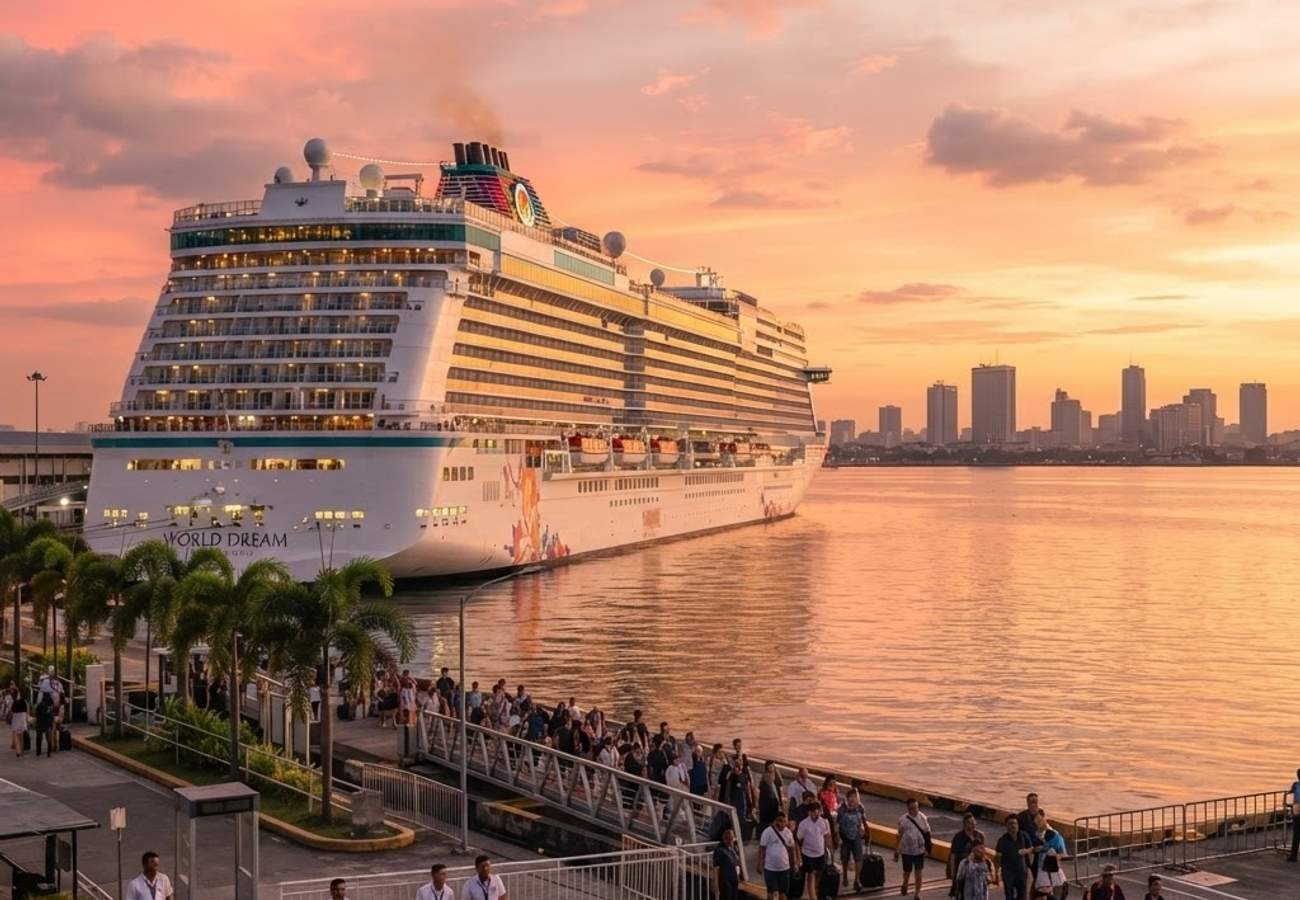
Image generated by AI
The Philippines has officially surpassed its pre-pandemic cruise passenger benchmarks, driven by a strategic shift in Manila's role from a simple stopover to a primary turnaround homeport.
Manila Transition to Primary Cruise Homeport
Data from the Eva Macapagal Cruise Terminal indicates a significant acceleration in "turnaround" activity. As of April 2026, Manila recorded six turnaround cruise calls, a threefold increase over the two calls recorded during the previous year.
A turnaround call signifies that passengers both embark and disembark at the same location. This transition allows Manila to function as a starting and ending point for voyages rather than a transit stop, increasing the economic impact per passenger.
The terminal is currently equipped to handle medium and large vessels with capacities ranging from 1,000 to 3,000 passengers, primarily serving markets from the United States, Europe, and China.
Passenger Volume and Growth Statistics
Official figures from the Philippine Ports Authority (PPA) demonstrate a consistent upward trajectory in arrival numbers over the last three years:
- 2023: 88,080 cruise passengers
- 2024: 150,903 cruise passengers
- 2025: 226,247 cruise passengers
The 2025 figures represent a critical milestone, exceeding the 213,765 passengers recorded in 2019. While PPA national data for March and April 2026 is currently undergoing validation, early indicators suggest this growth trend is persisting.
Regional Port Expansion and Infrastructure
The growth in cruise tourism is decentralizing, moving beyond the capital to distribute visitor traffic across the archipelago.
Active Regional Hubs: PPA-managed ports currently receiving regular cruise traffic include:
- Coron
- Puerto Princesa
- Currimao
- Salomague
Planned Development Zones: Further cruise-port infrastructure projects are advancing in the following locations:
- Coron (Palawan)
- Alegria (Buruanga, Aklan)
- Catagbacan (Loon, Bohol)
- Balbagon (Mambajao, Camiguin)
To support this influx, the PPA is implementing facility upgrades including covered walkways, improved gangways, and modernized restrooms. Sustainability initiatives are also being integrated, specifically the introduction of solar lighting and electric-powered port equipment.
Passenger Rights & Advisory
For passengers embarking or disembarking in the Philippines, the shift toward homeport operations changes the legal and logistical framework of the journey.
For the affected passenger, this means:
- Embarkation Logistics: As Manila becomes a turnaround hub, passengers should be aware that local transport and hotel requirements for "pre-cruise" stays will increase. Ensure all visa requirements for the Philippines are secured independently of the cruise line's transit permits.
- Liability and Claims: For voyages starting in Manila, the contract of carriage is governed by the terms signed at embarkation. Our analysis suggests that passengers should verify whether their cruise operator adheres to international maritime conventions (such as the Athens Convention) regarding passenger liability and luggage loss.
- Local Excursions: Under the "PPAsyal Tayo" campaign, passengers are encouraged to explore local communities. We advise travelers to use PPA-authorized tour operators to ensure safety standards and insurance coverage are maintained when leaving the port perimeter.
Industry Analyst View
The evolution of the Philippines from a "port of call" to a "homeport" destination is a strategic pivot that reduces reliance on foreign hubs like Singapore or Hong Kong. By increasing turnaround calls, the Philippines captures a higher share of the "pre- and post-cruise" spend, including hotel stays and local retail.
The expansion into secondary ports like Bohol and Camiguin is a calculated move to prevent over-tourism in Manila and Palawan while stimulating economic growth in underdeveloped provinces. The success of this model depends entirely on the PPA's ability to scale infrastructure at the same rate as passenger growth.
The Philippines is no longer just a stop on a Southeast Asian itinerary; it is becoming the anchor of the region's cruise economy.
Related Travel Guides
Disclaimer
This article is for informational and educational purposes only. It does not constitute legal, financial, or professional advice. While we strive to provide accurate and up-to-date information, travel policies, regulations, and conditions change rapidly. Always verify information with official sources before making travel decisions. Nomad Lawyer makes no representations about the accuracy, reliability, completeness, or suitability of the information provided. Readers should consult qualified professionals for advice specific to their circumstances. The views expressed in this article are those of the author and do not necessarily reflect the views of Nomad Lawyer.
Naina Thakur
Contributor & Travel Specialist
Travel enthusiast and legal writer covering visa regulations, responsible tourism, and cultural journeys across global destinations.
Learn more about our team →