
New Zealand and Australia Shift to Sovereign Port-to-Pavement Cruise Models in 2026
Auckland and other Oceania ports are dismantling the extractive cruise model, replacing corporate tour monopolies with sovereign port-to-pavement frameworks that direct passenger spending toward independent local merchants.

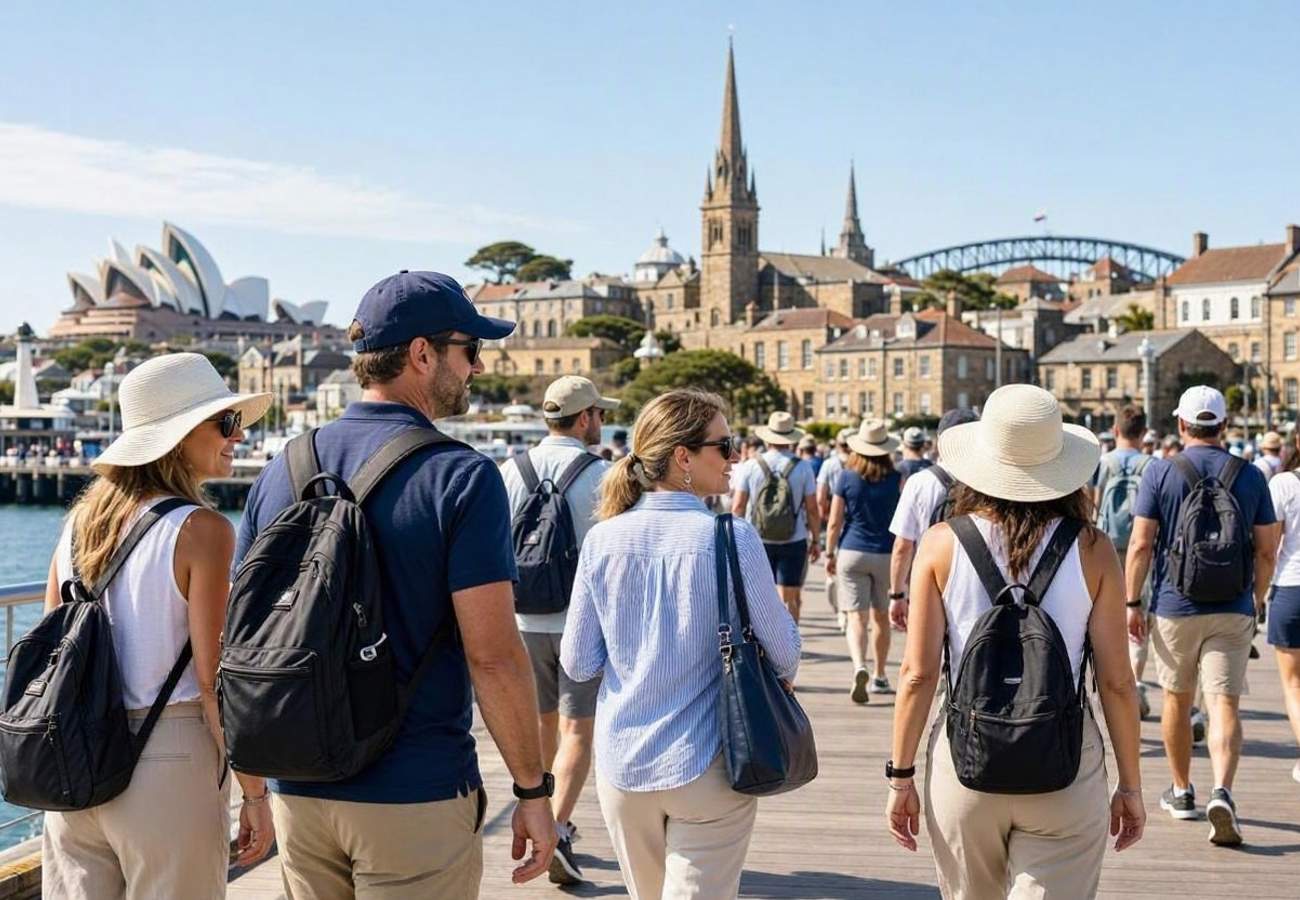
Image generated by AI
For decades, the vast majority of money spent by cruise passengers in Oceania never actually reached the towns they visited, instead leaking out through offshore tour monopolies and corporate commissions. Now, a strategic shift toward a "sovereign port-to-pavement" model is transforming the disembarkation process from a corporate funnel into an open gateway for independent local businesses.
The Death of the Extractive Shore Excursion
For over 30 years, the international cruise sector operated on an extraction-heavy model. Passengers were ushered off ships and immediately placed into chartered coaches, bypassing local high streets entirely to visit isolated attractions managed by global aggregators. This system ensured that shipboard commissions and foreign ticketing platforms captured the lion's share of the revenue, leaving coastal communities to deal with the traffic and environmental strain of thousands of visitors without seeing the financial reward.
The new framework being implemented across Australia and New Zealand rejects this. By creating municipal micro-transit loops and commission-free merchant coalitions, local governments are actively engineering foot-traffic corridors. The goal is to ensure that when a ship docks, the economic benefit stays within the municipal supply chain, increasing local employment and gross regional product.
Regional Blueprints for Passenger Dispersal
Different cities across Oceania are tailoring this model to their specific geography. While the goal is universal—getting passengers into independent shops—the execution varies by infrastructure.
Newcastle: The Transit Pipeline
The City of Newcastle in New South Wales has become a primary case study through its Passenger Experience Project. Rather than allowing passengers from ships like the Crown Princess to be whisked away to distant wine regions, the city established a dedicated shuttle loop. This pipeline connects the Visitor Information Centre directly to the intersection of Hunter Street and Watt Street. Here, visitors are deposited at the threshold of the East End, where a unified alliance of independent boutiques and specialty cafes awaits.
Hobart: The Two-Ship Rule
In Tasmania, TasPorts manages the Macquarie Wharf No. 2 Passenger Terminal with a strict "Two Cruise Ship Policy." By limiting simultaneous berthing to two vessels, the city prevents overcrowding and protects the public domain. On cruise days, Franklin Wharf is closed to vehicles, turning the quayside into a pedestrian esplanade that leads guests directly past Constitution Dock and into the historic sandstone warehouses of Salamanca Place.
Geelong: The Design Approach
In Victoria, the City of Greater Geelong utilizes its status as a UNESCO City of Design to channel passengers from the North Geelong terminal toward the Eastern Beach Reserve and the Geelong Botanic Gardens. This intermodal connection ensures that visitors engage with the city's architectural and natural assets rather than remaining in a corporate bubble.
Port Operational Comparison
| City | Primary Transit Method | Key Destination Hub | Crowd Control Mechanism |
|---|---|---|---|
| Newcastle | Continuous Shuttle Loop | East End (Hunter & Watt St) | Merchant Alliance Guides |
| Hobart | Pedestrian Esplanade | Salamanca Place | Two-Ship Berthing Limit |
| Geelong | Intermodal Wayfinding | Eastern Beach Reserve | UNESCO Design Framework |
Visitor Insider Tips
If you are arriving via cruise in 2026, avoid the pre-booked ship excursions and try these local alternatives:
- In Newcastle: Skip the coach tours. Take the municipal shuttle to the East End and use the QR codes at the terminal to find bundled promotions from independent boutiques.
- In Hobart: Time your walk from Franklin Wharf to Battery Point via the Kelly Steps. It is the most authentic way to see the city's Georgian architecture without the crowds.
- In Geelong: Head straight for the Eastern Beach Reserve sea baths. It is a local favorite and far more relaxing than the standard tour stops.
- General Etiquette: When visiting independent merchant collectives, remember that these businesses are often family-owned. Small gestures of patience during peak disembarkation hours go a long way.
Cultural and Environmental Context
The shift toward sovereign port models is as much about sustainability as it is about economics. By reducing the reliance on massive fleets of chartered coaches, cities are lowering the carbon footprint of the "last mile" of tourism. Furthermore, by integrating Indigenous cultural markers into urban design—as seen in the Macquarie Point Urban Design Framework—ports are moving away from generic tourism and toward a model that respects and showcases the actual heritage of the land. This transition allows local communities to reclaim their waterfronts, ensuring that tourism serves the city, rather than the city serving the cruise line.
FAQ: Visiting Oceania Ports 2026
What is the best time to visit these ports? The peak cruise season typically runs from October to March (Austral Summer). For fewer crowds, aim for the shoulder months of September or April.
Do I need a visa for New Zealand or Australia? Most visitors require an NZeTA for New Zealand and an ETA for Australia. These should be applied for electronically at least 72 hours before departure.
How do I get to the city center from the wharf? In Newcastle, use the dedicated Passenger Experience shuttle. In Hobart, the city center is a short, walkable pedestrian path from the terminal.
Is it safe for solo travelers? Yes, these ports are highly safe. The new "port-to-pavement" designs specifically increase pedestrian safety and provide clear, well-lit wayfinding for independent explorers.
Stop being a passenger and start being a guest.
Related Travel Guides
Disclaimer
This article is for informational and educational purposes only. It does not constitute legal, financial, or professional advice. While we strive to provide accurate and up-to-date information, travel policies, regulations, and conditions change rapidly. Always verify information with official sources before making travel decisions. Nomad Lawyer makes no representations about the accuracy, reliability, completeness, or suitability of the information provided. Readers should consult qualified professionals for advice specific to their circumstances. The views expressed in this article are those of the author and do not necessarily reflect the views of Nomad Lawyer.
Naina Thakur
Contributor & Travel Specialist
Travel enthusiast and legal writer covering visa regulations, responsible tourism, and cultural journeys across global destinations.
Learn more about our team →