
Abu Dhabi, United Arab Emirates Unveils 6,000-Capacity Dar Al Funoon Arts Mega Hub by 2030 and What Others Are Missing About the 365-Day Cultural Economy Strategy Transforming Saadiyat Island
Abu Dhabi unveils Dar Al Funoon, a 6,000-capacity arts hub on Saadiyat Island opening by 2030. Discover how the 365-day

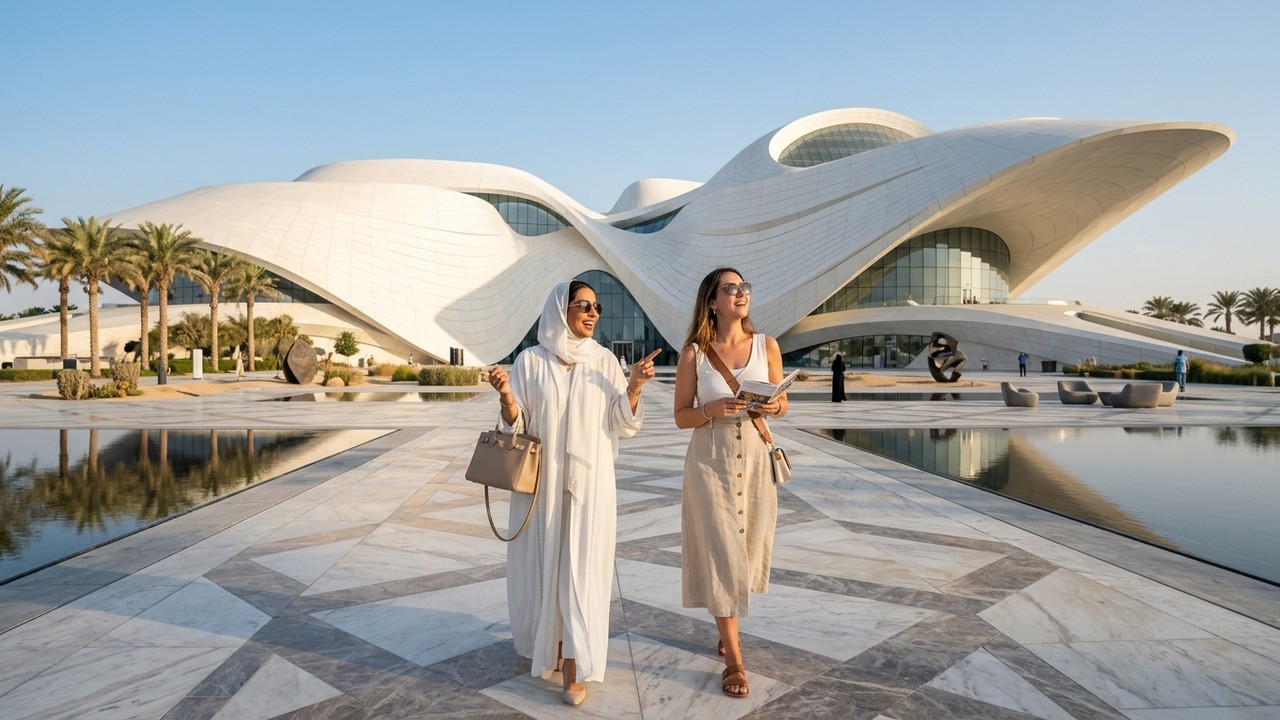
Image generated by AI
[Abu Dhabi, June 27, 2026] — Abu Dhabi has initiated construction on Dar Al Funoon, a massive performing arts complex on Saadiyat Island scheduled to open by 2030, featuring a total visitor capacity of over 6,000. The project represents a fundamental shift in the United Arab Emirates' cultural strategy, moving away from seasonal events toward a permanent, 365-day cultural economy.
A Strategic Pivot Toward Continuous Cultural Consumption
The development of Dar Al Funoon is managed by the Department of Culture and Tourism – Abu Dhabi. While the physical infrastructure is significant, industry observers indicate that the true innovation lies in the operational model. Unlike traditional global theaters that operate on seasonal cycles, this institution is engineered to maintain active programming every day of the year.
This transition from event-based tourism to a model of permanent cultural traffic is designed to stabilize revenue streams and ensure a consistent flow of international and domestic visitors. By creating a "continuous demand engine," the emirate aims to integrate the arts directly into its broader economic framework, impacting hospitality, transport, and the regional creative workforce.
Infrastructure Breakdown of the Dar Al Funoon Complex
The facility is not a single auditorium but a network of specialized venues designed to cater to diverse artistic disciplines. This variety allows the hub to host everything from massive international productions to intimate experimental works simultaneously.
The capacity and utility of the venues are detailed below:
| Venue Type | Capacity | Primary Purpose |
|---|---|---|
| Multipurpose Performance Hall | 2,000+ Seats | Major productions and large-scale events |
| Open-Air Amphitheatre | 3,500 Seats | Large-scale outdoor performances |
| Studio Theatre | 400 Seats | Experimental and emerging artistic works |
| Jazz Venue | 250 Seats | Niche musical performances and intimate sets |
| Total Combined Capacity | 6,000+ | Comprehensive Arts Hub |
Architectural Vision and the Influence of Frank Gehry
The design of Dar Al Funoon is the work of the late Frank Gehry, whose signature sculptural and fluid style defines the project. The building features a distinctive fabric-like exterior that cascades over the core structure, a design choice intended to evoke themes of openness and creative movement.
According to reports, the transparent façade is a deliberate attempt to remove the psychological and physical barriers between the performers and the audience. This architectural approach serves a dual purpose: it creates a world-class landmark and acts as a tool for cultural diplomacy. By commissioning such high-profile architecture, Abu Dhabi is effectively branding itself as a global creative capital, positioning its identity to compete with established cultural hubs in North America, Europe, and East Asia.
Saadiyat Island as a Cultural Economy Zone
The placement of the hub on Saadiyat Island is a calculated move to create a synergistic "cultural ecosystem." The island already hosts several major anchors, and Dar Al Funoon is designed to function as a critical node within this district rather than a standalone attraction.
The evolution of Saadiyat Island is transforming it into a specialized economic zone for the arts. This environment is expected to provide:
- Year-round performance opportunities for international touring companies.
- Structured residency programs for global artists.
- Collaborative spaces where local UAE talent can engage with international institutions.
- A distribution of tourism traffic that eliminates the "off-season" slump.
This strategy encourages longer visitor stays and repeat visits, shifting the traveler's experience from a brief stopover to an active participation in a living cultural economy.
Global Tourism Competition and the 2030 Deadline
The 2030 completion date is strategically aligned with global infrastructure and tourism expansion cycles. As the demand for immersive, high-value cultural experiences grows, Abu Dhabi is positioning itself to capture high-spending cultural travelers and secure its place on the international performance circuit.
Officials indicate that the goal is to establish a hybrid cultural pipeline. By combining global expertise with regional talent through co-productions and residencies, the city is creating a sustainable model of cultural export and import. This approach acknowledges that modern cultural tourism is no longer about passive sightseeing but is instead a participatory economy.
Why This Matters: The Shift to Culture-as-Infrastructure
The launch of Dar Al Funoon signals a departure from the traditional "museum and theater" model of urban development. Abu Dhabi is treating culture not as a luxury amenity or a form of entertainment, but as essential economic infrastructure.
By integrating a 6,000-seat capacity with a 365-day operational mandate, the UAE is pioneering a model where the arts drive permanent urban vitality. For the wider aviation and travel industry, this suggests a shift in demand patterns. The reliance on "peak seasons" for cultural travel may diminish as destinations create reasons for visitors to travel year-round.
Furthermore, the integration of the hub into the Saadiyat Cultural District—alongside institutions like the Guggenheim Abu Dhabi—creates a "cluster effect." This increases the "stickiness" of the destination, meaning tourists are likely to spend more time and capital within a single geographic zone. This model of "aggressive cultural investment" sets a new benchmark for how cities in the Middle East and beyond will compete for global influence and tourism revenue in the coming decade.
Related Travel Guides
Disclaimer
This article is for informational and educational purposes only. It does not constitute legal, financial, or professional advice. While we strive to provide accurate and up-to-date information, travel policies, regulations, and conditions change rapidly. Always verify information with official sources before making travel decisions. Nomad Lawyer makes no representations about the accuracy, reliability, completeness, or suitability of the information provided. Readers should consult qualified professionals for advice specific to their circumstances. The views expressed in this article are those of the author and do not necessarily reflect the views of Nomad Lawyer.
Preeti Gunjan
Contributor & Community Manager
A passionate traveller and community builder. Preeti helps grow the Nomad Lawyer community, fostering engagement and bringing the reader experience to life.
Learn more about our team →