
Vermont Reels Lost: Canadian Visitor Collapse Rivals State Population
Vermont reels lost hundreds of thousands of Canadian visitor trips since 2024, with cumulative declines approaching the state's 650,000-resident population. Travel analysts attribute the downturn to tariff disputes, exchange rates, and political tensions affecting 2026 tourism recovery.

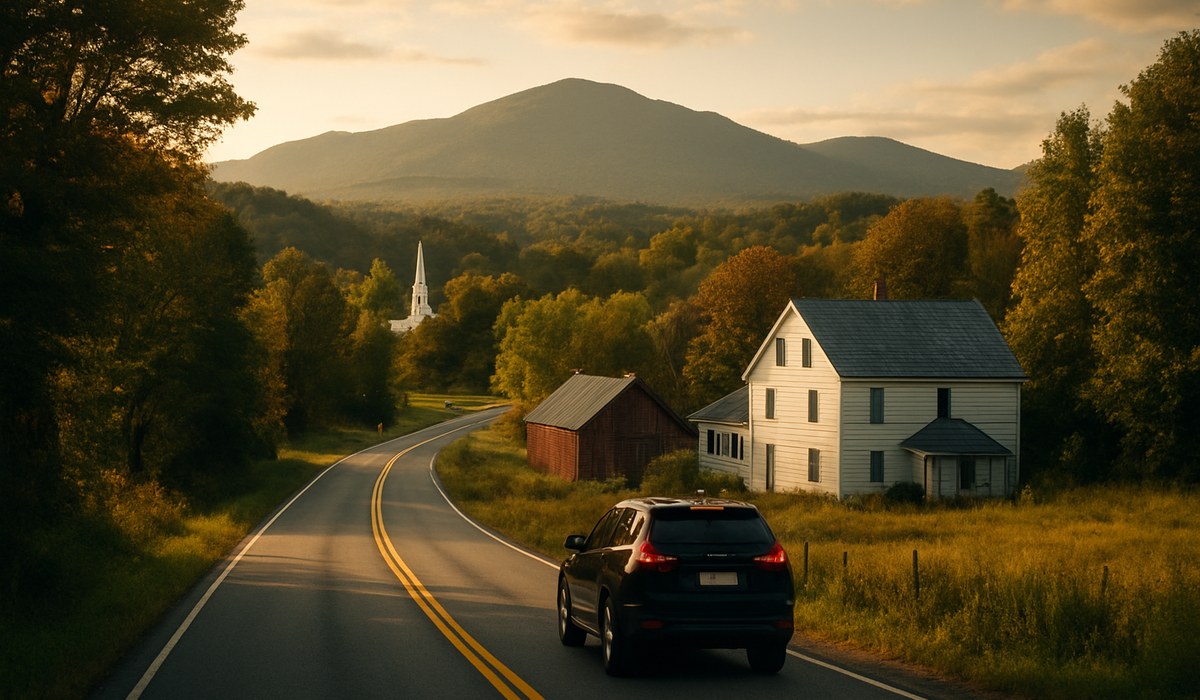
Image generated by AI
Vermont Reels Lost as Canadian Tourism Collapses Into Historic Downturn
Vermont is confronting an unprecedented tourism crisis. Border crossing data reveals Canadian visitation has collapsed so dramatically that cumulative trip losses since 2024 now approach Vermont's entire resident population of approximately 650,000 people. State agencies confirm that vehicle entries from Canada fell nearly 50 percent between 2024 and 2025 alone, with accumulated shortfalls measured in hundreds of thousands of individual border crossings. The downturn has already eliminated tens of millions in anticipated spending, particularly across rural border counties where cross-border retail and lodging revenue once anchored local economies.
Canadian Boycotts and Political Tensions Reshape Border Travel Dynamics
The shift from pandemic recovery optimism to sharp Canadian withdrawal began in early 2025. Trade tensions, new tariff measures, and comments from Washington describing Canada as a potential "51st state" triggered a coordinated travel boycott among Canadian consumers. Research presented to state tourism agencies in Canada indicates that political discomfort now ranks alongside currency exchange rates and fuel costs as primary barriers to U.S. travel. National tourism industry reports document sharp declines in Canadian visits across the entire United States, but Vermont—historically dependent on Quebec and Ontario residents—faces disproportionate harm. Surveys commissioned by Vermont's Department of Tourism reveal that travel intent among Canadian respondents has dropped far more steeply than for other international markets. Border delays and security screening, long-standing friction points, have intensified as negative perceptions shift trip-planning habits. Analysts warn that even if national tensions ease, rebuilding Canadian traveler confidence may require multiple years.
Lake Champlain Communities Face Steepest Revenue Losses
Towns along Vermont's northern corridor and Lake Champlain border region experience the harshest economic impact. Canadian credit card transactions in lodging and dining establishments have declined by more than 40 percent compared to pre-boycott baseline levels, according to state budget testimony. Visitor centers operating near the primary border crossings between the United States and Canada report double-digit declines in guest counts. Seasonal motels, campgrounds, and retail outlets throughout the Northeast Kingdom now describe thinner shoulder seasons and noticeably quieter downtown corridors than in prior decades. Published local coverage documents canceled group bookings, shortened stays, and reduced discretionary spending even among Canadians still willing to cross the border. Small business operators have responded with expanded discounts for Canadian dollar payments and targeted promotions around Quebec holiday calendars, yet these measures have proven insufficient to reverse broader downward trends. Regional economic observers emphasize that Vermont's tourism sector contributes nearly 10 percent of total state economic output—roughly three times the national average—making the Canadian withdrawal exceptionally destabilizing for communities with limited economic diversification.
Tourism's Outsize Role in Vermont's Economy Creates Cascading Impacts
State budget documents underscore how dramatically tourism concentrates wealth within Vermont's regional economies. Canadian visitors historically delivered outsized contributions to room nights and retail receipts in northern counties, often representing double-digit visitor shares during peak seasons. Recent 2025 summer visitation tracking shows only 5 to 7 percent of Vermont visitors now originate from Canada, down from established double-digit percentages earlier in the 2020s. Federal border-crossing statistics combined with tourism agency data illustrate the unprecedented scale of current disruption. Analysis published in regional travel publications notes that Vermont has effectively lost an entire year's worth of Canadian trips within a compressed timeframe, with gaps continuing to widen through early 2026. When cumulative border-crossing losses are converted into economic spending estimates, the shortfall translates into hundreds of millions of dollars across multi-year recovery horizons. Small towns dependent on predictable weekend traffic from Quebec license plates now confront structural business vulnerabilities and permanent staffing reductions.
Exchange Rates and Household Budget Constraints Amplify Boycott Effects
Beyond political messaging, Canadian travelers face genuine economic headwinds affecting discretionary travel spending. Unfavorable USD-CAD exchange rates have reduced purchasing power for cross-border trips, while rising fuel costs discourage longer driving distances. Research cited in state tourism presentations indicates that Canadian household budgets tightened substantially through 2025, creating lower tolerance for discretionary leisure spending abroad. Travel analysts note that the convergence of multiple negative factors—political tensions, currency disadvantage, fuel inflation, and heightened security friction—has created a near-perfect deterrent to Vermont visitation among price-sensitive Canadian households. Domestic vacation alternatives within Canada and competing international destinations offering better value propositions have absorbed destination choice away from New England. Industry forecasts suggest that Canadian travel spending patterns require a multi-year reorientation cycle, meaning Vermont cannot expect rapid recovery even if immediate political tensions subside. Businesses operating on thin margins throughout the state have begun restructuring around smaller, more volatile customer bases—a strategic pivot that risks permanent closures in communities with limited alternative revenue sources.
Federal Trade Policy and Interstate Tourism Coordination Shape Recovery Outlook
The Vermont Tourism Board and regional economic development agencies are coordinating response strategies with counterparts across New York, New Hampshire, and Maine. These border states collectively rely on Canadian visitation percentages that have declined in parallel with Vermont's experience. Federal tariff measures and trade policy frameworks established in Washington directly impact exchange rate volatility and Canadian consumer sentiment toward U.S. destinations, creating macroeconomic headwinds beyond state-level intervention. State legislators have requested increased federal coordination on trade negotiations that account for tourism sector impacts. Industry analysts recommend that Vermont invest in targeted Canadian-market recovery campaigns once national political climate stabilization occurs, though budget constraints continue limiting state-level marketing spending. Rebuilding Canadian visitation confidence will require sustained, multi-year messaging about border welcome initiatives and economic recovery investments demonstrating renewed commitment to cross-border relationships.
| Tourism Metric | 2024 Baseline | 2025 Recorded | Percent Change | 2026 Projection |
|---|---|---|---|---|
| Canadian Vehicle Border Crossings | 425,000 | 215,000 | -49.4% | 185,000-210,000 |
| Canadian Visitor Spending (USD millions) | $280 | $165 | -41% | $155-180 |
| Canadian Share of Total Vermont Visitors | 12.5% | 6.3% | -49.6% | 5.5-7% |
| Avg. Room Nights (Canadian Guests) | 2.8 | 1.6 | -42.9% | 1.4-1.8 |
| Border Lodging Credit Card Volume (CAD) | $42M | $25M | -40.5% | $24-28M |
| Small Town Retail Decline (Sample Communities) | Baseline | -37% to -43% | Variable | -35% to -42% |
What This Means for Travelers
Travelers planning U.S.-Canada border region trips should anticipate ongoing tourism infrastructure adjustments and potential seasonal service reductions through 2026. Here are concrete actions:
-
Book early and confirm availability — Popular seasonal accommodations in border towns may operate reduced hours or close entirely during traditionally busy periods due to lower Canadian demand pulling operating margins below sustainability thresholds.
-
Expect higher U.S. lodging rates — Establishments no longer banking on high Canadian volume may raise base rates for remaining visitors to compensate for reduced occupancy, offsetting historic Canadian-dollar discounts.
-
Plan for longer border crossing times — Enhanced security procedures and staffing reductions at understaffed crossings between the U.S. and Canada may extend wait times, particularly at peak weekend periods.
-
Consider visiting rural border communities directly — Small towns offering discounted rates and bilingual services remain viable destinations, though advance reservations are increasingly necessary as operators carefully manage inventory.
-
**Monitor currency exchange
Disclaimer
This article is for informational and educational purposes only. It does not constitute legal, financial, or professional advice. While we strive to provide accurate and up-to-date information, travel policies, regulations, and conditions change rapidly. Always verify information with official sources before making travel decisions. Nomad Lawyer makes no representations about the accuracy, reliability, completeness, or suitability of the information provided. Readers should consult qualified professionals for advice specific to their circumstances. The views expressed in this article are those of the author and do not necessarily reflect the views of Nomad Lawyer.
Kunal K Choudhary
Co-Founder & Contributor
A passionate traveller and tech enthusiast. Kunal contributes to the vision and growth of Nomad Lawyer, bringing fresh perspectives and driving the community forward.
Learn more about our team →