Heritage Shophouses vs. High-Rise Homestays: Inside Penang’s 20,000-Room Hospitality Showdown

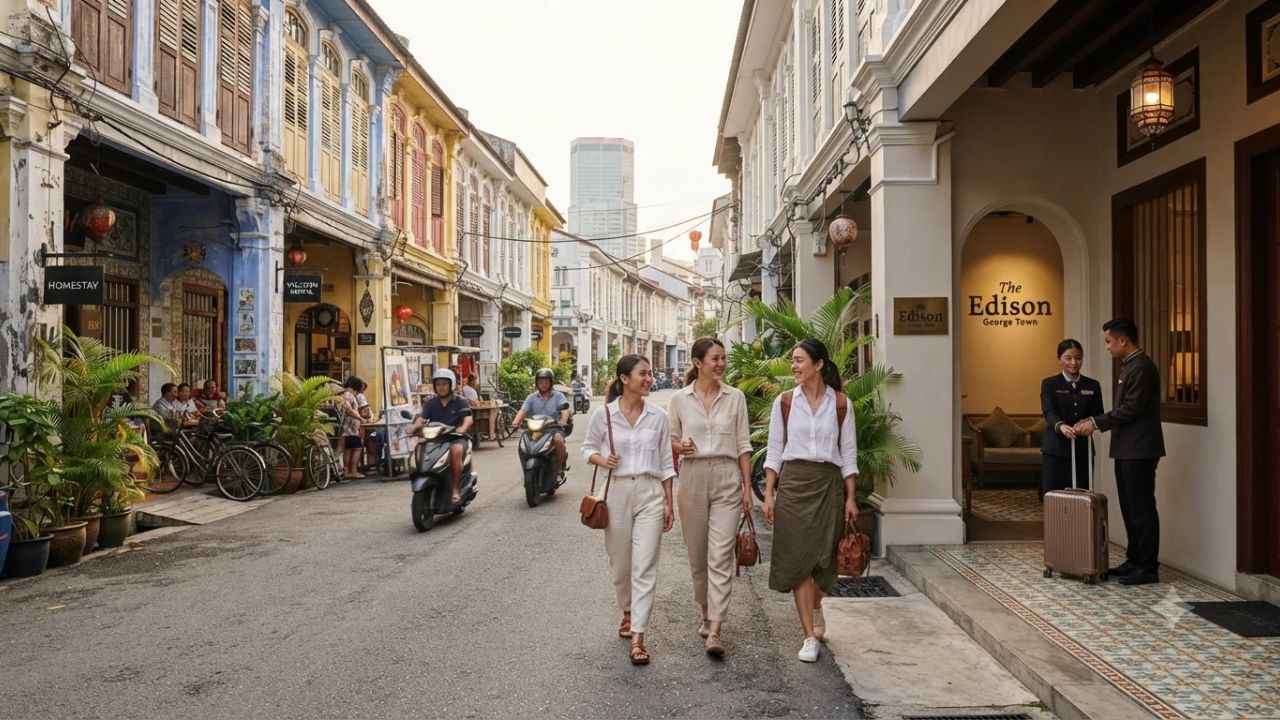
Image generated by AI
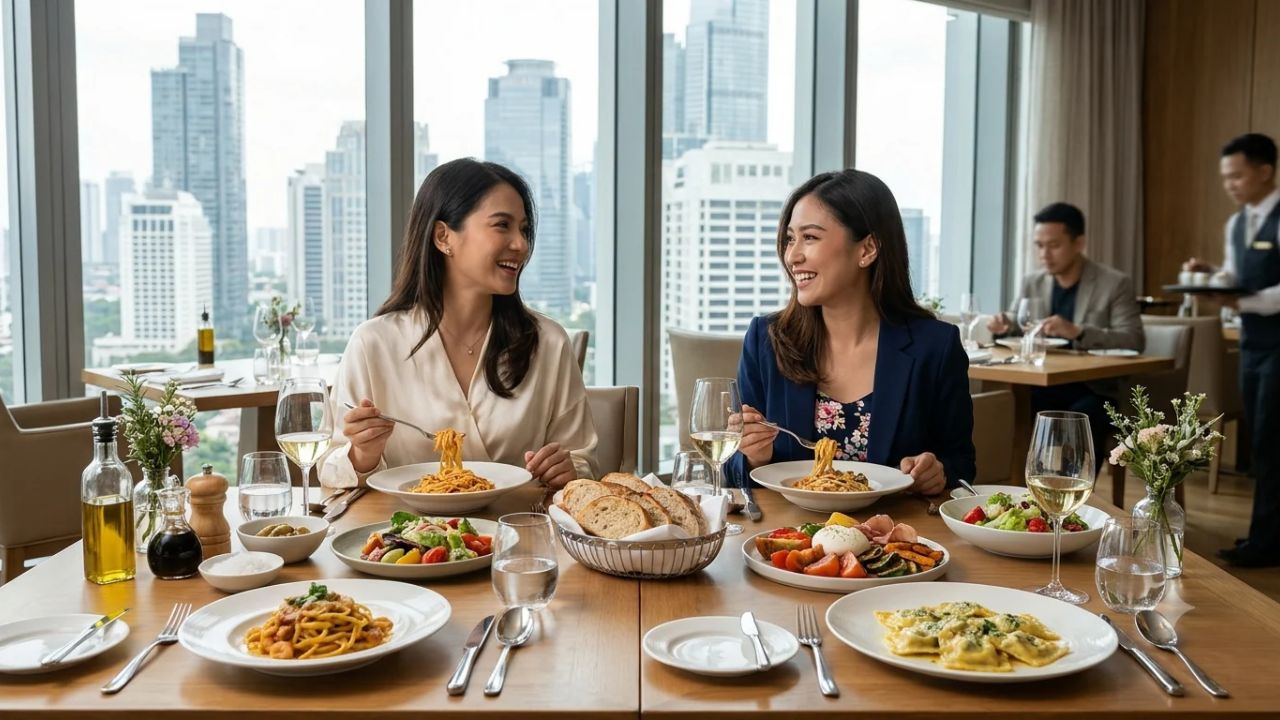
While international flight arrivals and tourist volumes into Penang continue breaking records, licensed hotels across the island are operating at an average occupancy of just 60 percent, sparking an urgent regulatory debate over thousands of unlicensed residential short-term rentals. With the island’s hospitality sector offering over twenty thousand registered commercial hotel rooms across hundreds of properties, established hoteliers are urging state authorities to enforce standardized fire safety, commercial taxation, and public security frameworks. As travelers increasingly gravitate toward private condominiums and converted heritage spaces, the pearl of the Orient faces a pivotal moment in balancing independent travel freedom with the preservation of its regulated tourism ecosystem.
The 20,000-Room Dilemma: Unregulated Rentals Reshape Island Tourism
The post-pandemic tourism resurgence has delivered strong passenger traffic to Penang International Airport (PEN), yet traditional hotel operators report that economic returns remain uneven. While luxury beachfront resorts along Batu Ferringhi and premier boutique residences recognized by the prestigious MICHELIN Guide hotel selection system continue drawing affluent travelers, mid-tier and family hotels face intense competition from short-term rental platforms.
The core challenge stems from structural operating inequalities:
- Regulatory and Safety Compliance: Licensed hotels must adhere to rigorous civil defense mandates, including certified commercial fire suppression sprinklers, marked emergency stairwells, 24-hour security staffing, and public liability insurance. Private high-rise homestays frequently operate without equivalent commercial safety inspections.
- Fair Economic Distribution: While passenger numbers expand, a significant portion of international arrivals utilize Penang as a secondary transit point or stay in private residential units, limiting the revenue flow into formal hospitality payrolls, municipal tourism taxes, and local service providers.
- Residential Quality of Life: In neighborhoods like Tanjung Tokong, Gurney Drive, and Bayan Lepas, local residents have voiced concerns regarding high-frequency tourist turnarounds, elevator congestion, and noise disturbances in residential strata-titled buildings.
Tourism stakeholders and Penang Global Tourism are actively advocating for a comprehensive, unified regulatory framework. By registering private vacation rentals, setting maximum rental night caps, and enforcing building management guidelines, the state aims to protect visitors while restoring fair competition for licensed operators.
What Makes Penang's Heritage Hospitality Market Different
Penang is world-renowned for its living cultural heritage, centered on the historic core of George Town—inscribed alongside Melaka as a UNESCO World Heritage site. Unlike purpose-built resort destinations, George Town’s charm lies in its five-foot ways, ornate clan jetties, Taoist temples, and Anglo-Indian colonial mansions.
The island’s accommodation offerings reflect this rich historical continuum:
- Restored Peranakan Heritage Mansions: Properties like the Cheong Fatt Tze Blue Mansion and boutique shophouse hotels along Muntri Street and Armenian Street allow visitors to sleep beneath original timber beams, central airwells, and antique Straits Chinese ceramic tiles.
- Coastal Beachfront Enclaves: Batu Ferringhi provides full-service coastal resorts offering water sports, seaside dining, and night market culture.
- Urban Food Corridors: Accommodations along Gurney Drive and Jalan Macalister place guests steps from legendary hawker stalls serving world-famous char kway teow, asam laksa, and cendol.
This diversity allows visitors exploring Tourism Malaysia to choose between intimate heritage immersions and modern seaside luxury, provided they choose accommodations that respect local residential communities.
Visitor Insider Tips for Choosing Stays and Experiencing Penang
Navigating Penang’s accommodation sector requires practical local insights:
- Check Strata By-Laws Before Booking Private Condos: Many residential condominium management corporations in Penang strictly prohibit daily short-term rentals. To avoid being denied entry by building security guards upon arrival, confirm whether your host holds legitimate operational permits.
- Base Yourself Inside the UNESCO Zone for Walkability: Staying at a licensed heritage boutique hotel in central George Town (such as on Chulia Street, Love Lane, or Beach Street) allows you to explore street art murals, coffee roasteries, and morning wet markets entirely on foot or by traditional trishaw.
- Avoid Weekend Traffic Bottlenecks on Jalan Batu Ferringhi: The winding two-lane coastal road connecting George Town to Batu Ferringhi experiences heavy traffic jams on Friday and Sunday evenings. Plan coastal transit during midday hours to save transit time.
- Engage with Licensed Heritage Guides: When touring historic clan associations like the Khoo Kongsi, hire an accredited local heritage guide to understand the intricate genealogical carvings and architectural symbolism that define Straits settlement history.
Cultural, Community, and Urban Context of George Town's Tourism Living Heritage
The friction between short-term rentals and licensed hotels is tied directly to the preservation of George Town’s social fabric. When residential shophouses and apartment buildings convert unchecked into tourist accommodation, long-term local residents, traditional craftsmen, and family-run sundries shops face rising rents and gentrification pressures.
Preserving the authentic soul of Penang requires supporting businesses that invest in the local community. Regulated hotels contribute to local employment, provide career training for hospitality graduates, and adhere to heritage conservation guidelines that protect antique timber structures from improper architectural modifications.
By choosing accredited, licensed boutique hotels and sustainable heritage lodgings, international travelers contribute directly to the living heritage of Penang, ensuring that traditional trades, neighborhood street food vendors, and centuries-old cultural communities continue to thrive.
FAQ: Visiting Penang and Booking Accommodations in 2026
What is the current average hotel occupancy rate in Penang?
Licensed hotels in Penang report an average occupancy rate of approximately 60 percent in recent months, despite rising passenger arrival numbers.
How many commercial hotel rooms are available in Penang?
Penang offers more than 20,000 registered hotel rooms across hundreds of commercial accommodation properties, ranging from luxury resorts to heritage boutique hotels.
Are private short-term rentals permitted in all Penang apartments?
No. Many residential condominium buildings in Penang have enacted strict building management rules prohibiting daily short-term rentals to protect resident security and privacy.
Which area is best to stay in Penang for first-time visitors?
Central George Town within the UNESCO World Heritage buffer zone is ideal for heritage and food lovers, while Batu Ferringhi is best for travelers seeking beachfront relaxation.
Related Travel Guides
This article is for informational purposes. Flight routes, passenger regulations, visa rules, and transit advisories are subject to change by airlines and aviation authorities. Readers are advised to verify schedules and travel documentation with relevant carriers and border agencies before departure.
Related Stories
Hello Penang 2026 Campaign Targets 10,000 Room Bookings with RM20 Hotel Discounts
Anantara Veli Maldives Resort Launches Michelin Star Guest Chef Series for 2026 Luxury Season