Frontier Airlines Flight Aborts Takeoff After Striking Pedestrian on Denver Runway, Engine Fire Forces Emergency Evacuation

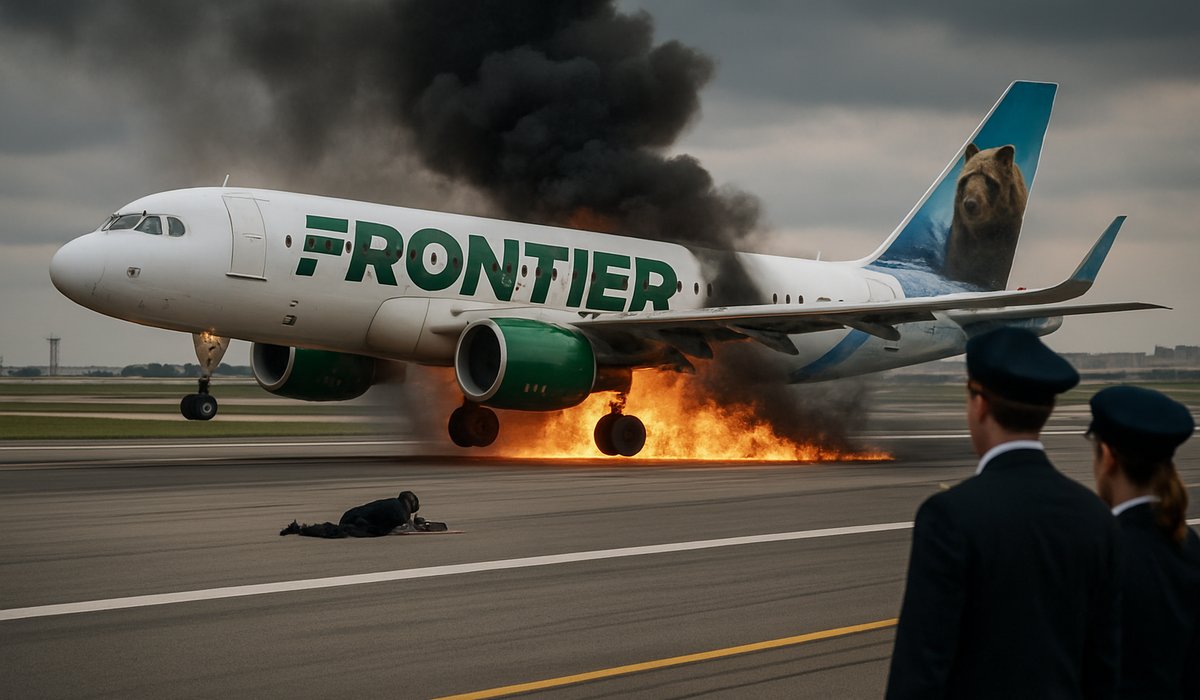
Image generated by AI
Critical safety incident at major U.S. hub raises questions about airfield security protocols
Incident Details
A Frontier Airlines aircraft was forced to execute an emergency evacuation Friday night at Denver International Airport after striking a person during its takeoff roll down Runway 17L. The collision triggered an engine fire that quickly filled the cabin with smoke, prompting pilots to immediately abort the departure and bring the jet to a controlled stop on the tarmac.
The individual, who was found wandering across the active runway, was struck during the aircraft's acceleration phase—one of the most critical and time-sensitive moments of flight operations. Emergency crews responded rapidly to the scene as passengers and crew evacuated the stricken aircraft.
Safety Implications and Response
The incident raises serious concerns about perimeter security and ground operations protocols at one of America's busiest aviation hubs. Denver International Airport, which handles more than 60 million passengers annually, faces mounting scrutiny following the unauthorized runway intrusion.
Federal Aviation Administration investigators have launched a formal inquiry into how an individual gained access to an active runway during flight operations—a violation that typically requires multiple layers of security containment. The engine fire, secondary to the collision itself, underscores the catastrophic potential when foreign objects or obstacles interfere with aircraft during takeoff operations.
Emergency personnel successfully extinguished the engine fire before it compromised structural integrity or caused secondary damage to the aircraft. All passengers and crew members evacuated safely, though officials have not disclosed whether anyone sustained injuries during the incident or evacuation process.
Industry Context
This occurrence highlights persistent challenges facing major commercial airports in maintaining secure airfield environments. Runway incursions—whether vehicular or pedestrian—represent one of aviation's most serious safety threats, particularly during sensitive flight phases when pilots have limited reaction time and aircraft are at maximum weight and vulnerability.
The incident comes as the aviation industry continues recovery operations following pandemic-related disruptions, with increased passenger volumes placing additional pressure on airport infrastructure and security systems.
Investigation Ongoing
Federal authorities are examining circumstances that permitted runway access, with particular focus on perimeter controls and monitoring systems. Frontier Airlines has cooperated fully with investigators and has not released statements regarding operational impacts or passenger compensation.
The FAA declined to comment on specific findings but confirmed that runway safety protocols were being reviewed across the airport's operational procedures.
FAQ: Understanding Runway Safety and Airport Security
Q: How do pedestrians gain access to active runways at major airports? A: Runway incursions typically result from breaches in perimeter fencing, unauthorized vehicle access, or failures in ground control monitoring. Most major hubs employ multiple redundant security layers, though vulnerabilities remain.
Q: What are the dangers of takeoff-phase collisions for aircraft? A: Takeoff is aviation's highest-risk phase. Aircraft carry maximum fuel and cargo weight, have limited maneuverability, and pilots cannot safely abort at high speeds. Collisions can damage landing gear, engines, and hydraulic systems.
Q: How common are runway incursions at U.S. airports? A: The FAA tracks hundreds of incursion incidents annually, though fatal collisions remain extremely rare due to redundant safety systems and rapid emergency response protocols.
Q: What happens to passengers after emergency evacuations? A: Airlines typically provide rebooking on alternate flights, accommodation, and meals. Additional compensation may apply under DOT regulations depending on incident classification and cause.
Q: Can engine fires during ground operations spread to the fuselage? A: Modern aircraft feature advanced fire suppression systems and compartmentalized engine design. Ground-based firefighting resources typically contain engine fires before cabin involvement occurs.
Related Travel Guides
This article is for informational purposes. Flight routes, passenger regulations, visa rules, and transit advisories are subject to change by airlines and aviation authorities. Readers are advised to verify schedules and travel documentation with relevant carriers and border agencies before departure.
Related Stories

easyJet Launches Direct Liverpool to Reykjavik Flights: Inside the North West's New Winter Gateway to Iceland

British Airways Revives Long-Haul Meal Pre-Orders on Las Vegas Flights: Inside the World Traveller Plus Dining Trial