
Pakistan Hosts Saudi, Turkish, Egyptian Diplomats Amid Iran Tensions 2026
Pakistan hosts major diplomatic summit with Saudi, Turkish, and Egyptian officials as regional tensions escalate. US-Iran mediation efforts intensify in Islamabad during March 2026.

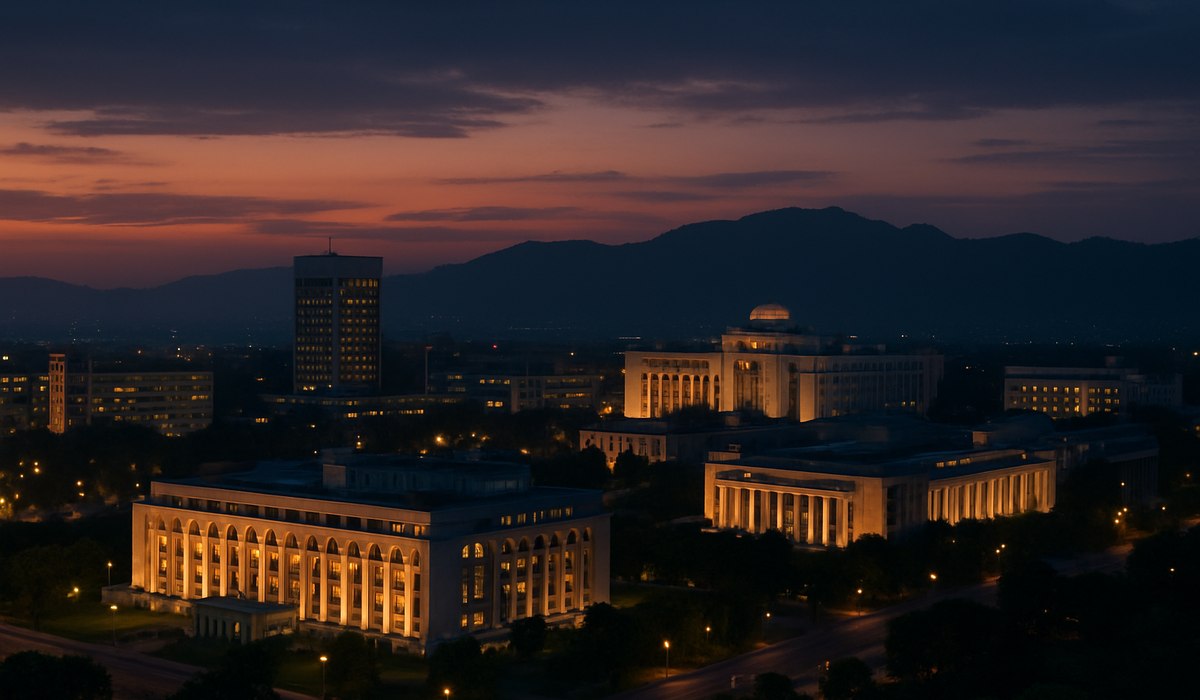
Image generated by AI
Pakistan Emerges as Critical Diplomatic Hub Amid Regional Crisis
Pakistan hosts senior diplomats from Saudi Arabia, Turkey, and Egypt in Islamabad as escalating Iran tensions reshape Middle Eastern geopolitics. The emergency summit brings together regional power brokers while the United States intensifies mediation efforts. Pakistan's strategic location and diplomatic relationships position the nation as a neutral ground for high-stakes negotiations that could influence travel stability, visa policies, and business operations across the region.
Pakistan's Diplomatic Gambit: Hosting Regional Powers
Pakistan strategically positions itself as the Middle East's neutral mediator by convening simultaneous talks with competing regional interests. The Pakistani government has leveraged its historical relationships with both Sunni and Shia-majority nations to create a diplomatic platform in Islamabad. This approach echoes Pakistan's Cold War neutrality strategy and reflects contemporary efforts to prevent regional destabilization. Pakistani officials recognize that hosting these delegations strengthens their international standing while addressing immediate security concerns affecting South Asian stability.
The choice of Islamabad as the summit venue signals confidence in Pakistan's ability to manage sensitive negotiations. State Department representatives have reportedly coordinated with Pakistani counterparts to ensure productive dialogue. This diplomatic initiative could establish precedent for future multilateral talks in South Asia, potentially reshaping how regional disputes are resolved outside traditional UN frameworks.
What Triggered the Emergency Talks in Islamabad
Escalating military posturing between Iran and multiple regional actors has forced urgent diplomatic intervention. Recent developments have created unprecedented tension across the Persian Gulf and Arabian Sea shipping lanes. Turkey, Saudi Arabia, and Egypt each face distinct security concerns related to Iranian activities and regional proxy conflicts.
The Turkish government worries about Iranian influence in Syria and potential destabilization of NATO's southeastern flank. Saudi Arabia continues addressing Houthi missile attacks attributed to Iranian backing. Egypt faces security challenges in the Sinai Peninsula and concerns about Iranian activities near the Suez Canal. These converging crises explain why Pakistan hosts Saudi, Turkish, and Egyptian delegations simultaneously, allowing comprehensive negotiations addressing multiple stakeholder concerns.
US involvement reflects Washington's commitment to preventing broader regional conflict. American mediators aim to establish dialogue channels that reduce miscalculation risks. The timing coincides with increased naval deployments in the Arabian Sea and heightened intelligence sharing among Gulf Cooperation Council members.
The US-Iran Mediation Role and Regional Stakes
United States diplomatic engagement represents the highest-stakes element of Pakistan's mediation initiative. American officials seek to prevent direct military escalation while preserving Washington's security commitments to Gulf allies. The mediation strategy relies on Pakistan's credibility with Tehran, which maintains complex but functional diplomatic relations with Islamabad.
International observers note that successful mediation could establish the groundwork for broader regional dialogue. A breakdown in these talks risks military escalation affecting global oil markets and international shipping. The Strait of Hormuz remains critical to worldwide energy supplies, making any Iran-related military action economically significant far beyond the Middle East.
Pakistan's role as mediator enhances its geopolitical importance and potentially secures additional US security assistance. Pakistani officials understand that successful conflict prevention serves national interests while raising Pakistan's profile among Western nations. Turkey and Saudi Arabia similarly benefit from diplomatic solutions that preserve their strategic positions without costly military engagements.
Implications for Travel and Business in the Region
Regional instability directly impacts travelers, aviation schedules, and business operations across the Middle East and South Asia. Pakistan hosts Saudi, Turkish, and Egyptian officials partly to prevent travel disruptions affecting millions of annual tourists and business professionals.
Travel Route Disruptions: Direct flights between Gulf capitals and Turkish hubs face potential cancellations if tensions escalate. Airlines operating regional routes have already increased fuel surcharges anticipating possible shipping lane disruptions. Travelers should expect potential delays and rerouting via longer international flight paths if military action occurs.
Visa Processing Delays: Diplomatic crises typically delay visa processing at affected embassies. Professionals planning Middle Eastern business travel should submit applications immediately rather than waiting for clarity. Pakistani consulates in major cities remain operational despite heightened diplomatic activity.
Tourism Forecast: Popular destinations including Egypt, Turkey, and Saudi Arabia may experience booking reductions if regional news coverage intensifies. Heritage sites in Cairo, Istanbul, and Riyadh remain accessible under current conditions, but travelers should monitor official travel advisories daily.
Currency Fluctuations: Regional instability typically weakens currencies against major trading partners, affecting purchasing power and accommodation costs. The Pakistani Rupee, Turkish Lira, and Egyptian Pound may experience volatility in coming weeks.
Regional Diplomatic Developments Reference Table
| Diplomatic Factor | Current Status | Travel Impact | Timeline |
|---|---|---|---|
| Pakistan hosts Saudi delegation | Active summit | Visa delays possible | March 29 onwards |
| Turkish representation in talks | Confirmed attendance | Istanbul flights stable | March 29 onwards |
| Egyptian diplomatic involvement | Priority delegation | Suez Canal shipping safe | March 29 onwards |
| US mediation efforts | Intensive engagement | Heightened security screening | Ongoing |
| Iran communication channels | Functional through Pakistan | Minimal tourist access changes | March-April 2026 |
| Regional military posture | Elevated but controlled | Port operations normal | Current phase |
What This Means for Travelers
The diplomatic summit unfolding in Islamabad affects travelers across multiple dimensions. Here's how to navigate current regional conditions:
-
Monitor official travel advisories daily from your government's travel safety agency. Conditions can change rapidly based on diplomatic progress, so verify information 24 hours before departure.
-
Book flights through major hub cities rather than direct routes through potential conflict zones. Carriers operating Istanbul, Dubai, and Delhi hubs offer greater scheduling flexibility if cancellations occur.
-
Secure travel insurance with political unrest coverage before departing for regional destinations. Standard policies may exclude claims related to diplomatic crises, so review terms carefully.
-
Expect enhanced security screening at airports in affected countries. Allow extra time for check-in and cleared-person verification. Middle Eastern airports have implemented additional screening protocols since tensions elevated.
-
Maintain flexibility in booking accommodations near political centers. Hotels in Cairo, Ankara, and Riyadh remain fully operational, but downtown districts may experience temporary access restrictions during peak diplomatic moments.
-
Download offline maps and communication apps that function without relying on local cellular networks. WhatsApp, Telegram, and offline Google Maps provide backup communication if internet disruptions occur.
Frequently Asked Questions
Q: Will flights between Pakistan and Middle Eastern countries be cancelled?
A: Current conditions do not warrant flight cancellations. Airlines continue normal operations from Islamabad, Karachi, and Lahore to Gulf destinations. However, travelers should check with their carriers for potential schedule adjustments as the situation develops over coming weeks.
Q: Is it safe to travel to Egypt and Turkey right now?
A: Both countries remain open to international tourists. Current diplomatic activities focus on government-level negotiations rather than public safety incidents. Standard travel precautions apply. Verify current advisories from your national government before booking.
Q: How will US-Iran mediation affect visa processing?
A: Visa processing timelines may extend slightly as embassy staff prioritize diplomatic cable communications. Travelers should submit applications with additional lead time. Emergency visa services remain available through expedited programs at most Middle Eastern consulates.
Q: Could oil prices increase from these tensions?
A: Potential shipping disruptions near the Strait of Hormuz could elevate crude oil prices. This affects fuel surcharges on international flights. Business travelers should anticipate higher airfare costs if mediation talks stall over the next month.
Related Travel Guides
Disclaimer
This article is for informational and educational purposes only. It does not constitute legal, financial, or professional advice. While we strive to provide accurate and up-to-date information, travel policies, regulations, and conditions change rapidly. Always verify information with official sources before making travel decisions. Nomad Lawyer makes no representations about the accuracy, reliability, completeness, or suitability of the information provided. Readers should consult qualified professionals for advice specific to their circumstances. The views expressed in this article are those of the author and do not necessarily reflect the views of Nomad Lawyer.
Raushan Kumar
Founder & Lead Developer
Full-stack developer with 11+ years of experience and a passionate traveller. Raushan built Nomad Lawyer from the ground up with a vision to create the best travel and law experience on the web.
Learn more about our team →