
Oregon Tourism Impact Hits $14.6 Billion in 2025: Record Spending and 123,000 Jobs
Oregon’s tourism industry generated $14.6 billion in direct spending in 2025, supporting 123,000 jobs and driving economic resilience across the state's urban and rural hubs.

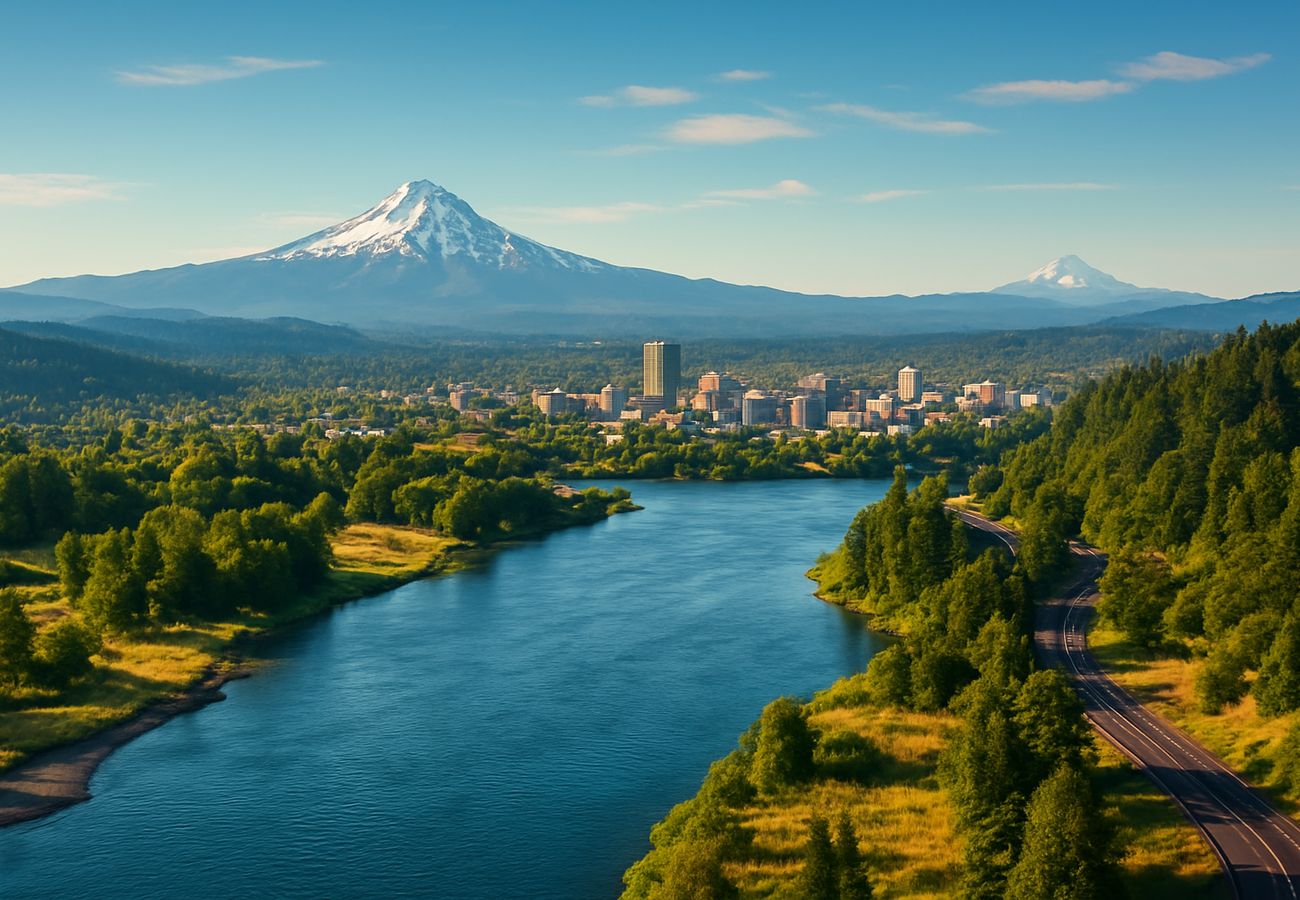
Image generated by AI
Quick Summary
- Economic Record: Direct travel spending in Oregon totaled $14.6 billion in 2025, a critical driver for both urban and rural economies.
- Employment Hub: The tourism sector supports nearly 123,000 jobs across the state, spanning hospitality, food services, and outdoor recreation.
- Domestic Surge: High domestic travel volume successfully offset a slowdown in international visitation caused by global geopolitical tensions.
- Regional Growth: Portland saw increased hotel bookings in the Pearl District, while Bend and the Oregon Coast experienced record adventure tourism spending.
- Community ROI: Tourism-generated tax revenue is being reinvested into public infrastructure, including state parks, transportation, and museums.
- Resilience Factor: Despite inflation and cost-of-living increases, Oregon’s natural landscapes and wineries remain top-tier destination choices.
The Oregon tourism industry solidified its position as a primary economic powerhouse in 2025, delivering an astonishing $14.6 billion in direct travel spending. According to the latest Economic Impact of Tourism Report from Travel Oregon, the sector continues to sustain over 123,000 jobs, providing essential income and business opportunities for communities from the high desert of Bend to the rugged cliffs of Cannon Beach. While global geopolitical tensions have tempered international arrivals, the state has witnessed a domestic travel boom, with Americans flocking to Oregon’s world-class wineries, urban cultural hubs, and iconic natural landmarks like Crater Lake. This surge in spending has provided state and local governments with vital tax revenue, which is currently being funneled back into public services and infrastructure. As the industry navigates the challenges of a 2026 affordability crisis, its commitment to sustainability and digital marketing ensures that tourism remains a bedrock of Oregon’s economic resilience and overall quality of life.
Oregon Tourism 2025: Economic Impact, Job Growth, and Regional Hubs
The following table summarizes the quantitative performance and regional highlights of Oregon’s tourism sector for the 2025 reporting cycle.
| Category | 2025 Data Point / Metric | Economic Significance |
|---|---|---|
| Direct Travel Spending | $14.6 Billion | Sustains businesses in both urban & rural zones |
| Total Jobs Supported | 123,000 | Critical engine for hospitality & recreation |
| Portland Hub | Pearl District & Old Town | High foot traffic and hotel occupancy growth |
| Adventure Capital | Bend (Central Oregon) | Record spending on hiking, skiing, & biking |
| Coastal Impact | Cannon Beach & Oregon Coast | Vital source of rural job creation |
| Tax Revenue Usage | Infrastructure & Public Parks | Direct reinvestment into community amenities |
| Growth Drivers | Domestic Travel & Wineries | Offset global international travel fluctuations |
| Primary Challenges | Inflation & Cost-of-Living | Requires adaptive marketing & digital strategies |
A Resilient Powerhouse: Oregon’s $14.6 Billion Tourism Milestone
The $14.6 billion impact reflects a high level of consumer confidence in Oregon’s travel products:
- Bedrock Economy: Tourism is recognized by state leaders as a foundational industry that powers growth for both major metropolitan areas and small coastal towns.
- Business Opportunity: The sector fuels a massive network of small businesses, from boutique wineries to outdoor gear rentals and artisanal restaurants.
- Resilience through Challenge: The industry has remained robust despite broader economic headwinds like the national affordability crisis.
Domestic Dominance: How Local Travelers Bridged the International Gap
While international markets faced disruptions, domestic interest in Oregon reached new heights:
- Western Travel Trends: Oregon has captured a significant share of travelers from neighboring states seeking outdoor adventure and cultural richness.
- The "Staycation" Effect: Increased spending from local Oregonians exploring their own state has provided a consistent revenue stream for regional hubs.
- Market Diversification: Digital marketing efforts have successfully expanded Oregon’s reach into untapped domestic demographics.
Regional Spotlights: Portland’s Urban Vibrancy and Bend’s Adventure Boom
Tourism success is distributed across diverse geographic regions:
- Portland: The state’s largest city saw a resurgence in its hospitality sector, with restaurants and bars in the Pearl District and Old Town reporting growing revenues.
- Bend: Continuing its reign as a premier outdoor destination, Bend saw record spending on adventure tourism, including winter sports in the Cascades.
- Rural Resilience: Coastal communities like Cannon Beach have used tourism spending to enhance local amenities and support year-round employment for residents.
Supporting the Workforce: 123,000 Jobs in Hospitality and Recreation
The human impact of the $14.6 billion figure is centered on job creation:
- Broad Employment: Jobs are not limited to hotels but extend into the broader retail, transportation, and food service industries.
- Essential Income: For many rural Oregonians, tourism provides the primary source of household income and local business stability.
- Workforce Development: Continued growth is driving new investments in training for the hospitality and service sectors.
Community Investment: Reinvesting Tourism Revenue into Public Services
The economic benefits of travel extend directly into the lives of everyday Oregonians:
- Infrastructure Funding: Tax revenues from visitor spending help maintain the state’s world-class transportation networks and public parks.
- Cultural Support: Funding for museums, art galleries, and cultural institutions is largely supported by the influx of tourism dollars.
- Enhanced Quality of Life: By providing better amenities for visitors, the state simultaneously improves the services available to local residents.
Challenges and Adaptation: Navigating the 2026 Affordability Crisis
The industry is proactively addressing emerging economic obstacles:
- Cost Management: Tour operators and hotels are finding innovative ways to offer value despite rising costs of living.
- Sustainability Focus: Oregon is positioning itself as a leader in regenerative travel, attracting eco-conscious visitors who prioritize environmental health.
- Digital Transformation: Advanced data analytics are being used to target high-intent travelers and optimize regional tourism collaborations.
Conclusion: Oregon’s Natural and Cultural Appeal as an Economic Engine
Ultimately, the $14.6 billion generated by Oregon’s tourism sector in 2025 underscores the enduring power of the state’s natural beauty and urban vibrancy. By supporting 123,000 jobs and funding essential public services, travel has proven to be a vital component of Oregon’s economic resilience. As the state continues to adapt to global travel shifts and economic challenges, its commitment to sustainability and high-quality visitor experiences ensures that Oregon will remain a top-tier global destination for years to come.
FAQ: Oregon Tourism Economic Impact 2025
How much did tourism contribute to Oregon’s economy in 2025? Tourism generated $14.6 billion in direct spending, marking a significant year for the state’s economic growth.
Which regions in Oregon saw the most tourism growth? Portland (urban culture), Bend (adventure tourism), and the Oregon Coast (scenic travel) were the primary drivers of growth in 2025.
How does tourism spending benefit local residents? Tax revenue from tourism is reinvested into public services like state parks, transportation infrastructure, museums, and community development projects.
Related Travel Guides
Disclaimer
This article is for informational and educational purposes only. It does not constitute legal, financial, or professional advice. While we strive to provide accurate and up-to-date information, travel policies, regulations, and conditions change rapidly. Always verify information with official sources before making travel decisions. Nomad Lawyer makes no representations about the accuracy, reliability, completeness, or suitability of the information provided. Readers should consult qualified professionals for advice specific to their circumstances. The views expressed in this article are those of the author and do not necessarily reflect the views of Nomad Lawyer.
Kunal K Choudhary
Co-Founder & Contributor
A passionate traveller and tech enthusiast. Kunal contributes to the vision and growth of Nomad Lawyer, bringing fresh perspectives and driving the community forward.
Learn more about our team →