
Oman and Turkey Lead Diplomatic Push to De-escalate US-Iran Tensions Amid 2026 Red Sea Maritime Crisis
Oman and Turkey coordinate urgent diplomatic efforts to prevent US-Iran escalation as a renewed Yemen-Red Sea crisis threatens global shipping, aviation connectivity, and Gulf tourism stability.

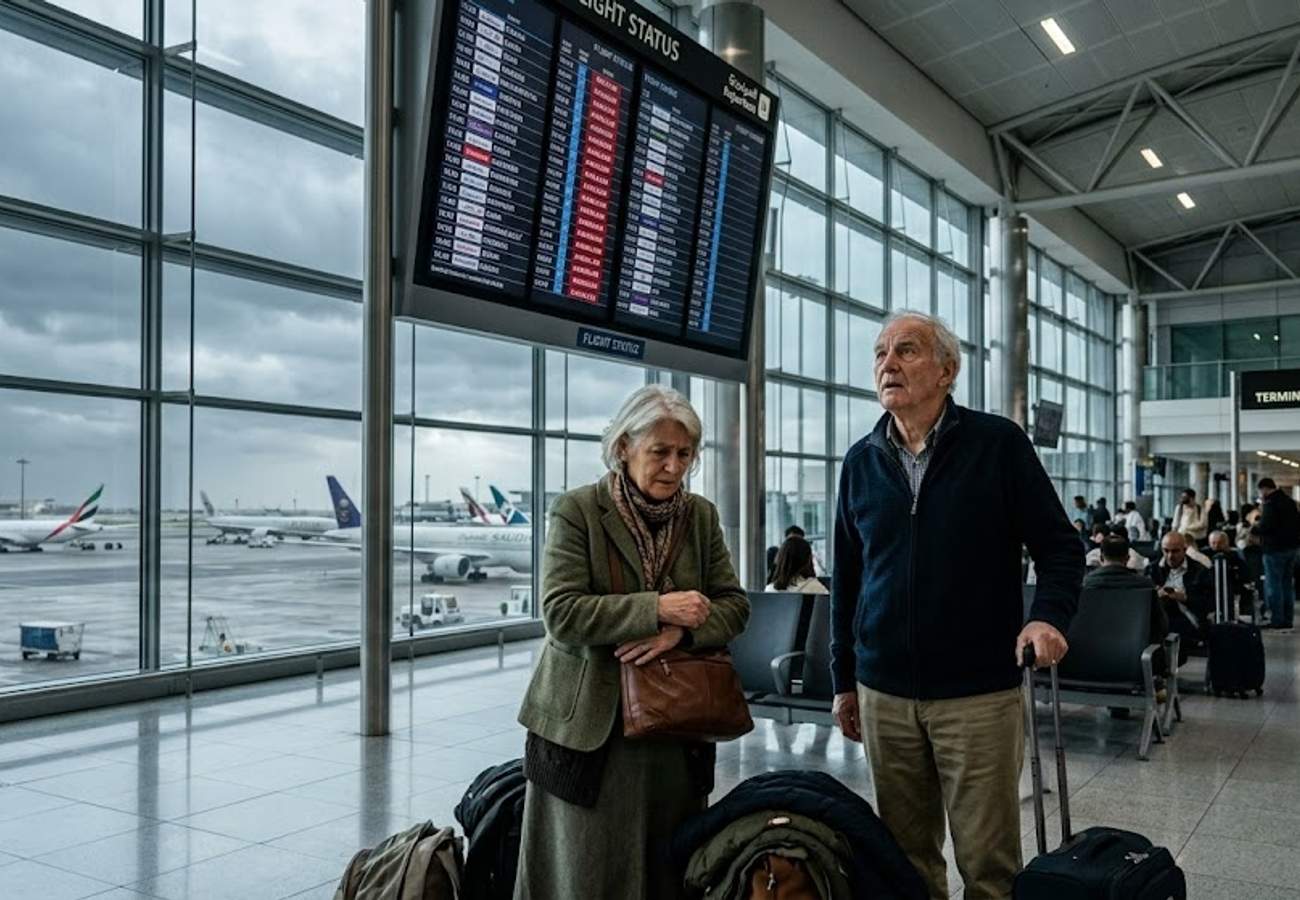
Image generated by AI
Diplomatic efforts by Oman and Turkey have intensified to prevent a direct confrontation between the United States and Iran. A renewed crisis in Yemen and the Red Sea is currently threatening the stability of global maritime trade and international travel corridors.
The diplomatic surge comes as Oman coordinates with Saudi Arabia, Yemeni political factions, and international stakeholders to revive a political roadmap for Yemen. The primary objective is to prevent the Red Sea from becoming a flashpoint that could paralyze navigation, disrupt aviation networks, and erode traveler confidence across the Middle East.
Regional Disruption and Security Breakdown
The current instability centers on the Bab el-Mandeb Strait and the Red Sea, critical arteries for global commerce and tourism. Our analysis indicates that the risk of escalation between Washington and Tehran could trigger a domino effect across Iraq, Yemen, and the wider Gulf region.
The following sectors are currently facing heightened risk profiles:
- Maritime Shipping: Increased probability of rerouting, significant transit delays, and rising operational costs for commercial vessels.
- Aviation Connectivity: Heightened monitoring of regional air corridors; potential for airspace closures or diversions if military activity increases.
- Cruise Tourism: High risk of itinerary changes and cancellations for cruises operating in or near the Red Sea and Suez Canal.
- Global Trade: Supply chain pressure due to the strategic importance of the Suez Canal for Asia-Europe trade.
Impact Analysis by Key State Actors
Flight tracking and maritime data suggest that stability in this region is contingent on the cooperation of several key hubs:
- Oman: Acting as the primary neutral mediator, Muscat is leveraging its communication channels with all conflicting parties to avoid military confrontation.
- Turkey: Ankara is pushing for a diplomatic resolution, warning that a US-Iran clash would destabilize international aviation networks.
- Saudi Arabia: Focusing on the Yemen border and the restoration of a political pathway to ensure safer maritime routes and investor confidence.
- UAE & Qatar: As primary aviation and tourism hubs (Dubai, Abu Dhabi, Doha), these nations are prioritizing the protection of international visitors and airline connectivity.
- Egypt: Monitoring the Suez Canal's viability, as any disruption directly impacts cargo movement and maritime schedules.
Passenger Rights & Advisory: Navigating Regional Instability
For passengers with bookings in the Gulf or on cruises crossing the Red Sea, the current geopolitical climate introduces specific legal and operational risks. Our analysis of aviation and maritime policies suggests the following:
For Air Travelers If a flight is canceled or rerouted due to "extraordinary circumstances" (such as sudden airspace closure due to conflict), airlines are generally not required to pay financial compensation under EU261/2004 or similar frameworks. However, the airline must still provide:
- Rebooking on the next available flight or a full refund.
- Duty of care (meals, hotel accommodation) if the delay exceeds specific time thresholds.
For Cruise Passengers Maritime contracts often contain "Force Majeure" clauses that allow operators to change itineraries without refunding the full fare if security threats arise. For the affected passenger, this means:
- Checking if travel insurance specifically covers "War and Civil Unrest."
- Requesting "Future Cruise Credits" (FCC) if a port is skipped due to security warnings.
General Advisory We recommend passengers monitor official government travel advisories (such as the US State Department or UK FCDO) and utilize real-time flight tracking systems like FlightAware to monitor unexpected diversions in the Middle East corridor.
Industry Analyst View
The intersection of the Yemen conflict and US-Iran tensions creates a volatile environment for the 2026 travel season. While Oman's mediation is a positive signal, the reliance on the Bab el-Mandeb Strait remains a structural vulnerability. From a risk management perspective, the "neutrality" of Oman is the most critical asset currently preventing a total shutdown of regional travel confidence. If diplomatic efforts fail, we expect a significant shift in aviation traffic away from the southern Red Sea corridors, leading to longer flight times and increased fuel surcharges.
The stability of the Gulf remains tethered to the success of these diplomatic roadmaps.
Related Travel Guides
Disclaimer
This article is for informational and educational purposes only. It does not constitute legal, financial, or professional advice. While we strive to provide accurate and up-to-date information, travel policies, regulations, and conditions change rapidly. Always verify information with official sources before making travel decisions. Nomad Lawyer makes no representations about the accuracy, reliability, completeness, or suitability of the information provided. Readers should consult qualified professionals for advice specific to their circumstances. The views expressed in this article are those of the author and do not necessarily reflect the views of Nomad Lawyer.
Raushan Kumar
Founder & Lead Developer
Full-stack developer with 11+ years of experience and a passionate traveller. Raushan built Nomad Lawyer from the ground up with a vision to create the best travel and law experience on the web.
Learn more about our team →