
US Imposes New Import Taxes on 60 Allied Nations Under Section 301 Trade Act in 2026
The US government has enacted sweeping import duties between 10% and 12.5% on 60 international partners to enforce foreign labor compliance standards.

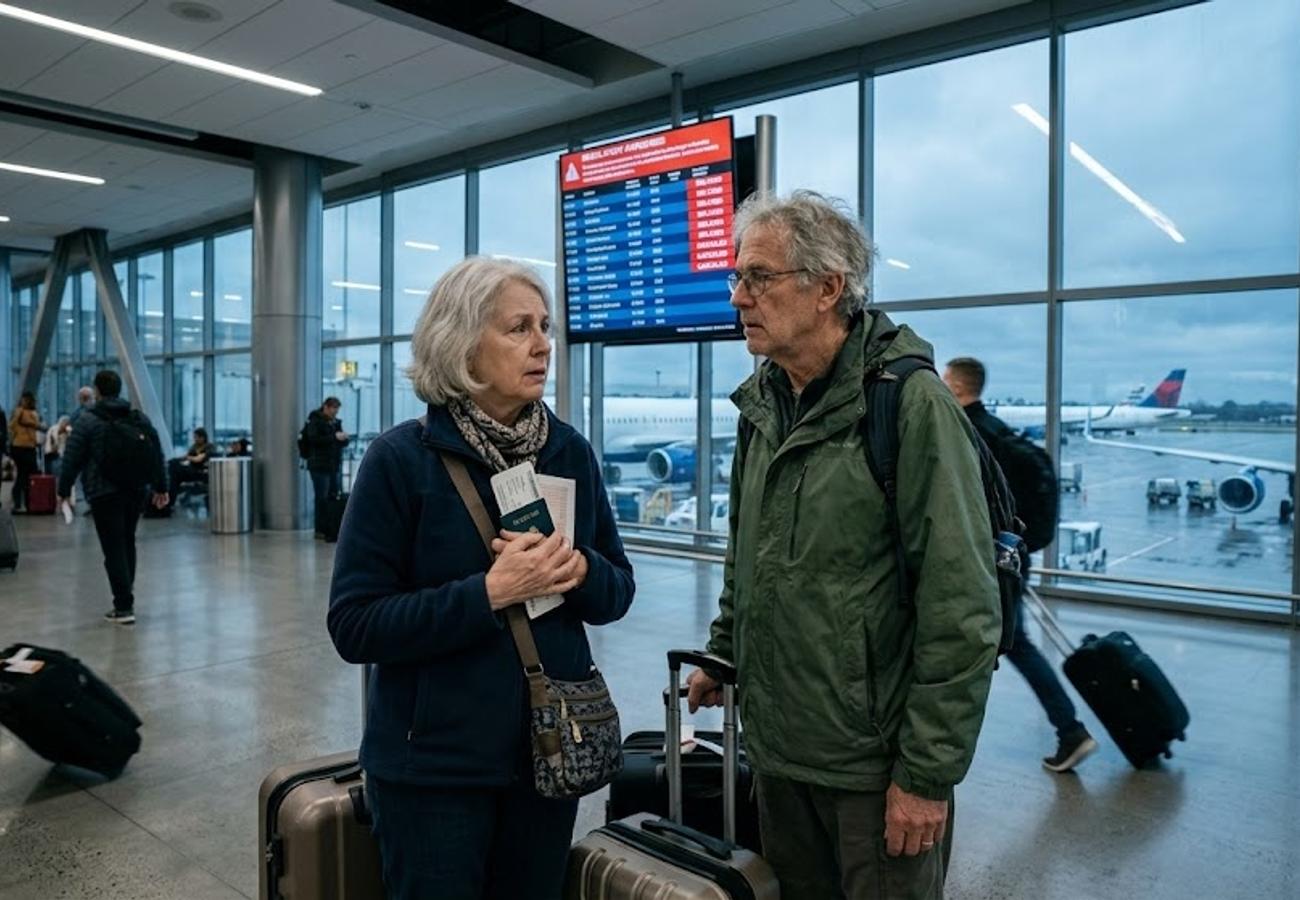
Image generated by AI
Washington D.C. has implemented a sweeping series of import duties targeting 60 international commerce partners, effective 12:01 a.m. EDT on Friday. These levies, enacted under Section 301 of the Trade Act of 1974, introduce customized tax rates between 10% and 12.5% for key allies including Canada, the UK, India, China, Vietnam, and the European Union.
The federal action replaces a temporary baseline duty and is explicitly tied to foreign labor compliance. According to the Office of the United States Trade Representative (USTR), the move follows decades of failed diplomatic efforts to eliminate forced labor from global supply networks. The US government asserts that the lack of enforcement by international partners creates an artificial economic advantage over domestic enterprises.
Tariff Structure and Regulatory Tiers
The new framework categorizes trading partners based on their labor protection records:
- Lower Tier (10%): Applied to 17 partners with comprehensive labor prohibitions or immediate corrective legislation. This includes India, the United Kingdom, Canada, and Mexico.
- Standard Tier (12.5%): Applied to nations lacking sufficient enforcement mechanisms, specifically including China and Vietnam, along with over 30 other partners.
- Adjusted Tier (10% to 12.5%): Calibrated duties for the European Union, Japan, South Korea, Taiwan, and Switzerland to align with most-favored-nation (MFN) rates.
Certain vital commodities are exempt from these duties. These include crude oil, natural gas, agricultural fertilizers, goods already subject to metals tariffs, and items compliant with regional trade agreements such as the USMCA.
New US Tariff Framework Summary
| Tier / Rate | Affected Entities & Criteria |
|---|---|
| Lower Tier (10%) | Economies with active bans on forced labor (e.g., India, UK, Canada, Mexico) |
| Standard Tier (12.5%) | Economies lacking adequate labor protections (e.g., China, Vietnam, 30+ others) |
| Adjusted Tier (10% - 12.5%) | EU, Japan, South Korea, Taiwan, Switzerland (MFN equalization) |
| Exemptions | Oil/Gas, USMCA-compliant goods, steel/aluminum, fertilizers, non-domestic essential foods |
Direct Impacts on Aviation and International Travel
While these taxes target commercial freight, the ripple effects will be felt across the travel sector. Because aviation and hospitality rely on complex cross-border supply chains, the following disruptions are expected:
Airfare and Operational Costs Airline maintenance depends on the rapid movement of international components. Our analysis of the supply chain indicates that as customs duties rise across 60 countries, maintenance costs will increase. This creates direct upward pressure on long-haul international ticket prices.
Customs and Personal Imports Travelers entering the US with luxury goods, commercial merchandise, or regional artisanal products will face heightened scrutiny. Customs officials are now implementing stricter origin verification checks to ensure compliance with these federal guidelines.
Retail and Duty-Free Pricing Inventory pricing at major travel hubs in North America, Europe, and Asia is currently being reassessed. Travelers will see price increases on electronics and high-end apparel as distribution chains pass the added duty costs to the consumer.
Why This Matters: Industry Analysis
From a logistical perspective, this shift marks a transition from emergency executive decrees to statutory trade statutes. For the aviation industry, this is not merely a tax issue but a procurement crisis. Airlines cannot simply "switch" suppliers for certified aircraft parts; therefore, the 10% to 12.5% increase in landing and maintenance costs will likely be passed to passengers via fuel or "regulatory" surcharges.
For the frequent international traveler or digital nomad, the real impact is at the border. The move toward "stricter country-of-origin audits" means that the era of casual high-value imports is ending. Failure to provide explicit proof of purchase and origin documentation could lead to significant delays or seizures at ports of entry.
Compliance and Deadlines
Federal agencies have established the following directives for traders and travelers:
- Transit Grace Period: Goods already en route via air or ocean prior to 12:01 a.m. EDT Friday are exempt, provided they clear US customs before July 28.
- Verification: Importers must use the official Federal Register notices via ustr.gov and cbp.gov for specific tariff classification codes.
- Traveler Documentation: Individuals transporting high-value overseas acquisitions must maintain detailed receipts to streamline clearance.
The intersection of labor ethics and trade law has now become a primary cost driver for global transit.
Related Travel Guides
Disclaimer
This article is for informational and educational purposes only. It does not constitute legal, financial, or professional advice. While we strive to provide accurate and up-to-date information, travel policies, regulations, and conditions change rapidly. Always verify information with official sources before making travel decisions. Nomad Lawyer makes no representations about the accuracy, reliability, completeness, or suitability of the information provided. Readers should consult qualified professionals for advice specific to their circumstances. The views expressed in this article are those of the author and do not necessarily reflect the views of Nomad Lawyer.
Preeti Gunjan
Contributor & Community Manager
A passionate traveller and community builder. Preeti helps grow the Nomad Lawyer community, fostering engagement and bringing the reader experience to life.
Learn more about our team →