Oklahoma Tourism Hits $12.76 Billion Record as Regional Hubs Pivot to Experience Economy

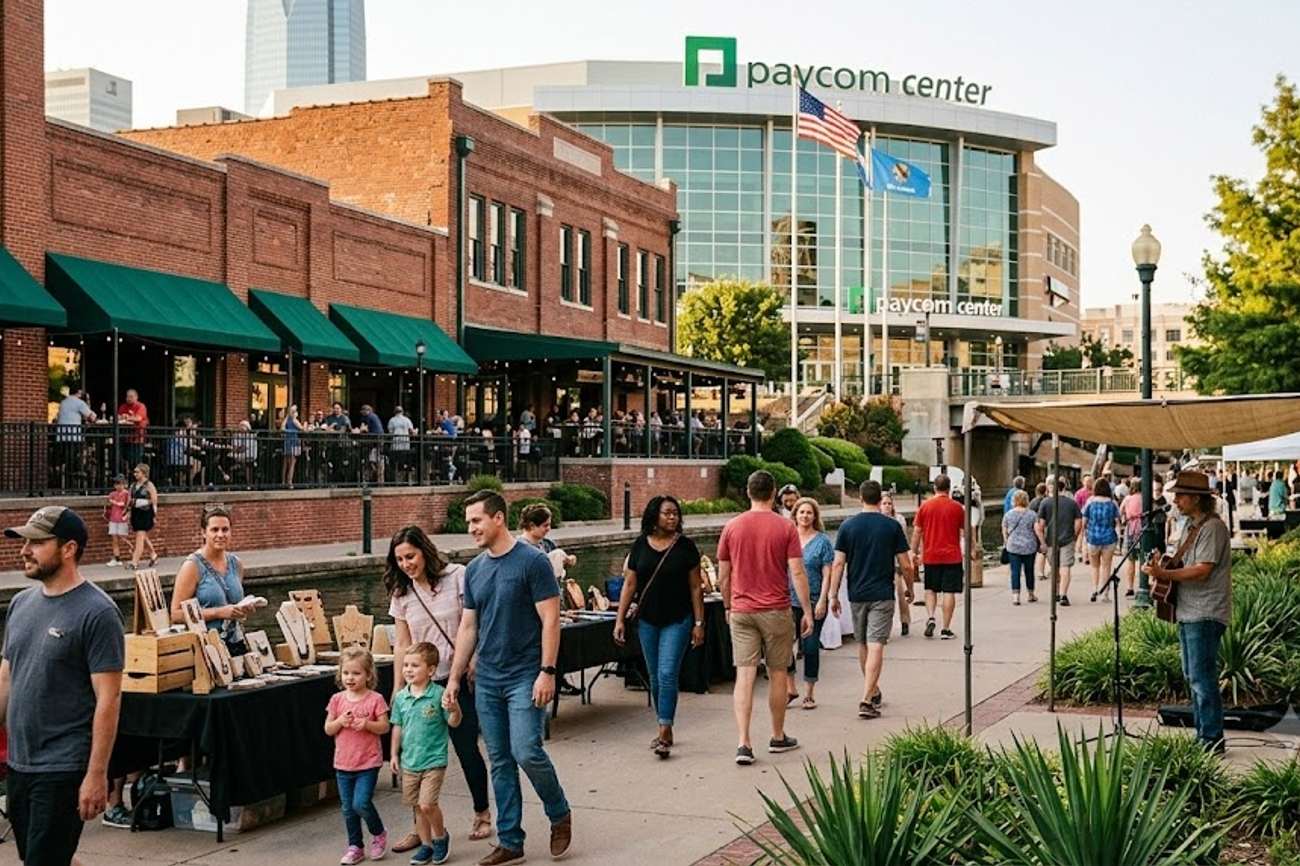
Image generated by AI
The Local Trend Revealed
Oklahoma is no longer a "pass-through" state on the way to the coast; it has evolved into a primary destination. The 2026 data reveals a strategic shift toward "Experience Tourism," where municipal growth is tied to specific cultural and athletic anchors.
Oklahoma City remains the financial engine, generating $4.8 billion (£3.79 billion) in total economic output. The capital's success is driven by a high-yield visitor profile: while 25 million people visited, the 8.4 million overnight guests generated 56% of all direct expenditure. This surge is linked to high-profile international sporting events and preparations for the 2028 Los Angeles Olympics.
Meanwhile, Tulsa is capitalizing on its identity as a music and heritage hub. With $2.45 billion (£1.93 billion) in total economic output, the city is leveraging the Route 66 Centenary and legendary venues like Cain’s Ballroom to attract international crowds. In Norman, the transition of University of Oklahoma athletics into the Southeastern Conference (SEC) has fundamentally altered the local economy, bringing 2.1 million travelers and $385 million (£304 million) in total economic impact to the university city.
Cultural & Environmental Value
For the visitor, the real impact is the visible reinvestment of tourism dollars into community infrastructure. The 2026 boom has supported 110,000 jobs and provided 109,000 Oklahomans the opportunity to own and operate small businesses.
This growth extends beyond the cities. In Lawton, the synergy between military heritage at Fort Sill and eco-tourism at the Wichita Mountains Wildlife Refuge has created a sustainable model for regional travel, generating $290 million (£229 million) in economic output. Similarly, Broken Arrow has demonstrated the power of "Pedestrian-First" urban planning; the revitalization of the Rose District has transformed the downtown core into a cultural destination, helping the suburb achieve $220 million (£173 million) in total economic output.
Visitor Insider Tips
To experience Oklahoma beyond the primary tourist corridors, consider these local insights:
- The Route 66 Slow-Down: Instead of rushing through the Mother Road, spend an afternoon in Tulsa's historic districts. The build-up to the Centenary has created several "pop-up" heritage exhibits that are often missed by those sticking to the main highway.
- SEC Game Day Strategy: If visiting Norman for a game, arrive early to explore the local dining scene outside the immediate stadium perimeter to avoid the peak crowds.
- Wichita Mountains Timing: For photographers and hikers in Lawton, visit the Wichita Mountains Wildlife Refuge at dawn. This is the peak window for wildlife sightings and avoids the midday heat.
- The Rose District Walk: In Broken Arrow, prioritize the pedestrian-only zones of the Rose District for the best local culinary experiences and independent art galleries.
Tourism Outlook
The long-term trajectory for Oklahoma suggests a permanent shift in its global branding. By diversifying its appeal—from youth sports in Broken Arrow to military and nature tourism in Lawton—the state has insulated its economy from relying on a single industry. With 25.2 million annual travelers now fueling worker payrolls to the tune of $3.4 billion (£2.68 billion), Oklahoma is positioned as a stable, diversified hub for North American travel.
Related Travel Guides
This article is for informational purposes. Flight routes, passenger regulations, visa rules, and transit advisories are subject to change by airlines and aviation authorities. Readers are advised to verify schedules and travel documentation with relevant carriers and border agencies before departure.
Related Stories

European Mass Protests Disrupt Travel Across France, Italy, Belgium, and Turkey in 2026
Aeroméxico and Delta Expand US Network with 42 Weekly Flights to California, Florida and Oregon in 2027