
Okinawa Yui Rail Breakdown Highlights Naha Airport Transit Risks
A technical glitch on Okinawa's Yui Rail monorail disrupted travel between Naha Airport and central Naha, emphasizing transit corridor vulnerabilities.

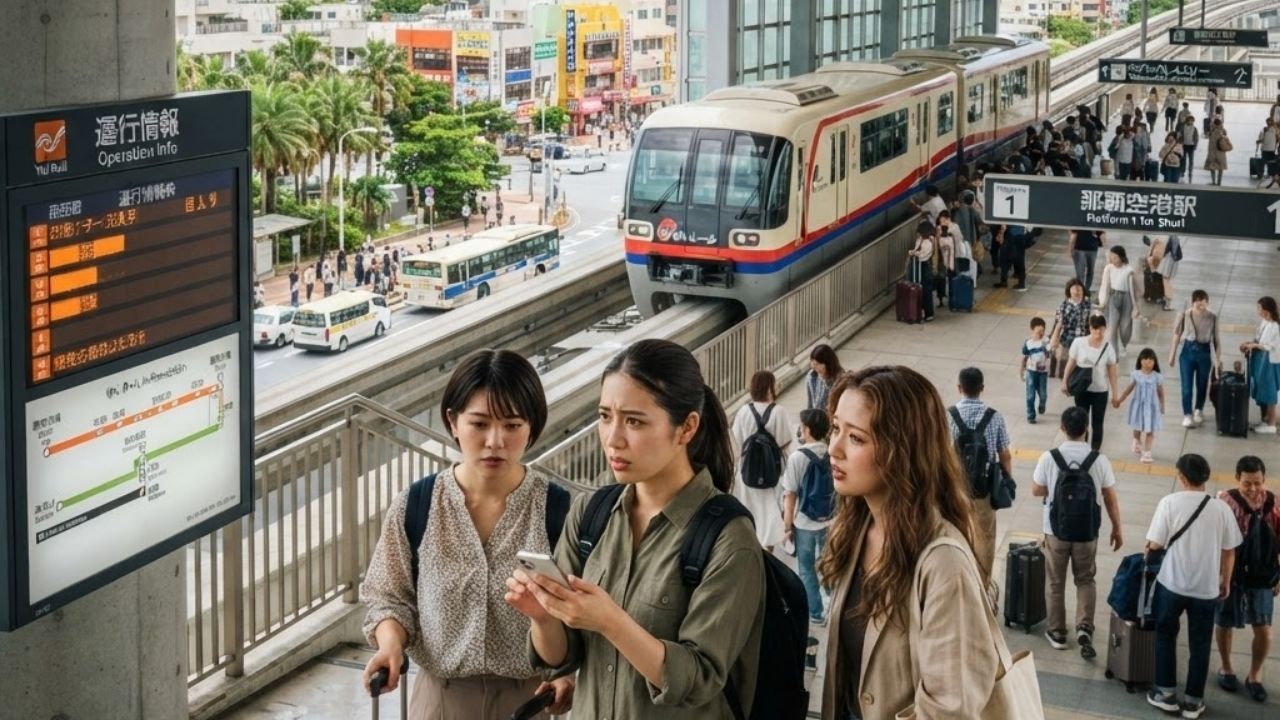
Image generated by AI
A technical breakdown on the Yui Rail monorail system on August 28, 2026, disrupted travel between Naha Airport and central Okinawa, highlighting the destination's reliance on a single rail corridor. With the monorail serving a record 24,096,263 passengers in fiscal 2025, the incident emphasizes the need for alternative airport transit pathways during regional disruptions.
The Local Trend Revealed
Okinawa is experiencing unprecedented tourism demand, putting pressure on Naha's sole rapid transit link. Monitored by the Okinawa Prefecture’s Urban Planning and Monorail Division and the Okinawa Convention & Visitors Bureau (OCVB), recent metrics show how transit volumes correlate with visitor growth:
- Monitored Breakdown: The Yui Rail suspended operations partially on August 28, 2026, due to a technical glitch, forcing travelers to seek road-based alternatives before service resumed.
- Monorail Passenger Records: Yui Rail journeys reached 24,096,263 in fiscal 2025 (averaging 66,017 daily users). July 2026 recorded 2,080,085 passenger trips (an average of 67,100 daily).
- Passenger Growth Trends: Daily ridership averages grew consistently over the years: 52,355 in fiscal 2018; 55,766 in fiscal 2019; 46,326 in fiscal 2022; 54,803 in fiscal 2023; 60,898 in fiscal 2024; and 66,771 between April and July 2026, heading toward the fiscal 2026 target of 70,000.
- Record Visitor Arrivals: Okinawa Prefecture received 10,935,300 visitors in fiscal 2025 (a 9.9 percent increase year-on-year). July 2026 arrivals reached 963,900, comprising 693,800 domestic and 270,100 international visitors.
- Tourism Revenue Surge: Regional tourism revenue reached ¥1.0747 trillion in fiscal 2025 (up 9.4 percent), with average visitor spending at ¥98,281 (domestic: ¥104,477; foreign air: ¥105,222; foreign sea: ¥24,055). Visitor nights reached 32.98 million.
Local Community & Environmental Value
For the traveler, the real impact of visiting Okinawa is supporting independent local businesses. Dining at family-run Okinawan izakayas and purchasing handcrafted pottery directly from local artisans in the historic Tsuboya district keeps travel spending directly in local hands.
Environmental protection is advanced by using the electric monorail. Choosing Yui Rail over private rental cars reduces urban traffic congestion and tailpipe emissions in Naha's city center. The introduction of three-car trains in 2023 has expanded the system's capacity, supporting the green transit goals of the prefecture's Sixth Tourism Promotion Basic Plan (covering fiscal 2025 to fiscal 2027).
Visitor Insider Tips for Okinawa Airport Transit
Travel and transit specialists recommend the following practices when navigating Naha:
- Use City Buses during Glitches: If the monorail stops, go directly to the bus stands outside Naha Airport Terminal 1. Board Naha City Bus routes 25, 99, or 120 to reach Kokusai-dori or Shuri. Keep a local OKICA card or Suica card topped up to simplify fare payment.
- Observe the Off-Peak Window: Visit Okinawa during the shoulder months of October to November or March to April. You will avoid the extreme summer heat and humidity of July and August (which averages over 32°C), dodge the summer typhoon season, and secure lower hotel rates.
- Sample Regional Culinary Specialties:
- Taste Okinawa Soba (thick wheat noodles in pork-bonito broth topped with soki ribs) at neighborhood diners.
- Try Goya Champuru (stir-fried bitter melon with tofu, egg, and pork).
- Observe Local Customs: When dining, toast your friends by saying "Karii" (the local Okinawan word for cheers) with local Orion Beer or Awamori. Tipping is strictly not practiced in Japan; instead of leaving cash on the table, simply thank the staff by saying "Gochisousama deshita" (thank you for the meal).
- Explore Under-the-Radar Escapes: Skip the crowded shops of Kokusai-dori and explore Tsuboya Yachium Street (Tsuboya Pottery District) near Makishi Station. Walk along stone-paved alleys to find traditional Okinawan pottery workshops and quiet clay-roofed cafes.
- Manage Ferry Layovers: When heading to Tomari Port (via Miebashi Station) for Kerama island ferries, allow at least 60 minutes of travel margin. Missed ferries cannot be easily replaced, which can disrupt diving and island accommodation bookings.
Tourism Outlook
The long-term impact of Okinawa's transport planning will depend on improving transit resilience between the airport and Naha's urban hubs. By establishing coordinated multilingual alerts across the monorail, airport, and regional hotels, authorities aim to maintain high visitor satisfaction, ensuring that ground travel remains reliable as international flight and cruise arrivals grow.
FAQ: Yui Rail Okinawa Monorail Breakdown
What caused the Yui Rail suspension on August 28, 2026? The monorail experienced a temporary technical glitch, which partially suspended operations before services were restored.
How many stations are on the Yui Rail network? The monorail network consists of 19 stations, connecting Naha Airport with central Naha, Kokusai-dori, Shuri, and Tedako-Uranishi in Urasoe.
What are the alternative transit options if the monorail is unavailable? Travelers can utilize Naha City Bus routes, local taxis, hotel shuttle transfers, or rental cars to travel between the airport and the city center.
How many passengers use the Yui Rail daily? The monorail carried an average of 66,017 daily passengers in fiscal 2025, with July 2026 averages rising to 67,100 daily users.
Related Travel Guides
Disclaimer
This article is for informational and educational purposes only. It does not constitute legal, financial, or professional advice. While we strive to provide accurate and up-to-date information, travel policies, regulations, and conditions change rapidly. Always verify information with official sources before making travel decisions. Nomad Lawyer makes no representations about the accuracy, reliability, completeness, or suitability of the information provided. Readers should consult qualified professionals for advice specific to their circumstances. The views expressed in this article are those of the author and do not necessarily reflect the views of Nomad Lawyer.
Raushan Kumar
Founder & Lead Developer
Full-stack developer with 11+ years of experience and a passionate traveller. Raushan built Nomad Lawyer from the ground up with a vision to create the best travel and law experience on the web.
Learn more about our team →