
O'Hare International Airport Leads Global Flight Cancellations After FAA Ground Stop in September 2026
Severe thunderstorms in Chicago triggered a massive FAA ground stop at O'Hare International Airport, resulting in the highest number of flight cancellations worldwide on September 17, 2026.

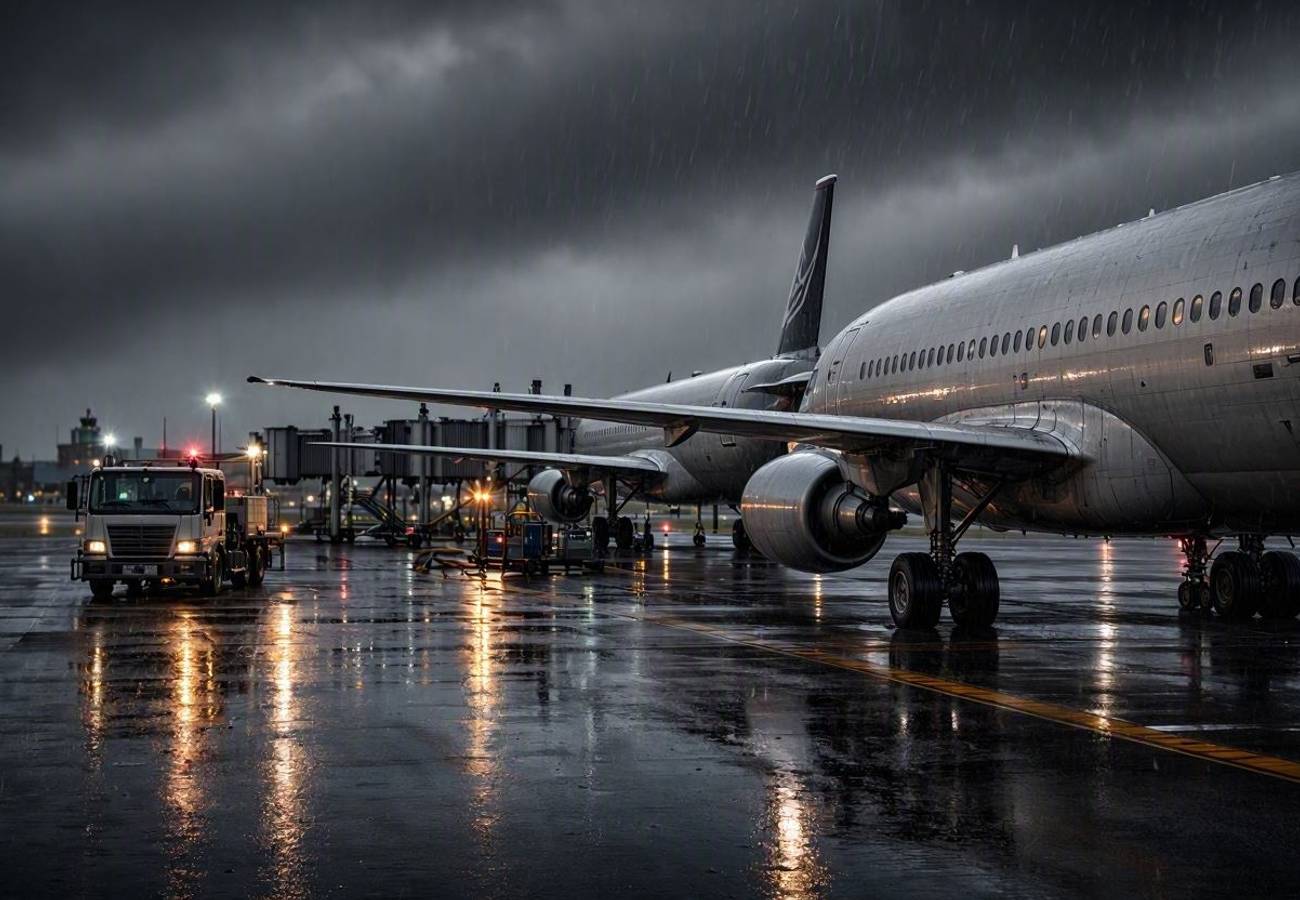
Image generated by AI
139 flight cancellations in a single morning placed O'Hare International Airport (ORD) at the top of the global list for cancelled flights on September 17, 2026. This systemic failure was triggered by a combination of severe thunderstorms and a mandatory service halt ordered by the Federal Aviation Administration (FAA), which paralyzed one of the world's most critical aviation hubs for nearly two hours.
The Mechanics of the Chicago Gridlock
The disruption began with a total ground stop issued by the FAA at 6:25 a.m. ET, which remained in effect until 8:15 a.m. ET. This absolute cessation of movement was necessitated by extreme weather patterns moving through the Midwest. Meteorological reports indicated rainfall intensity as high as 4.5 inches per hour in specific zones, with significant flood risks emerging in LaSalle and DeKalb counties.
Following the lift of the initial ground stop, the situation did not stabilize. A secondary ground delay was implemented at 7:47 a.m., extending the window of disruption. For travelers on the tarmac or in the terminals, the immediate result was a surge in wait times, with average delays climbing to 126 minutes. This volatility is characteristic of ORD's role as a primary hub; when the "heart" of the network stops, the ripples are felt globally.
Quantifying the Chaos: September 17 Data
The scale of the disruption is best understood through the specific volume of affected flights. While other U.S. airports experienced weather-related issues, the concentration of failure at O'Hare was unprecedented for the day.
| Airport | Departure Cancellations (Sept 17) |
|---|---|
| O'Hare International Airport (ORD) | 70 |
| Chicago Midway International Airport (MDW) | 11 |
| Denver International Airport (DEN) | 3 |
| Detroit Metro International Airport (DTW) | 3 |
| Indianapolis International Airport (IND) | 3 |
Beyond the cancellations, the total delay count at ORD reached 689. This figure is split between 421 arrival flights and 268 departures. The burden of these delays fell most heavily on United Airlines, which recorded 215 of the total delays. Other affected carriers included Delta Air Lines, American Airlines, SkyWest, Envoy Air, and Republic.
Expert Analysis: The Hub-and-Spoke Vulnerability
The events of September 17 highlight a fundamental weakness in the "hub-and-spoke" model utilized by carriers like United and American. Because O'Hare serves as a central node, a two-hour FAA stoppage does not merely delay 139 flights; it disrupts the entire downstream schedule for thousands of passengers who are not even in Chicago.
For travelers booking routes through ORD, the direct consequence is a "compounding delay." When a flight is cancelled in the morning, the aircraft and crew are out of position for the rest of the day. This explains why passengers reported waiting over seven hours for departures or sitting on the tarmac for an hour after landing because no gates were available.
The pricing and logistical pressure created by these events often forces airlines into "flexible rebooking" modes to avoid mass refunds. United Airlines' decision to waive change fees for flights departing between September 15 and September 22 is a strategic move to manage passenger volume and prevent terminal overcrowding. However, the restriction that passengers must remain in the same cabin and between the same cities limits the utility of this offer for those whose entire travel itinerary has collapsed.
From a regulatory perspective, the FAA's decision to halt service is a safety imperative. In conditions where 4.5 inches of rain fall per hour, visibility and runway drainage become critical safety risks. The fact that ORD led global cancellations proves that the airport's operational density makes it hypersensitive to weather-induced regulatory interventions.
Key Takeaways
- Global Lead in Cancellations: O'Hare (ORD) recorded the most cancelled flights worldwide on September 17, with 139 total (70 departures, 71 arrivals).
- FAA Intervention: A total ground stop from 6:25 a.m. to 8:15 a.m. ET, followed by a ground delay starting at 7:47 a.m., triggered the crisis.
- United Airlines Impact: As the primary hub carrier, United suffered the most, accounting for 215 of the 689 total delays.
- Extreme Weather: Rainfall rates of 4.5 inches per hour and flood risks in DeKalb and LaSalle counties drove the safety stoppages.
- Rebooking Window: United is offering fee waivers for rebooking between September 15 and September 22, 2026, provided the cabin and city remain unchanged.
FAQ: O'Hare Disruptions 2026
What happens if my flight from O'Hare was cancelled on September 17? Passengers should check their airline's travel alert page. United Airlines is offering flexible rebooking with waived change fees and fare differences for flights between September 15 and September 22, 2026, provided the destination and cabin class remain the same.
Why did the FAA halt all flights at O'Hare? The Federal Aviation Administration (FAA) issued a ground stop due to severe thunderstorms and extreme rainfall (up to 4.5 inches per hour), which created unsafe flying conditions and flood risks in the surrounding region.
Which airlines were most affected by the Chicago weather? While multiple carriers including Delta and American were impacted, United Airlines experienced the highest volume of delays, recording 215 of the airport's 689 total delays.
How can I track current delays at O'Hare? Travelers can use real-time data from FlightAware or the official FAA status pages to monitor ground stops and average delay minutes before heading to the airport.
When the hub breaks, the world waits.
Related Travel Guides
Disclaimer
This article is for informational and educational purposes only. It does not constitute legal, financial, or professional advice. While we strive to provide accurate and up-to-date information, travel policies, regulations, and conditions change rapidly. Always verify information with official sources before making travel decisions. Nomad Lawyer makes no representations about the accuracy, reliability, completeness, or suitability of the information provided. Readers should consult qualified professionals for advice specific to their circumstances. The views expressed in this article are those of the author and do not necessarily reflect the views of Nomad Lawyer.
Naina Thakur
Contributor & Travel Specialist
Travel enthusiast and legal writer covering visa regulations, responsible tourism, and cultural journeys across global destinations.
Learn more about our team →