
Norwegian Sun Propulsion Issues Force Major Baltic Itinerary Changes and Port Cancellations
A technical propulsion failure on the Norwegian Sun has triggered a cascade of itinerary changes across Northern Europe,

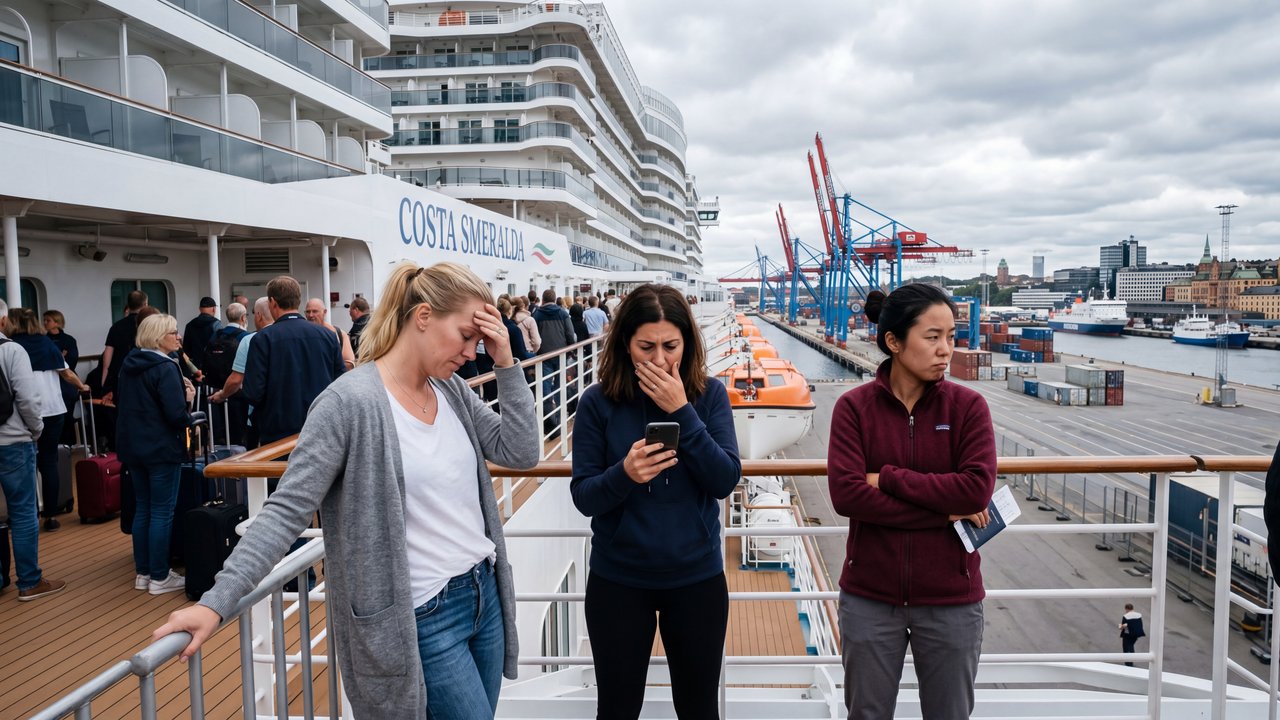
Image generated by AI
Propulsion Failure Disrupts Peak Baltic Season
The Norwegian Sun has been forced to alter its June 2026 sailing schedule following a technical issue with its propulsion system. While the cruise line confirms that passenger safety remains uncompromised, the mechanical limitation has reduced the vessel's operating speed, making it impossible to adhere to the rigid timing required for Baltic Sea port rotations.
This disruption occurs during the peak summer window, a period of maximum demand for Northern European cruising. The inability to maintain standard cruising speeds has created a "schedule compression failure," where the loss of speed at one point in the journey necessitates the removal of multiple subsequent destinations to keep the overall voyage on track.
Revised Itinerary and Port Shifts
The propulsion limitations have resulted in the removal of three major regional hubs. To compensate for the lost time and distance, the cruise line has integrated additional sea days and one alternative port of call.
The following changes have been implemented:
- Cancelled: Nynäshamn/Stockholm, Sweden
- Cancelled: Klaipėda, Lithuania
- Cancelled: Gdynia, Poland
- Added: Rønne (Bornholm, Denmark)
- Added: Additional sea days to replace missed land excursions
Compensation Strategy and Guest Recovery
To mitigate passenger dissatisfaction, Norwegian Cruise Line has deployed a compensation package centered on "ecosystem retention." Rather than offering direct cash refunds for the diminished itinerary, the line is utilizing credits to keep spending within the brand.
Compensation Details:
- Onboard Credit: US$100 per stateroom (shared between the first two guests).
- Future Cruise Credit (FCC): 25% credit per passenger for bookings made through December 2027.
- Excursions: Full automatic refunds for all pre-booked tours at cancelled ports.
- Activation Date: Credits became active starting July 3, 2026.
The Economic Ripple Effect in Northern Europe
The cancellation of these ports represents more than just a missed sightseeing opportunity; it creates a sudden volatility in local tourism micro-economies.
In cities like Stockholm and Klaipėda, cruise arrivals provide a predictable surge of high-volume spending for local guides, transport operators, and heritage sites. When a vessel is diverted, these local businesses face immediate revenue gaps. Conversely, smaller ports like Rønne in Denmark act as "accidental winners," receiving an unexpected influx of tourism spend.
Furthermore, the shift toward more sea days transforms the ship's internal economy. With fewer opportunities for guests to spend money ashore, onboard revenue streams—such as specialty dining, retail, and entertainment—typically see an increase in utilization.
Operational Outlook for Baltic Cruising
This incident underscores a growing vulnerability in high-density cruise corridors. Because Baltic itineraries are engineered with tight arrival windows, even a marginal drop in propulsion efficiency can collapse an entire route chain.
Moving forward, this event suggests that cruise operators may need to move away from rigid scheduling in favor of "buffer windows" to ensure itinerary stability. For passengers, the focus is shifting from the destination list to the overall reliability of the vessel's operational health.
Summary of Itinerary Changes
| Original Destination | Status | Replacement/Alternative |
|---|---|---|
| Nynäshamn/Stockholm, Sweden | Cancelled | Additional Sea Day |
| Klaipėda, Lithuania | Cancelled | Additional Sea Day |
| Gdynia, Poland | Cancelled | Rønne (Bornholm, Denmark) |
Key Takeaways
- Technical Cause: Reduced propulsion efficiency lowered the ship's speed, making the original tight schedule unattainable.
- Geographic Impact: Major losses for tourism hubs in Sweden, Lithuania, and Poland; unexpected gain for Bornholm, Denmark.
- Financial Model: Compensation is designed to ensure future loyalty (FCC) and immediate onboard spending (OBC).
- Industry Trend: A shift toward "ecosystem-based" compensation over cash refunds during operational disruptions.
FAQ
Was the safety of the passengers compromised? No. Norwegian Cruise Line confirmed that the propulsion issue affected speed and scheduling, but did not impact the overall safety of the vessel or its passengers.
How are the refunds for shore excursions handled? All excursions previously booked for the cancelled ports (Stockholm, Klaipėda, and Gdynia) are being refunded automatically.
When do the compensation credits become available? The onboard and future cruise credits were activated starting July 3, 2026.
Related Travel Guides
Disclaimer
This article is for informational and educational purposes only. It does not constitute legal, financial, or professional advice. While we strive to provide accurate and up-to-date information, travel policies, regulations, and conditions change rapidly. Always verify information with official sources before making travel decisions. Nomad Lawyer makes no representations about the accuracy, reliability, completeness, or suitability of the information provided. Readers should consult qualified professionals for advice specific to their circumstances. The views expressed in this article are those of the author and do not necessarily reflect the views of Nomad Lawyer.
Raushan Kumar
Founder & Lead Developer
Full-stack developer with 11+ years of experience and a passionate traveller. Raushan built Nomad Lawyer from the ground up with a vision to create the best travel and law experience on the web.
Learn more about our team →