
New Green Ferries, Eco Cruises, And Smarter Island Connections Redefine The Future Of Coastal Journeys And Maritime Travel Across the Shores of Vietnam – All You Need to Know
Vietnam transforms coastal travel with green ferries and eco cruises, improving island connectivity and reducing emissio

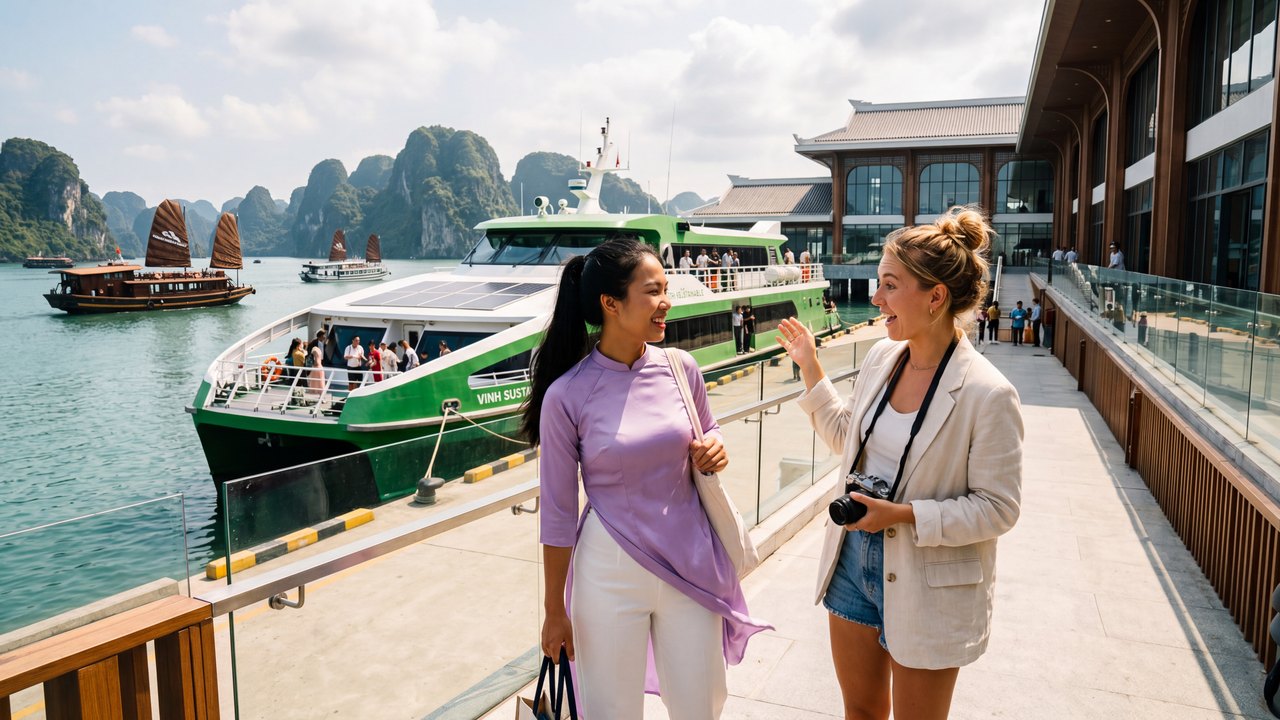
Image generated by AI
[Hanoi, June 28, 2026] — Vietnam is aggressively transforming its maritime transport sector by deploying green ferries and eco-friendly cruise vessels to modernize connectivity between its mainland and island territories. This systemic shift, driven by national environmental mandates and global decarbonization trends, aims to replace aging, high-emission fleets with sustainable alternatives to enhance the passenger experience and protect marine ecosystems.
A Strategic Shift Toward Sustainable Maritime Infrastructure
The Vietnamese coastline is currently undergoing a significant evolution as sustainable maritime tourism moves from theoretical policy to operational reality. Industry sources indicate that the government is prioritizing cleaner shipping and modernized shipbuilding to align with international environmental targets. This transition is not merely an ecological necessity but a strategic upgrade to the country's tourism infrastructure.
The modernization process involves the gradual decommissioning of older, fuel-heavy vessels in favor of ships equipped with quieter engines and cleaner fuel systems. This change is designed to mitigate the environmental impact of coastal travel while simultaneously improving the quality of transit for both international tourists and domestic commuters.
Modernizing Green Ferry Systems in Vietnam
The introduction of green ferry networks is fundamentally altering the logistics of island and coastal transit. These vessels are engineered to lower carbon emissions and provide a more reliable alternative to the traditional, often erratic, ferry services of the past.
According to industry observers, the deployment of these sustainable ferries is resulting in several tangible improvements for travelers:
- Reduced Transit Friction: Shorter wait times are being recorded on primary island routes due to better vessel efficiency and scheduling.
- Environmental Health: A noticeable decrease in air pollution is occurring around major ports and docking zones.
- Operational Reliability: Travel schedules are becoming more stable, particularly during high-demand peak tourist seasons.
- Enhanced Passenger Experience: Newer vessels offer superior onboard comfort compared to legacy fleets.
Expanding Access to Remote Coastal Destinations
The overhaul of maritime planning is making Vietnam's extensive shoreline more accessible. Historically, many of the country's most scenic coastal areas remained difficult to reach due to inconsistent transport and outdated port facilities.
With the current focus on integrated maritime planning, coastal destination travel is becoming more predictable. New routes are being established to link mainland urban centers with remote island regions more effectively. This connectivity boost allows for more frequent transport during holidays and provides essential support to smaller coastal communities that were previously isolated. For the traveler, this means the complexity of planning an island-hopping itinerary is being replaced by a streamlined, integrated system.
Implementing Low-Emission Shipping Standards
A primary catalyst for these changes is the global movement toward low-carbon shipping. Vietnam's maritime agencies are adopting international frameworks that emphasize smarter ship design and the use of alternative fuels.
This transition impacts more than just large-scale cargo operations; it is directly shaping the tourism sector. Current initiatives include:
- Engine Optimization: The installation of high-efficiency engines to drastically reduce fuel consumption.
- Propulsion Upgrades: The integration of cleaner propulsion systems in small cruise ships and passenger ferries.
- Port Modernization: Upgrading docking infrastructure to support green operations and electric charging where applicable.
- Fleet Retrofitting: Implementing comprehensive maintenance and retrofit programs to bring older ships up to modern environmental standards.
Strengthening Sustainable Island Connectivity
Island destinations are central to Vietnam's tourism appeal, yet their accessibility has traditionally been hampered by weather volatility and unreliable vessels. The current strategy for sustainable island connectivity focuses on creating year-round, resilient links between the mainland and the archipelagoes.
Efforts to stabilize these connections include the expansion of ferry routes to reach smaller, underserved islands and the modernization of docking facilities in key regions. By reducing the environmental pressure on fragile marine ecosystems, these upgrades ensure that tourism growth does not come at the cost of ecological degradation. Furthermore, these improvements provide island residents with more consistent access to essential services on the mainland.
The Evolution of Eco Cruise Tourism in Vietnam
The cruising industry along the Vietnamese coast is pivoting away from high-emission, large-scale vessels toward a more intimate, sustainable model. Eco cruise tourism is emerging as a preferred direction for operators who prioritize a closer connection to nature over sheer capacity.
This new era of coastal exploration is characterized by:
- Boutique Experiences: A shift toward smaller vessels that can navigate shallower or more protected waters without causing damage.
- Minimal Footprint: The use of advanced waste management and emission-reduction technologies to protect marine biodiversity.
- Slow Travel: A focus on scenic, leisurely journeys that emphasize cultural immersion rather than rapid transit.
- Protected Area Access: The ability to enter protected marine zones using low-impact vessels.
Summary of Maritime Improvements
| Feature | Legacy System | New Sustainable System |
|---|---|---|
| Engine Type | High-emission, noisy diesel | Low-emission, quiet, efficient |
| Scheduling | Irregular, weather-dependent | Stable, predictable, frequent |
| Environmental Impact | High pollution in ports/waters | Reduced carbon footprint, cleaner air |
| Accessibility | Limited to major hubs | Expanded to remote islands/coasts |
| Passenger Comfort | Basic, industrial feel | Modern, comfortable, streamlined |
Impact Analysis
The transition toward a green maritime economy in Vietnam is expected to decouple tourism growth from environmental decline. By upgrading the "invisible" parts of the journey—the ferries and transport links—the country is enhancing the overall value proposition for travelers. The reduction in transit stress and the increase in destination accessibility are likely to distribute tourism revenue more evenly across coastal provinces, benefiting smaller communities that were previously bypassed by the main tourist streams.
Why This Matters (Information Gain)
This shift represents a critical pivot from "volume-based" tourism to "value-based" sustainable infrastructure. While many nations focus on the destination, Vietnam is focusing on the conduit. By integrating low-emission shipping and smarter connectivity into the very fabric of its coastal transport, Vietnam is creating a scalable model for other Southeast Asian nations.
The broader implication is the professionalization of the maritime experience. When transport becomes a seamless, eco-friendly part of the journey rather than a logistical hurdle, it encourages longer stays and deeper exploration of remote areas. This systemic upgrade effectively transforms the sea from a barrier into a bridge, ensuring that the growth of the maritime sector supports both the economy and the environment.
Related Travel Guides
Disclaimer
This article is for informational and educational purposes only. It does not constitute legal, financial, or professional advice. While we strive to provide accurate and up-to-date information, travel policies, regulations, and conditions change rapidly. Always verify information with official sources before making travel decisions. Nomad Lawyer makes no representations about the accuracy, reliability, completeness, or suitability of the information provided. Readers should consult qualified professionals for advice specific to their circumstances. The views expressed in this article are those of the author and do not necessarily reflect the views of Nomad Lawyer.
Kunal K Choudhary
Co-Founder & Contributor
A passionate traveller and tech enthusiast. Kunal contributes to the vision and growth of Nomad Lawyer, bringing fresh perspectives and driving the community forward.
Learn more about our team →