
Caribbean Sea Shock as SeaDream Yacht Club Opens 13 Fall 2028 Voyages — What Others Are Missing in the Ultra-Luxury Yachting Gold Rush
SeaDream Yacht Club announces 13 ultra-luxury Caribbean voyages for Fall 2028 and New Year 2029, focusing on St. Barths

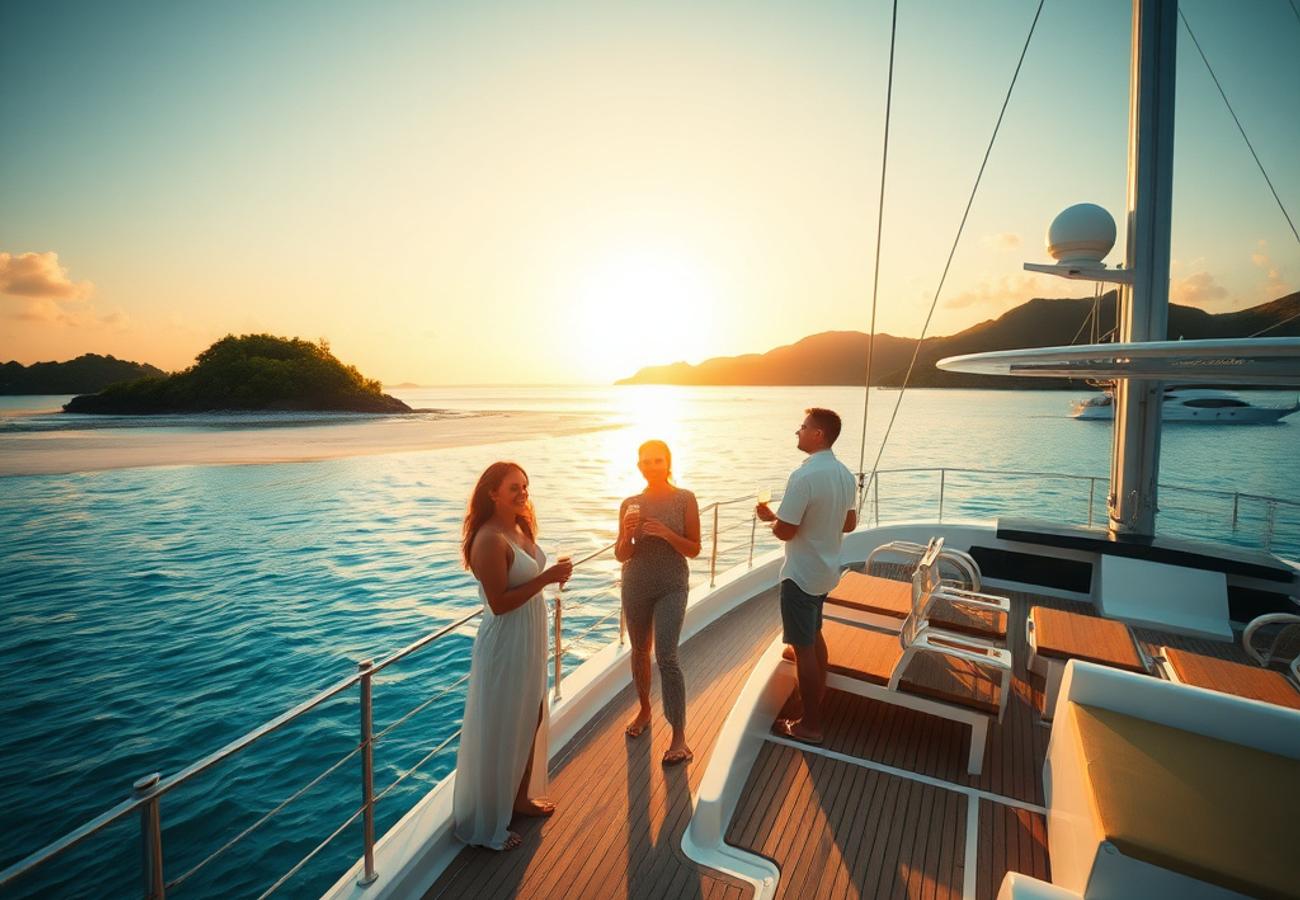
Image generated by AI
[Miami, June 28, 2026] — SeaDream Yacht Club has announced the launch of its Fall 2028 Caribbean itinerary, featuring 13 ultra-luxury voyages and specialized New Year 2029 sailings. The move signals a strategic pivot toward high-net-worth travelers who are increasingly abandoning mass-market cruise ships in favor of private, boutique yachting experiences.
A Shift in High-End Caribbean Tourism
The Caribbean region is currently witnessing a structural transformation in its luxury travel sector. While traditional large-scale cruising remains prevalent, there is a growing demand for exclusivity and slower travel rhythms. Industry reports indicate that wealthy travelers are now prioritizing privacy and deep destination immersion over the "checklist" approach of visiting multiple ports in a single day.
In response to this trend, SeaDream Yacht Club has opened reservations for its SeaDream I and SeaDream II vessels. The upcoming schedule, spanning from November 2028 through January 2029, is designed to cater to a demographic that values time and access over sheer volume.
Exclusive Itineraries Across the Caribbean Sea
The Fall 2028 program consists of 13 unique voyages that target the most prestigious islands in the region. Unlike standard cruise lines that operate on rigid, fast-paced schedules, these itineraries are built around a "slower rhythm," allowing guests more time to engage with local cultures and environments.
The primary destinations included in the 2028-2029 deployment are:
| Region/Island | Key Destinations |
|---|---|
| British West Indies | British Virgin Islands, Anguilla, Antigua |
| French West Indies | St. Barths, St. Maarten |
| Dutch Caribbean | Saba Island |
| Other Luxury Hubs | St. Kitts & Nevis, Virgin Gorda |
To facilitate a more authentic experience, the operator is prioritizing overnight stays in premium ports and extended two-day visits. This allows passengers to experience nightlife and dining ashore, a luxury that is physically impossible for larger vessels that must depart by evening to reach the next port.
St. Barths as the Strategic Hub for New Year Celebrations
St. Barths continues to serve as the epicenter of ultra-luxury winter travel, and it remains the focal point of the 2028 deployment. The yachts are scheduled for multiple extended calls at Gustavia Harbour, an area known for being one of the most exclusive anchorages in the world.
During the peak New Year period, both SeaDream vessels will maintain overnight positions in port. This timing is intentional, as Gustavia becomes a global hub for superyachts and high-profile waterfront events during the festive season. Because berth availability in St. Barths consistently falls short of demand during December and January, these scheduled stays provide a guaranteed entry point into one of the most competitive luxury markets in the Caribbean.
Diversifying Tourism Through Small-Port Access
A critical component of this new program is the departure from traditional cruise terminals. By utilizing smaller anchorages and remote coves, the yacht club is altering the flow of tourism in the region.
Specific focus areas for the upcoming season include:
- White Bay (Jost Van Dyke)
- Leverick Bay (Virgin Gorda)
- Norman Island
- Sandy Ground (Anguilla)
Industry observers note that this strategy helps reduce the congestion typically found in overused cruise hubs. By distributing visitor spending across smaller, less-visited islands, the model aligns with regional tourism diversification goals. This approach effectively mitigates the pressure of "over-tourism" while providing high-value economic injections into smaller island economies.
Festive Season Demand and Operational Design
The holiday sailings, particularly those surrounding Christmas and New Year, are expected to be the fastest-selling segments of the 2028 schedule. There is a visible trend of luxury travelers swapping traditional land-based resort holidays for the mobility and privacy of a yacht.
The operational framework of the SeaDream fleet is specifically engineered for this flexibility. By maintaining a low passenger capacity and a high staff-to-guest ratio, the vessels can anchor in areas that are environmentally or physically unsuitable for larger ships. The operational model emphasizes:
- Frequent anchoring over traditional docking.
- Rapid itinerary adjustments based on real-time weather or local conditions.
- Extensive onboard leisure programming that complements the shore experience.
The Broader Impact on Caribbean Maritime Travel
The expansion of boutique yachting reflects a wider shift in how the Caribbean manages its tourism assets. There is an increasing move toward "high-value, low-impact" tourism. By reducing dependency on mass-market cruise ships, island destinations can better balance revenue generation with the preservation of their natural infrastructure.
This transition is evident in the way the regional economy is evolving; the focus is shifting from the number of arrivals to the average spend per visitor. Small-ship experiences facilitate a deeper integration with local economies, as guests are more likely to frequent small boutiques and local eateries than those constrained by the timed excursions of a 5,000-passenger ship.
Why This Matters: The Evolution of Luxury Travel
The launch of the Fall 2028 program is more than a simple schedule release; it is a case study in the "Information Gain" of modern luxury travel. For decades, luxury was defined by opulence and the number of destinations visited. Today, the definition has shifted toward temporal luxury—the ability to control one's time and access places that are restricted to the general public.
The Caribbean serves as the primary testing ground for this model because of its high island density and established luxury infrastructure. As high-net-worth individuals prioritize privacy and experiential travel over packaged tours, the "yachting gold rush" will likely force larger cruise lines to attempt "small-ship" subsets to compete. However, the ability to enter a cove like White Bay or stay overnight in Gustavia is a structural advantage that mass-market lines cannot easily replicate. For the traveler, the takeaway is clear: in the ultra-luxury tier, securing a slot in a constrained environment is now more valuable than the destination itself.
Related Travel Guides
Disclaimer
This article is for informational and educational purposes only. It does not constitute legal, financial, or professional advice. While we strive to provide accurate and up-to-date information, travel policies, regulations, and conditions change rapidly. Always verify information with official sources before making travel decisions. Nomad Lawyer makes no representations about the accuracy, reliability, completeness, or suitability of the information provided. Readers should consult qualified professionals for advice specific to their circumstances. The views expressed in this article are those of the author and do not necessarily reflect the views of Nomad Lawyer.
Kunal K Choudhary
Co-Founder & Contributor
A passionate traveller and tech enthusiast. Kunal contributes to the vision and growth of Nomad Lawyer, bringing fresh perspectives and driving the community forward.
Learn more about our team →