
Norwegian Cruise Line Faces 2027 Pressure as Fleet Growth, Debt Strategy and Cruise Recovery Shape Future
Norwegian Cruise Line Faces 2027 Pressure as Fleet Growth, Debt Strategy and Cruise Recovery Shape Future

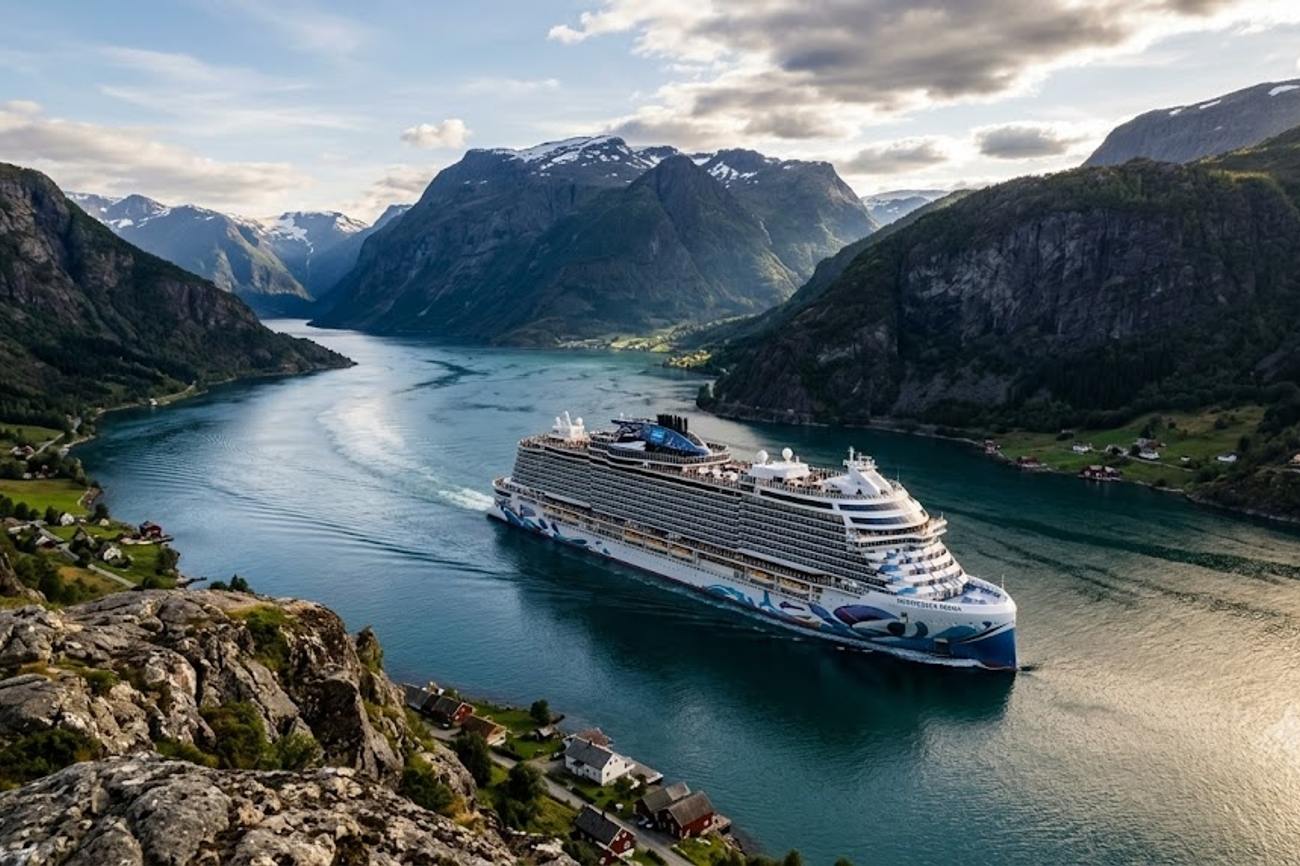
Image generated by AI
[Miami, May 2026] — Norwegian Cruise Line Holdings (NCLH) is pivoting its corporate strategy toward aggressive operational discipline and cost containment as it navigates a fleet expansion phase leading into 2027. The Miami-based operator is currently balancing the high capital demands of new vessel acquisitions with a renewed mandate to stabilize financial control and adapt to shifting consumer preferences in the global cruise market.
The strategic realignment affects NCLH's entire portfolio, including its contemporary brand, Norwegian Cruise Line, as well as its premium and ultra-luxury arms, Oceania Cruises and Regent Seven Seas Cruises. This transformation comes as the company attempts to maximize revenue growth while mitigating the volatility of fuel prices, labor costs, and the massive debt loads associated with modernizing a global fleet.
The Catalyst for Strategic Transformation
The immediate trigger for this shift is the collision of post-pandemic capacity rebuilding and the rising complexity of maritime operations. While passenger demand has surged, the cost of maintaining a competitive edge in the "ultra-luxury" and "contemporary" segments has escalated. NCLH is no longer focusing solely on increasing passenger volume; instead, the company is prioritizing "sustainable business operations," which translates to a tighter grip on overhead and a focus on the profit margin per passenger rather than raw headcount.
Central to this transition is the tension between fleet growth and financial flexibility. Modern cruise ships—which offer larger capacities, advanced dining, and updated digital infrastructure—require immense upfront capital. To avoid over-leveraging, NCLH is implementing a more cautious investment framework that aligns ship delivery dates with actual market demand and revenue performance.
Market Impact and Operational Reach
The strategic pivot impacts several key global markets and specific traveler segments. Because NCLH operates across three distinct price points, the effects of this operational tightening are felt differently across its brands:
- Contemporary Market (Norwegian Cruise Line): Focus remains on the "Freestyle Cruising" model, emphasizing flexibility. Impact here centers on operational efficiency and the integration of new-generation ships to lower per-passenger operating costs.
- Premium Market (Oceania Cruises): Focus is shifting toward enhancing the value proposition to justify premium pricing amidst rising fuel and labor costs.
- Ultra-Luxury Market (Regent Seven Seas Cruises): Strategy emphasizes highly inclusive experiences, where the goal is to maintain exclusivity while optimizing the back-end logistics of luxury travel.
The geographic footprint of these changes spans the following primary regions:
- The Americas: Caribbean, North America, and South America.
- EMEA & Asia-Pacific: Europe, Alaska, Australia, New Zealand, and various Asia-Pacific ports.
By diversifying its presence across these zones, NCLH aims to hedge against regional economic downturns, though each region presents unique challenges in terms of port fees and local regulatory compliance.
Practical Traveler Advisory and Strategic Insights
For the average passenger booking a voyage, this corporate shift is less about "cuts" and more about "optimization." In plain language, here is how the NCLH strategy affects the guest experience:
Norwegian Cruise Line continues to expand its global footprint, focusing on high-demand itineraries across the Caribbean and Europe. Travelers planning these voyages can find comprehensive entry requirements and customs regulations through the U.S. Customs and Border Protection official portal.
1. Shift in Onboard Value: As the company focuses on "improving the overall value delivered to guests," travelers may see a change in how inclusive packages are bundled. The goal is to increase the "per-passenger spend" while making the guest feel they are receiving a more curated experience.
2. Modernized Hardware: The commitment to fleet renewal means more passengers will be placed on new-generation vessels. These ships feature better technology, more efficient energy systems, and upgraded entertainment facilities. If you are booking for 2027, you are more likely to be on a ship with lower emissions and better digital connectivity.
3. Pricing Volatility: Because NCLH is closely monitoring fuel expenses and operating costs, passengers should expect more dynamic pricing. As the company manages its "financial commitments," ticket prices may fluctuate more sharply based on energy market volatility and seasonal demand.
4. Service Consistency: The focus on "operational discipline" and labor management can be a double-edged sword. While it ensures the company remains solvent and capable of investing in ships, it puts pressure on crew operations to maintain luxury standards with optimized staffing levels.
The Road to 2027: Financials and Forecasts
The financial data indicates that the strategy is currently yielding growth, but the company remains cautious. According to first-quarter 2026 results, NCLH saw total revenue climb 10% year-on-year, reaching approximately $2.3 billion. The company also reported an adjusted EBITDA of $533 million.
While these numbers show a healthy trajectory, the company is operating in a "capital-intensive environment." To maintain this momentum through 2027, NCLH is focusing on four critical financial levers:
- Operating Expense Reduction: Streamlining the day-to-day costs of running a global fleet.
- Debt Management: Balancing the cost of new vessel loans against current revenue streams.
- Demand Tracking: Using data to align ship deployments with the most profitable routes.
- Capacity Planning: Ensuring that the addition of new ships does not lead to "over-supply," which would force price drops to fill cabins.
Regulatory bodies and industry monitors, including the International Maritime Organization (IMO), continue to push for greener shipping. NCLH's fleet expansion is not just about size, but about meeting these evolving environmental standards to avoid costly penalties and ensure access to strict European ports.
For more information on cruise industry regulations and safety, travelers can refer to the Cruise Lines International Association (CLIA), which represents the interests of the world's largest cruise operators.
FAQ: NCLH Strategy 2026-2027
Will my existing cruise booking be canceled due to these changes? No. These are strategic corporate shifts focusing on financial management and fleet growth. They do not involve the cancellation of existing itineraries or bookings.
Are ship prices going up because of these operational costs? NCLH is using dynamic pricing to manage fuel and labor costs. While some routes may see price increases, the focus on "operational efficiency" is intended to keep the company competitive.
What are "new-generation ships" and why do they matter? These are vessels built with the latest technology for better fuel efficiency, larger guest capacities, and improved amenities. They allow NCLH to lower the cost per passenger while offering a more modern experience.
How does this affect the luxury brands like Regent Seven Seas? The focus for luxury brands is on maintaining "inclusive experiences" while optimizing the costs behind the scenes. The guest experience remains high-end, but the business model is becoming more disciplined.
NCLH is betting that financial austerity today will fund the luxury fleet of tomorrow.
Related Travel Guides
- Argentina Is Now Seeing New Tourism Payments Opportunity as September Report Puts Brazil and Pix in Focus
- Netherlands Is Now a Gateway for Riverside Cruises and More River Tourism Across Other European Countries
- Paraguay Catalyses Alongside Brazil and More South American Countries as Strong Passports Rewrite Travel Rules Worldwide
Disclaimer
This article is for informational and educational purposes only. It does not constitute legal, financial, or professional advice. While we strive to provide accurate and up-to-date information, travel policies, regulations, and conditions change rapidly. Always verify information with official sources before making travel decisions. Nomad Lawyer makes no representations about the accuracy, reliability, completeness, or suitability of the information provided. Readers should consult qualified professionals for advice specific to their circumstances. The views expressed in this article are those of the author and do not necessarily reflect the views of Nomad Lawyer.
Naina Thakur
Contributor & Travel Specialist
Travel enthusiast and legal writer covering visa regulations, responsible tourism, and cultural journeys across global destinations.
Learn more about our team →