
Norway Steps Up With Spain And Other European Nations To Drive Thailand Wellness Tourism With Sustainable Travel Experiences
Norway Steps Up With Spain And Other European Nations To Drive Thailand Wellness Tourism With Sustainable Travel Experiences

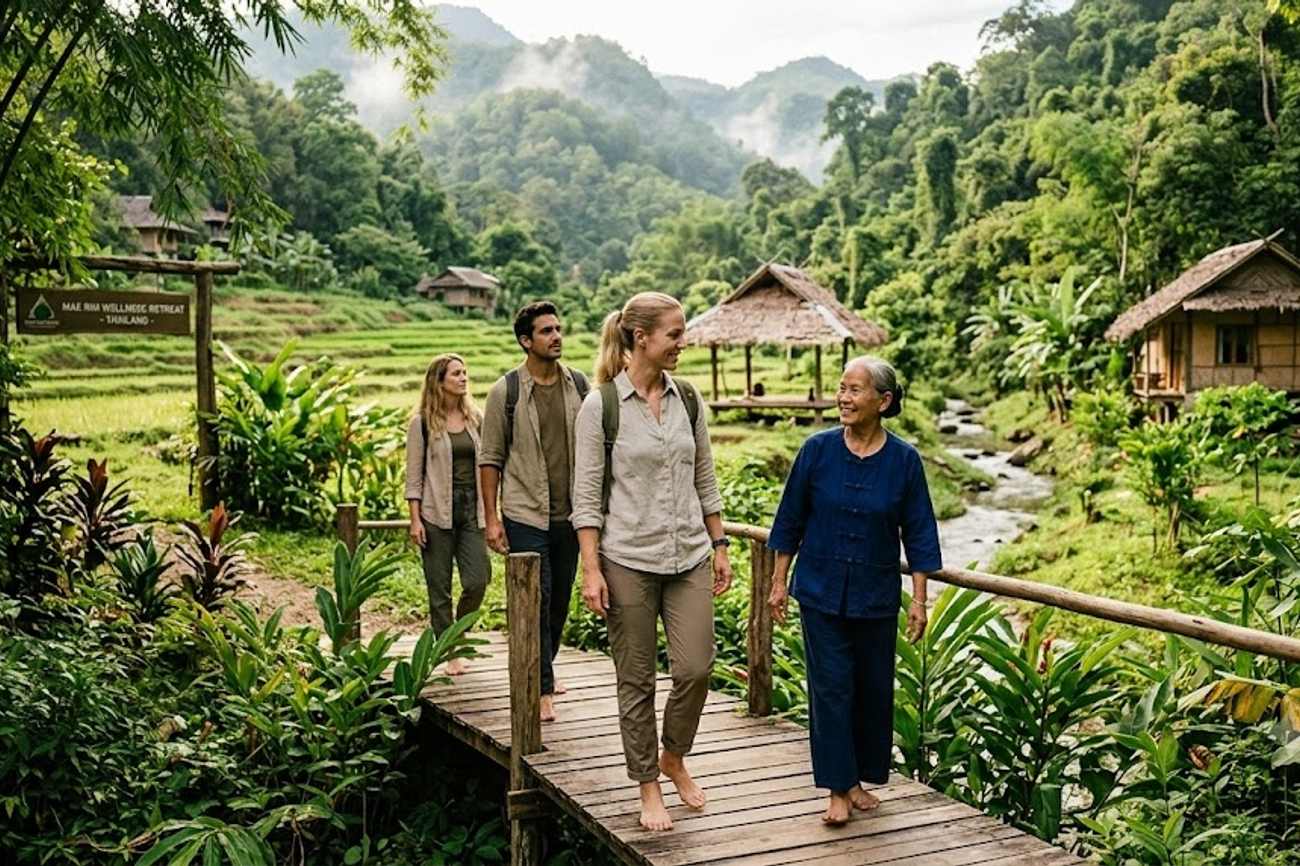
Image generated by AI
[Bangkok, January 2026] — Thailand is aggressively pivoting its national tourism strategy to target high-value European markets, prioritizing sustainable wellness and premium lifestyle experiences over mass-market sightseeing. The Tourism Authority of Thailand (TAT) is now positioning the kingdom as a global hub for health, gastronomy, and nature-based travel to drive a more sustainable recovery of the international arrivals sector.
The 2026 initiative specifically targets travelers from Norway, Spain, France, Germany, Italy, and the United Kingdom. By shifting the focus from raw visitor volume to "higher-value" tourists, the Thai government aims to increase average spending per person and extend the average length of stay. This strategic realignment seeks to reduce the environmental strain on over-visited landmarks while funneling economic benefits directly into local communities and lesser-known provinces.
The Shift Toward Sustainable Value
The immediate catalyst for this shift is a growing demand among European demographics for "slow travel" and ethical tourism. Rather than traditional tour-bus itineraries, the Tourism Authority of Thailand (TAT) is marketing the country as a destination for holistic health and cultural immersion.
This strategy is built on several pillars:
- Wellness Integration: Combining modern medical facilities with traditional Thai healing and mindfulness.
- Gastronomic Tourism: Utilizing Thailand's world-renowned food culture to attract culinary enthusiasts, particularly from Mediterranean markets.
- Eco-Centric Development: Promoting nature-based holidays and conservation-led experiences to appeal to environmentally conscious travelers.
- Community-Based Tourism: Encouraging visitors to explore smaller villages and artisan communities to spread wealth beyond the primary hubs of Bangkok and Phuket.
Market-Specific Impacts and Targets
Thailand has tailored its outreach to match the specific psychological and cultural drivers of key European nations.
| Target Market | Primary Attraction Drivers | Key Destinations |
|---|---|---|
| Norway | Winter sun, wellness retreats, nature-based adventure | Phuket, Krabi, Koh Samui, Chiang Mai |
| Spain | Gastronomy, heritage, lifestyle and cultural discovery | Bangkok, Northern Highlands, Southern Islands |
| France | Traditional Thai healing, organic food, eco-resorts | Rural communities, specialized wellness hubs |
| Germany | Responsible tourism, environmental conservation, long-stay | Chiang Mai, Marine eco-zones |
| Italy | Slow travel, artisan communities, culinary exploration | Traditional markets, cultural heritage sites |
| United Kingdom | Premium luxury, family-centric wellness, adventure | Luxury resorts, high-end beach properties |
What This Means for Travelers
For the average traveler booking a trip to Thailand in 2026, this strategic shift manifests as a change in available infrastructure and promotional offers. The "backpacker" image is being intentionally supplemented—and in some sectors replaced—by a "premium wellness" identity.
Booking and Logistics Travelers can expect a surge in specialized "wellness packages" that bundle accommodation with health programs, meditation, and organic dietary plans. There is a clear push toward longer itineraries; airlines and hotels are likely to offer incentives for stays exceeding two weeks to support the "slow travel" mandate.
Destination Availability While the "big three" (Bangkok, Phuket, and Chiang Mai) remain central, there is a concerted effort to divert traffic to secondary cities. Travelers may find more streamlined transport and improved hospitality services in previously overlooked provinces as the government incentivizes the expansion of the tourism footprint.
Pricing and Value The focus on "high-value" visitors suggests a rise in premium-tier offerings. While budget travel remains possible, the marketing weight is shifting toward luxury resorts and high-end sustainable lodges. Travelers seeking "authentic" experiences will find more curated, community-led tours that prioritize environmental impact over convenience.
The 2026 Roadmap for Growth
The Thai government is coordinating with international aviation partners and the International Air Transport Association (IATA) to ensure connectivity matches these new targets. The goal is to create a seamless pipeline for European travelers seeking long-haul escapes from the winter cold.
In the coming months, expect increased cooperation between Thai tourism boards and European travel agencies to promote "multi-experience" journeys. For example, a single itinerary may now be marketed to a Spanish traveler as a blend of Bangkok’s urban energy, the cultural depth of the North, and the wellness retreats of the South.
Furthermore, the emphasis on sustainability is not merely marketing. The government is implementing stricter environmental guidelines for resorts and tour operators to ensure that the influx of European "eco-tourists" does not lead to the degradation of the very nature they are coming to see. This includes a crackdown on unsustainable marine tourism and a push for organic certification in the hospitality sector.
FAQ: Thailand European Tourism 2026
Is Thailand still affordable for budget travelers in 2026? Yes. While the government is targeting "high-value" tourists and premium wellness markets, the existing infrastructure for budget and mid-range travel remains. The shift focuses on adding luxury and sustainable options rather than removing affordable ones.
What is "Slow Travel" in the context of Thailand? Slow travel encourages visitors to stay longer in one location, engage deeply with local culture, and reduce their carbon footprint. Instead of visiting five cities in ten days, travelers are encouraged to spend weeks immersing themselves in a single region.
Which regions are best for wellness and health tourism? Chiang Mai is the primary hub for mindfulness and mountain retreats, while Phuket, Koh Samui, and Krabi offer world-class spa and medical wellness facilities integrated with beach environments.
How does the 2026 strategy impact sustainable travel? The strategy prioritizes "responsible tourism" by promoting lesser-known destinations to prevent over-tourism in hotspots and encouraging eco-friendly resorts that support local conservation and community employment.
Thailand is no longer just a stop on a sightseeing map; it is rebranding as a sanctuary for the global soul.
#ThailandTourism2026 #EuropeanTravelTrends #WellnessTourism #SustainableTravelThailand #BKK #CNX #HKT #TAT2026
Related Travel Guides
- Vietnam’s Sun PhuQuoc Airways Unlocks New Tourism Growth With Asia’s Best Leisure Airline Award
- Vietnam Captures Global Attention As World Travel Awards 2026 Asia Nominations Spotlight Its Tourism Strength
- Vietnam and China Boost Border Tourism as Lang Son and Guangxi Create New Cross Border Travel Experiences
Disclaimer
This article is for informational and educational purposes only. It does not constitute legal, financial, or professional advice. While we strive to provide accurate and up-to-date information, travel policies, regulations, and conditions change rapidly. Always verify information with official sources before making travel decisions. Nomad Lawyer makes no representations about the accuracy, reliability, completeness, or suitability of the information provided. Readers should consult qualified professionals for advice specific to their circumstances. The views expressed in this article are those of the author and do not necessarily reflect the views of Nomad Lawyer.
Preeti Gunjan
Contributor & Community Manager
A passionate traveller and community builder. Preeti helps grow the Nomad Lawyer community, fostering engagement and bringing the reader experience to life.
Learn more about our team →