
Norway Follows Iceland as Europe Ignites Autumn Aurora Rush With Northern Lights Escapes Surging
Norway Follows Iceland as Europe Ignites Autumn Aurora Rush With Northern Lights Escapes Surging

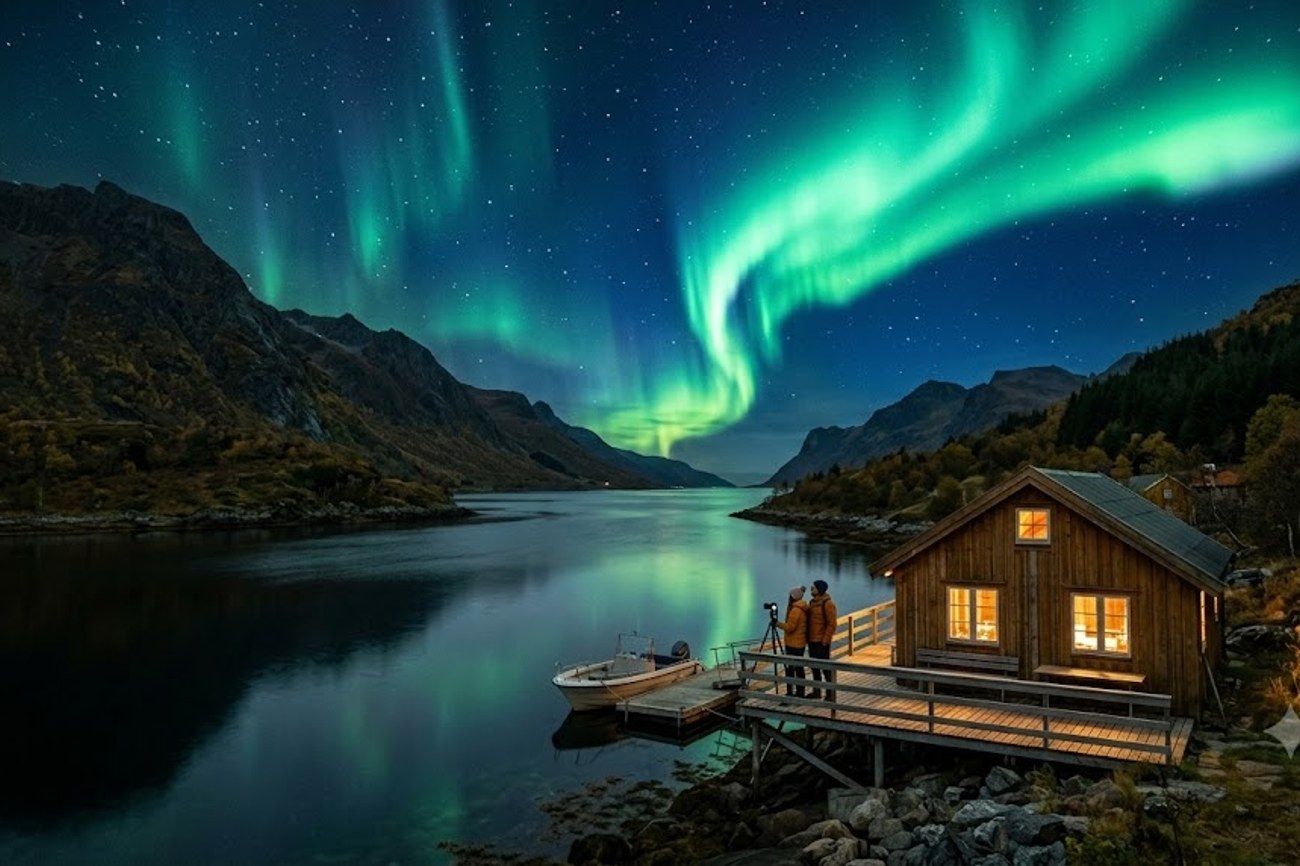
Image generated by AI
[Oslo, October 2025] — Northern European tourism is experiencing a massive shift as travelers abandon traditional winter timelines to hunt the aurora borealis during the autumn shoulder season. New data indicates a surge in demand for early-season trips to Norway and Iceland, driven by a desire to combine celestial viewing with accessible outdoor exploration before the onset of Arctic freezes.
The trend is most visible in UK market behavior, where search volumes for specific Nordic destinations for autumn 2026 have spiked significantly. This movement represents a fundamental change in seasonal travel patterns, moving the "aurora rush" from the deep winter months into September and October. Travelers are increasingly prioritizing destinations that offer dark skies without the logistical constraints of extreme winter weather.
The Shift to Autumn Aurora Hunting
The primary catalyst for this trend is a combination of scientific timing and a desire for diverse landscapes. While the Northern Lights are a year-round phenomenon, they require total darkness to be visible. As summer daylight recedes in the high north, the viewing window opens.
According to guidelines from Visit Norway, September and October are statistically high-activity months for auroral displays. Similarly, Finland's official tourism bodies track the aurora season from late August through early April. The autumn window is particularly prized because it coincides with a period of heightened solar activity and magnetic field interaction, often resulting in more vivid displays than those seen in mid-winter.
Beyond the science, the "shoulder season" allows for a hybrid itinerary. Visitors can engage in mountain trekking, fjord exploration, and village tours during the day—activities that are often hindered by heavy snow and ice in January—while dedicating their nights to the sky.
Markets and Destinations Impacted
The transition toward autumn travel is reflected in recent accommodation and search data. While overall Q2 2026 tourist nights showed mixed results across the region, the specific interest in autumn aurora hubs is climbing.
Regional Accommodation Trends (Q2 2026 vs Q2 2025):
- Sweden: 17,348,513 nights (+2.7%)
- Norway: 10,609,423 nights (+0.4%)
- Finland: 5,286,717 nights (-2.1%)
- Iceland: 2,358,757 nights (-2.1%)
Specific Destination Search Surges (UK Market for Autumn 2026):
- Tromsdalen, Norway: Over 200% increase year-on-year.
- Lofoten, Norway: 69% increase year-on-year.
- Hornafjörður, Iceland: 31% increase year-on-year.
Tromsdalen has emerged as the primary hotspot. Located across the water from the transport hub of Tromsø, it provides the necessary darkness and accessibility. Norwegian tourism authorities are now actively steering visitors toward this autumn window to alleviate the extreme congestion typically seen in the winter peak. Other recommended alternatives include Alta, Lyngen, and Senja.
Lofoten is also seeing a surge in interest due to its dramatic geography. Unlike urban bases, the Lofoten archipelago offers a mix of fishing villages and jagged peaks, providing photographers with a varied foreground of vegetation and water that disappears once the landscape is blanketed in snow.
What This Means for Travelers
For the modern nomad or vacationer, this shift changes the logistics of planning a Nordic trip. Moving a booking from December to October has several immediate practical implications:
1. Gear Requirements: Travelers can swap heavy-duty polar gear for layered autumn clothing. While the Arctic remains cold, the absence of deep snow allows for more flexible footwear and easier mobility during the day.
2. Cost and Availability: By targeting the shoulder season, travelers may find more availability in boutique accommodations and avoid the "winter premium" pricing often applied to peak aurora dates in January.
3. Itinerary Flexibility: The "day-night split" is now the standard. Travelers can book hiking tours or boat trips through the Icelandic Tourist Board or Norwegian operators during daylight hours, rather than spending the majority of their trip indoors waiting for nightfall.
4. Risk Management: It is critical to remember that the aurora is a natural phenomenon. Neither the Norwegian Meteorological Institute nor local tour operators can guarantee a sighting. Autumn travel reduces the risk of weather-related flight cancellations common in winter, but it does not guarantee a clear sky.
The 2026 Outlook
The trend suggests a permanent redistribution of tourism flow in the Arctic circle. As more travelers realize that September and October offer a balance of accessibility and visibility, the traditional "winter peak" may flatten.
Tourism boards in Finland and Iceland are expected to further lean into this "Autumn Escape" marketing to stabilize their year-round economies. For destinations like Hornafjörður in southeast Iceland, this influx of autumn visitors provides a critical economic boost during a period that was previously considered a lull between the summer rush and the winter freeze.
The focus for 2026 will likely shift toward "immersive nature experiences"—trips that prioritize the colorful autumn foliage and fjord landscapes as much as the lights themselves. This evolution transforms the Northern Lights from a standalone attraction into one component of a broader seasonal experience.
FAQ: Autumn Aurora Travel 2026
When is the best time to visit Norway or Iceland for autumn lights? September and October are the prime months. They offer the necessary darkness for visibility while maintaining manageable temperatures and accessible roads for daytime exploration.
Is it easier to see the Northern Lights in autumn than in winter? The probability of a sighting depends on solar activity, not the month. However, autumn often provides better weather for travel and more varied landscapes for photography than the deep winter.
Do I need special equipment for an autumn trip? Layered clothing is essential. While you won't need extreme polar gear, waterproof jackets and sturdy hiking boots are necessary for exploring fjords and mountains during the day.
Which Norwegian city is the best hub for autumn aurora trips? Tromsø remains the primary hub due to its transport links, but Tromsdalen and the surrounding areas of Alta and Senja are becoming highly popular for those seeking quieter environments.
The Arctic is opening its doors earlier, trading frozen tundras for autumn gold.
#Tromso2026 #LofotenAutumn #Hornafjordur #VisitNorway #AuroraBorealis2026 #NordicTravelTrends
Related Travel Guides
- India Highlights Mumbai As A One-Day Travel Destination With Heritage, Food And Coastal Icons
- Breaking News: Interrail Unifies European Rail Passes with Major Discount Campaign
- Denver Alongside Atlanta and Two Other Destinations Added as Avelo Airlines Expands McKinney Network With More Travel Choices
Disclaimer
This article is for informational and educational purposes only. It does not constitute legal, financial, or professional advice. While we strive to provide accurate and up-to-date information, travel policies, regulations, and conditions change rapidly. Always verify information with official sources before making travel decisions. Nomad Lawyer makes no representations about the accuracy, reliability, completeness, or suitability of the information provided. Readers should consult qualified professionals for advice specific to their circumstances. The views expressed in this article are those of the author and do not necessarily reflect the views of Nomad Lawyer.
Kunal K Choudhary
Co-Founder & Contributor
A passionate traveller and tech enthusiast. Kunal contributes to the vision and growth of Nomad Lawyer, bringing fresh perspectives and driving the community forward.
Learn more about our team →