
India Highlights Mumbai As A One-Day Travel Destination With Heritage, Food And Coastal Icons
India Highlights Mumbai As A One-Day Travel Destination With Heritage, Food And Coastal Icons

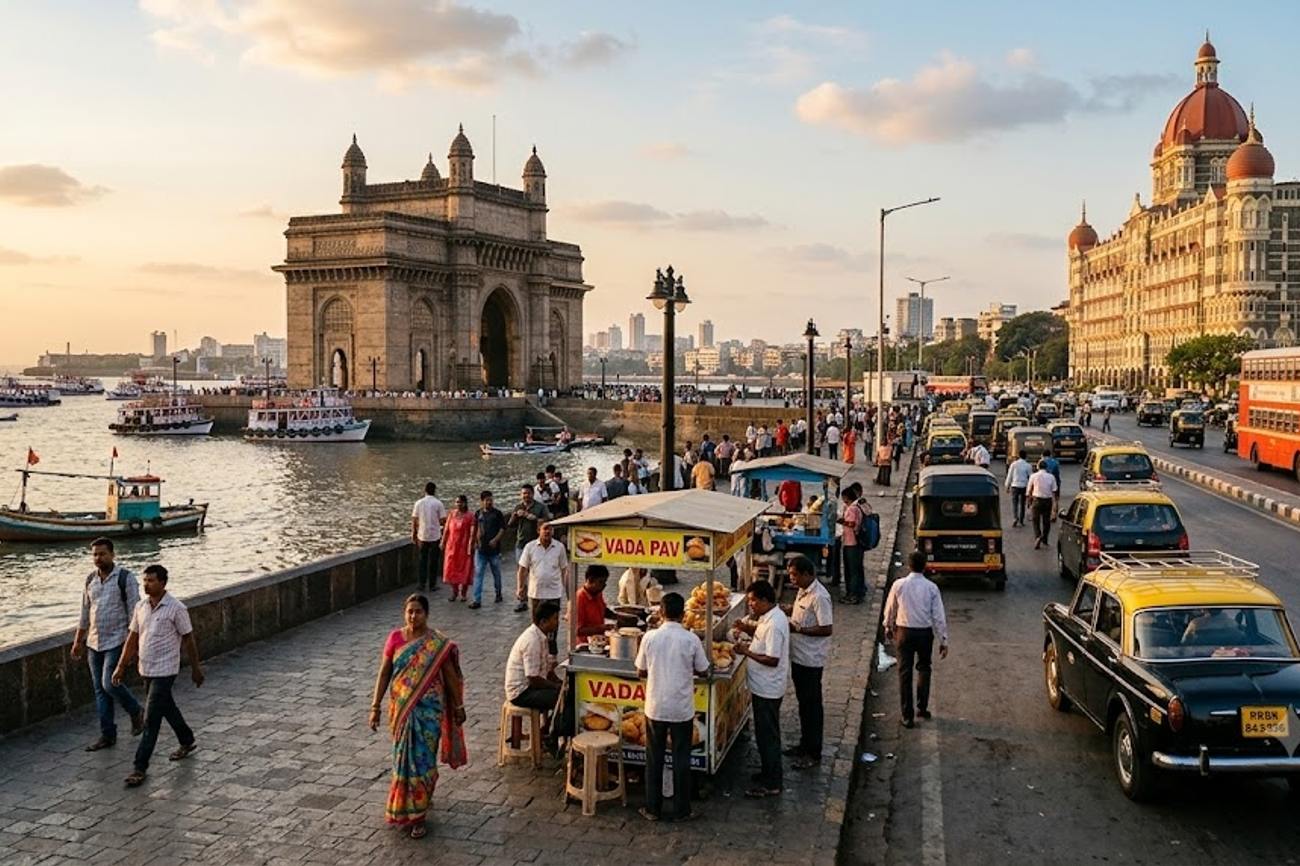
Image generated by AI
[Mumbai, October 2023] — Mumbai is aggressively positioning itself as a premier destination for "short-break" travelers, leveraging a high-density concentration of UNESCO heritage sites, coastal landmarks, and cultural districts to attract visitors who cannot commit to long-term stays. The city's strategic layout allows for a comprehensive urban experience—spanning from the Victorian Gothic architecture of the south to the modern infrastructure of the western suburbs—within a single 24-hour window.
The current travel trend emphasizes "concentrated introductions," where visitors bypass traditional multi-day tours in favor of a high-velocity itinerary. By grouping attractions into logical geographic clusters, the city is mitigating the impact of its notorious traffic congestion, allowing tourists to transition from the historic center toward the Arabian Sea and eventually into the residential hubs of Bandra. This shift reflects a broader global movement toward "micro-tourism," where the efficiency of the itinerary is as important as the destination itself.
The Strategic Urban Layout
The city's appeal for short-term visitors relies on a binary geographical split. South Mumbai serves as the primary hub for heritage and colonial-era architecture, while the western suburbs provide a contemporary contrast defined by luxury dining and modern residential development. This allows travelers to experience two distinct versions of the city without extensive transit times, provided they follow a structured timeline.
The following table outlines the optimized operational flow for a one-day Mumbai transit:
| Attraction | Primary Experience | Optimal Timing |
|---|---|---|
| Chhatrapati Shivaji Maharaj Terminus | UNESCO Heritage Architecture | Early Morning |
| Kala Ghoda District | Art Galleries & Historic Streets | Morning |
| Chhatrapati Shivaji Maharaj Vastu Sangrahalaya | Art & Natural History | Late Morning |
| Marine Drive | Coastal Promenade | Late Morning |
| Mohammed Ali Road | Local Culinary Exploration | Afternoon |
| Chor Bazaar | Vintage & Second-hand Markets | Afternoon |
| Haji Ali Dargah | Sufi Spiritual Heritage | Afternoon |
| Bandra-Worli Sea Link | Modern Civil Engineering | Late Afternoon |
| Bandra West | Contemporary Dining & Culture | Evening |
| Gateway of India | Waterfront Landmark | Evening |
The Heritage Core: South Mumbai
The journey begins at the Chhatrapati Shivaji Maharaj Terminus (CSMT), a structure completed in 1887. As a recognized UNESCO World Heritage Site, the terminus is a prime example of Victorian Gothic Revival architecture fused with traditional Indian decorative elements. For the traveler, the site serves as more than a transit hub; it is a living museum of urban rhythm. Starting here in the early morning is a tactical necessity to avoid the peak commuter surge and secure better visibility of the facade.
From the terminus, the route shifts to the Kala Ghoda district. Named after a "black horse" statue that once anchored the area, this neighborhood has evolved into the city's creative epicenter. It is characterized by a high density of art galleries, boutique cafés, and heritage buildings. This area allows visitors to engage with Mumbai's intellectual and artistic identity on foot, reducing reliance on vehicular transport during the morning hours.
The cultural immersion continues at the Chhatrapati Shivaji Maharaj Vastu Sangrahalaya. This institution, housed in a building featuring Indo-Saracenic architecture, manages extensive collections of archaeology and miniature paintings. Because a one-day itinerary is time-constrained, the museum serves as a critical "contextual anchor," providing the historical background necessary to understand the city's subsequent stops.
Coastal and Culinary Integration
As the itinerary moves toward the waterfront, Marine Drive offers a transition from dense architecture to open coastal space. This curved promenade along the Arabian Sea is a defining feature of the city's urban identity. While famous for its nighttime skyline, a daytime visit highlights the social fabric of the city, where the promenade serves as a public living room for residents and tourists alike.
The afternoon focuses on sensory experiences, starting with Mohammed Ali Road. This district is the heart of Mumbai's diverse culinary scene, specifically known for traditional dishes such as seekh kebabs and Nihari. For the international traveler, this stop represents a direct engagement with the city's multicultural history through food, though it requires a level of caution regarding food hygiene and dietary restrictions.
Following the culinary stop, the itinerary moves to Chor Bazaar. This market is a hub for vintage collectibles, antique furniture, and second-hand goods. While local folklore surrounds the market's origins, its current value lies in its atmosphere of discovery. Travelers are advised to exercise due diligence regarding the provenance and condition of any "antique" items purchased here.
Spiritual and Modern Infrastructure
The spiritual component of the day is centered on the Haji Ali Dargah. This white marble shrine, dedicated to the Sufi saint Pir Haji Ali Shah Bukhari, is located on an islet connected to the mainland by a narrow causeway. Access to the shrine is strictly governed by the tides of the Arabian Sea; when the tide is high, the causeway is submerged, making the shrine inaccessible. This makes real-time tide monitoring a mandatory part of the logistics for any visitor.
The final leg of the journey involves a transition to the western suburbs via the Bandra-Worli Sea Link. This cable-stayed bridge is a marvel of modern Indian engineering and provides a visual bridge between the colonial past of South Mumbai and the cosmopolitan present of Bandra. Crossing the link offers a panoramic view of the coastline and signifies the shift toward the city's modern residential and entertainment districts.
The day typically concludes in Bandra West, known for its vibrant neighborhood culture and upscale dining, or returns to the Gateway of India for a final waterfront view. The choice depends heavily on current traffic conditions—a volatile factor in any Mumbai transit plan.
What This Means for Travelers
For the modern nomad or business traveler on a layover, Mumbai is no longer a city that requires a week-long commitment to "see." The ability to compress the experience into a single day means that the city is now a viable stop for those traveling between Europe and Asia or those on short corporate assignments.
However, this "compressed" travel style introduces specific risks:
- Logistical Volatility: Reliance on a tight schedule means that a single traffic jam or a high-tide event at Haji Ali Dargah can derail the entire itinerary.
- Physical Demand: The suggested route involves significant walking and rapid transitions between high-sensory environments (from the quiet of a museum to the chaos of Mohammed Ali Road).
- Health Considerations: Engaging with street food in high-density areas like Mohammed Ali Road requires travelers to be mindful of water quality and food preparation standards.
The Future of Mumbai's Tourism Model
The city is likely to continue refining this "hub-and-spoke" tourism model. By promoting specific districts as "experience clusters," Mumbai can better manage tourist flow and reduce the pressure on its transport infrastructure. Future developments in the Mumbai Metro system are expected to further accelerate this trend, allowing travelers to leapfrog traffic and reach the western suburbs in a fraction of the current time.
As the city continues to integrate its colonial heritage with 21st-century infrastructure, the "one-day" model will likely evolve into a "weekend" model, incorporating overnight stays in Bandra or Colaba to allow for a deeper exploration of the city's nightlife and luxury hospitality sectors.
FAQ: Mumbai Short-Break Travel 2023
Is it actually possible to see Mumbai in one day? Yes, by focusing on the South Mumbai heritage cluster and the Bandra-Worli corridor. While you cannot see everything, a structured itinerary allows you to experience the city's primary architectural, spiritual, and culinary highlights.
How do I handle transportation between these sites? A combination of ride-sharing apps and walking is most efficient. For the transition from South Mumbai to Bandra, the Bandra-Worli Sea Link is the fastest route, though it is subject to tolls and traffic.
What is the most important timing factor for the itinerary? Tide levels for Haji Ali Dargah. Because the causeway floods during high tide, you must check local tide charts before heading to the shrine, or you will find the site inaccessible.
Are the heritage sites like CSMT free to visit? The exterior of the Chhatrapati Shivaji Maharaj Terminus is accessible to the public for free. However, specific museums, such as the Vastu Sangrahalaya, require paid admission tickets.
Mumbai remains a city of contradictions, where 19th-century Gothic spires share the skyline with 21st-century cable-stayed bridges.
#MumbaiTravel #CSMT #BandraWorliSeaLink #UNESCOIndia #MumbaiItinerary2023 #SouthMumbaiTourism
Related Travel Guides
- Breaking News: Interrail Unifies European Rail Passes with Major Discount Campaign
- Denver Alongside Atlanta and Two Other Destinations Added as Avelo Airlines Expands McKinney Network With More Travel Choices
- Uzbekistan Airways Upgrades Premium Cabins: Silk Road Heritage and Modern Aviation Guide 2026
Disclaimer
This article is for informational and educational purposes only. It does not constitute legal, financial, or professional advice. While we strive to provide accurate and up-to-date information, travel policies, regulations, and conditions change rapidly. Always verify information with official sources before making travel decisions. Nomad Lawyer makes no representations about the accuracy, reliability, completeness, or suitability of the information provided. Readers should consult qualified professionals for advice specific to their circumstances. The views expressed in this article are those of the author and do not necessarily reflect the views of Nomad Lawyer.
Kunal K Choudhary
Co-Founder & Contributor
A passionate traveller and tech enthusiast. Kunal contributes to the vision and growth of Nomad Lawyer, bringing fresh perspectives and driving the community forward.
Learn more about our team →