
Six Underrated Northern European Coolcation Escapes for 2026: Westfjords, Helgeland Coast, and Baltic Island Travel Guide

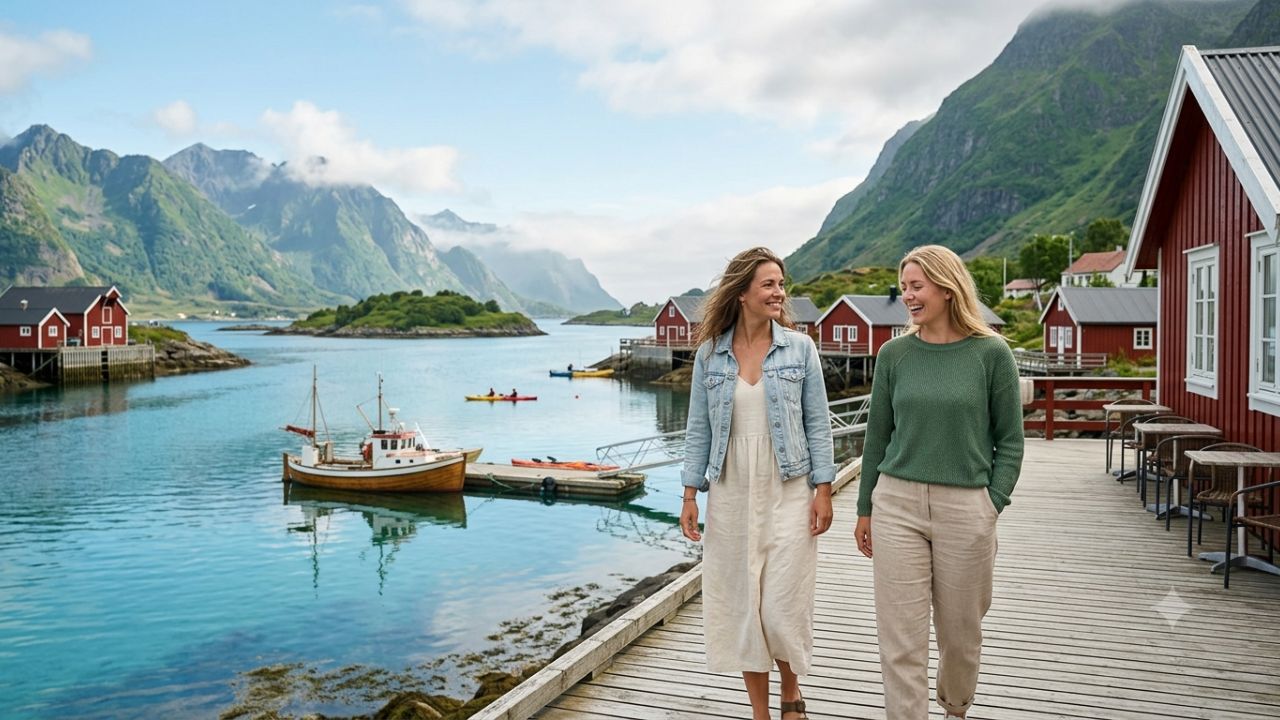
As shifting global weather patterns and intense Mediterranean heatwaves redefine summer holiday preferences, international travelers are increasingly turning toward Northern Europe for coolcation escapes, seeking temperate summer weather, uncrowded coastlines, and pristine natural surroundings.
Rather than congregating around heavily visited capital cities or congested tourist hubs, curious explorers are heading into the remote peninsulas, archipelago routes, and historic Baltic islands of the Nordic and Baltic nations. Leading this emerging travel shift are six distinctive destinations: Iceland’s dramatic Westfjords, Norway’s island-strewn Helgeland Coast, Finland’s autonomous Åland Islands, Estonia’s tranquil island of Saaremaa, Denmark’s cycling haven of Bornholm, and Sweden’s medieval Baltic bastion of Gotland.
A true coolcation combines comfortable outdoor temperatures with authentic cultural heritage, locally sourced food, reliable regional transit connections, and opportunities for unhurried exploration. This authoritative guide examines each of these six lesser-known Northern European destinations, detailing regional transit connections, recommended durations, outdoor experiences, culinary specialties, and official multi-year tourism statistics.
Northern Europe Coolcation Concept: Purposeful Summer Travel in Temperate Latitudes
The coolcation phenomenon reflects a structural evolution in global leisure travel. While warm-weather beach vacations remain popular, expanding numbers of travelers are actively avoiding oppressive midsummer heat, opting instead for destinations where daytime temperatures hover between 15°C and 22°C (59°F to 72°F).
However, traveling north does not automatically guarantee constant cold weather. Nordic and Baltic summers feature extended daylight hours, rapid microclimatic shifts, and occasional localized warm spells. The primary advantage of a coolcation lies in the ability to hike, cycle, kayak, and explore historic settlements during peak midday hours without thermal exhaustion.
For international travelers, selecting the right coolcation requires balancing accessibility with solitude:
- Remote fjord regions like the Westfjords or Helgeland Coast demand deliberate route planning around ferries, single-lane tunnels, and changing coastal weather.
- Island archipelagos like Åland, Bornholm, Gotland, and Saaremaa offer gentle topography, well-developed cycling networks, and established seaside hospitality.
1. Westfjords, Iceland: Dramatic Fjords, Cascading Waterfalls, and Arctic Seabirds
Located in Iceland’s northwestern corner, the Westfjords (Vestfirðir) represent one of the most geologically ancient and sparsely populated regions of the country. Cut off from Iceland’s primary Ring Road (Route 1), this remote peninsula rewards travelers with steep mountain plateaus plunging directly into deep Atlantic fjords.
Key Sights and Outdoor Activities
- Dynjandi Waterfall: Often called the jewel of the Westfjords, Dynjandi cascades over 100 meters down a stepped rock face resembling a bridal veil. Visitors should allocate at least two hours to hike the marked trail past six smaller tier waterfalls to reach the main thunderous cascade.
- Látrabjarg Bird Cliffs: Marking Europe’s westernmost point, these towering 14-kilometer-long cliffs rise over 400 meters above the sea. During June and July, Látrabjarg hosts millions of nesting seabirds, including Atlantic puffins, razorbills, guillemots, and fulmars.
- Ísafjörður: The regional hub of the Westfjords, nestled inside Skutulsfjörður. The historic town center features well-preserved 18th-century timber merchant buildings housing maritime museums, artisan coffee roasters, and local guide outfitters.
- Guided Sea Kayaking and Hiking: The nearby Hornstrandir Nature Reserve, accessible only by scheduled passenger boats from Ísafjörður, offers roadless wilderness hiking and Arctic fox tracking for experienced, self-sufficient hikers.
Local Gastronomy and Where to Stay
Dining in the Westfjords revolves around Atlantic catches and highland sheep:
- Arctic Char and Fresh Cod: Served pan-fried with butter, capers, and baby potatoes.
- Kjötsúpa (Traditional Icelandic Lamb Soup): A comforting broth simmered with tender local lamb, rutabagas, and carrots.
- Ísafjörður Fish Soup: Famous regional variations enriched with cream, sherry, and seasonal shellfish.
Ísafjörður offers the widest range of hotels, modern guesthouses, and self-catering apartments. Rural settlements such as Patreksfjörður, Bíldudalur, and Þingeyri feature smaller guesthouses and converted farmsteads. Because driving distances between fjords are substantial, travelers should reserve evening dining at rural accommodations well in advance.
Recommended 6-Day Westfjords Travel Plan
- Day 1: Arrive in Ísafjörður via domestic flight from Reykjavík or rental car via Route 60/61; explore the historic harbor and Westfjords Heritage Museum.
- Day 2: Scenic fjord drive through Súðavík and the Arctic Fox Centre, continuing through eastern fjord villages.
- Day 3: Full-day excursion to Dynjandi waterfall, walking the ascending trail and photographing the cascading tiers.
- Day 4: Guided sea kayaking in Ísafjarðardjúp or wildlife watching around Vigur Island.
- Day 5: Journey south toward Patreksfjörður and explore the Látrabjarg bird cliffs, adhering strictly to safety borders.
- Day 6: Relax in the geothermal pools of Reykjafjörður before beginning the onward journey toward western Iceland.
2. Helgeland Coast, Norway: Island Labyrinths and Iconic Granite Peaks
Stretching along Norway’s Nordland county just south of the Arctic Circle, the Helgeland Coast (Helgelandskysten) offers a serene, unhurried alternative to Norway's heavily trafficked southwestern fjords. The region is traversed by the scenic Kystriksveien coastal highway (Fv17), recognized as one of the world's most spectacular coastal driving routes.
Key Sights and Outdoor Activities
- The Seven Sisters (De syv søstre): A majestic chain of granite peaks on the island of Alsta near Sandnessjøen. Marked trails allow experienced hillwalkers to summit individual peaks or conquer all seven in a challenging day-long endurance trek.
- Torghatten: Located near Brønnøysund, this distinctive mountain is world-renowned for the natural 160-meter-long hole piercing clean through its granite center. A reinforced walking path guides visitors up to and through the vast natural cathedral.
- Lovund Island: A rocky outpost situated far out to sea, home to an enormous puffin breeding colony numbering over 200,000 birds that return every spring to nest in the rocky scree.
- Vega Archipelago: A UNESCO World Heritage Site consisting of more than 6,500 islands, shallow sounds, and reefs that celebrate the centuries-old symbiotic relationship between local islanders and wild eider ducks.
Local Gastronomy and Where to Stay
Helgeland's culinary culture is shaped by the pristine waters of the Norwegian Sea:
- Arctic Skrei and Halibut: Freshly caught whitefish prepared with root vegetable purees and rich browned butter.
- Boknafisk: Traditional half-dried cod gently poached and served with bacon fat, stewed peas, and boiled potatoes.
- Local Dairy and Cloudberries: Artisanal cheeses from coastal farmsteads served with wild Arctic berries.
Sandnessjøen and Brønnøysund provide reliable mainland bases with full-service hotels and rental car agencies. For an authentic coastal experience, travelers should book traditional coastal cabins (rorbuer) or waterfront guesthouses on Lovund, Herøy, or Dønna.
Recommended 7-Day Helgeland Coast Travel Plan
- Day 1: Arrive in Sandnessjøen; walk the waterfront promenade and sample local seafood soup.
- Day 2: Hike one of the lower peaks of the Seven Sisters mountain range suited to weather conditions.
- Day 3: Drive south along the Kystriksveien toward Brønnøysund; hike the trail through the Torghatten tunnel.
- Day 4: Take a passenger ferry to Lovund Island; explore the harbor and watch puffins return to their coastal nests at dusk.
- Day 5: Ferry across to the Vega Archipelago; visit the World Heritage Center and walk the coastal heritage trails.
- Day 6: Return to the mainland by ferry, allowing adequate connection buffers for weather delays.
- Day 7: Depart via Brønnøysund Airport or continue north along the Kystriksveien toward Bodø.
3. Åland Islands, Finland: Nordic Maritime Heritage and Archipelago Cycling
Positioned in the Gulf of Bothnia between Finland and Sweden, the Åland Islands constitute an autonomous, Swedish-speaking archipelago of over 6,500 islands and skerries. With gently undulating terrain, sunny microclimates, and an integrated system of inter-island bridges, causeways, and ferries, Åland represents one of Northern Europe’s premier cycling regions.
Key Sights and Outdoor Activities
- Mariehamn: The archipelago’s charming capital city. The town’s Maritime Quarter (Sjökvarteret) preserves traditional boatbuilding crafts, while the majestic four-masted steel barque Pommern, berthed beside the Åland Maritime Museum, offers the world's only preserved original windjammer in its original state.
- Bomarsund Fortress Ruins: The sprawling remnants of an enormous 19th-century Russian fortress destroyed during the Crimean War in 1854.
- Kastelholm Castle: A picturesque medieval stone fortress dating back to the 1380s, situated on an inlet surrounded by tranquil forest trails and open-air folk architecture.
- The Åland Archipelago Trail: A signposted touring network guiding cyclists across rural islands connected by free provincial ferries.
Local Gastronomy and Where to Stay
Åland takes immense pride in its agricultural self-sufficiency and coastal bounty:
- Åland Pancake (Ålandspannkaka): A thick semolina or rice-based baked pancake spiced with cardamom, traditionally served with stewed local prunes or snowberries and fresh whipped cream.
- Artisan Smoked Salmon and Perch: Freshly caught from the surrounding Baltic waters.
- Apple Juices and Ciders: Produced from the archipelago's extensive commercial apple orchards.
Mariehamn features established harbor hotels and boutique guesthouses. Outside the capital, travelers can stay in red timber seaside cottages (stugor) or family-run guesthouses equipped with wood-fired saunas.
Recommended 5-Day Åland Islands Travel Plan
- Day 1: Arrive in Mariehamn via ferry from Stockholm, Turku, or Helsinki; collect rental touring bicycles and visit the Pommern.
- Day 2: Cycle northeast toward Sund; tour medieval Kastelholm Castle and the Jan Karlsgården open-air museum.
- Day 3: Explore the historic Bomarsund fortress ruins; enjoy local smoked fish by the waterfront.
- Day 4: Board an archipelago ferry to Föglö or Kökar; cycle through quiet island lanes and stay at a seaside cottage.
- Day 5: Return to Mariehamn along scenic coastal byways, sample warm Åland pancake, and depart by evening ferry.
4. Saaremaa, Estonia: Baltic Spas, Medieval Fortresses, and Historic Windmills
Saaremaa, Estonia’s largest island, guards the entrance to the Gulf of Riga. Known for its juniper-covered fields, historic wooden windmills, and restorative mineral mud traditions, Saaremaa provides a calm, rejuvenating escape steeped in ancient Baltic traditions.
Key Sights and Outdoor Activities
- Kuressaare Episcopal Castle: Built in the late 14th century, this imposing stone fortress is the best-preserved medieval stronghold in the Baltic states, housing the comprehensive Saaremaa Regional Museum.
- Angla Windmill Mount: A protected heritage site featuring five historic wooden windmills representing traditional Saaremaa timber engineering, accompanied by an interactive heritage culture center.
- Panga Cliff: Located on the island’s northern coast, this dramatic limestone cliff rises 21 meters vertically above the Baltic Sea, offering elevated panoramic trails and sunset vantage points.
- Kaali Meteorite Crater Field: A cluster of nine meteorite impact craters formed roughly 3,500 years ago, with the central lake crater measuring 110 meters in diameter.
Local Gastronomy and Where to Stay
Saaremaa’s cuisine showcases rustic Baltic island flavors:
- Smoked Baltic Flounder and Herring: Cured in alder-wood smokehouse ovens located directly behind harbor docks.
- Saaremaa Black Rye Bread (Leib): Dense, naturally fermented sourdough loaf often served with salted herb butter.
- Home-Brewed Juniper Beer (Koduõlu): A traditional farmhouse ale brewed with local barley and flavored with juniper boughs.
Kuressaare is recognized as one of Northern Europe’s leading spa destinations, boasting historic wellness resorts, design spa hotels, and family-friendly retreat properties. Rural guesthouses across the island provide tranquil farm-stay settings surrounded by pine groves and stone walls.
Recommended 4-Day Saaremaa Travel Plan
- Day 1: Board the ferry from Virtsu to Muhu Island, cross the causeway to Saaremaa, and arrive in Kuressaare; visit Kuressaare Castle and waterfront park.
- Day 2: Drive north to visit Angla Windmill Mount, followed by a walk along the coastal limestone trails of Panga Cliff.
- Day 3: Visit the mystical Kaali Meteorite Crater, stop at local artisan cheese and craft workshops, and relax at a Kuressaare mineral spa.
- Day 4: Enjoy a leisurely breakfast featuring warm rye bread, take a morning harbor stroll, and depart via mainland ferry.
5. Bornholm, Denmark: Sunlit Coastal Villages, Granite Cliffs, and Smokehouse Delicacies
Nicknamed "The Sunshine Island," Bornholm sits isolated in the Baltic Sea south of Sweden. Combining dramatic rocky granite bluffs in the north with powder-soft white sand beaches in the south, Bornholm is an acclaimed European culinary hub and a recognized World Craft Region.
Key Sights and Outdoor Activities
- Hammershus Castle Ruins: Northern Europe’s largest medieval fortification ruin, perched dramatically on high sea cliffs overlooking the Baltic. A modern visitor center designed to blend into the surrounding hills provides rich historical context.
- Gudhjem: A picturesque harbor town clinging to granite terraces, known for its red-roofed timber homes, fig trees, and steep cobbled lanes.
- Dueodde Beach: Situated at the southern tip of the island, this vast beach is famous for sand so ultra-fine that it was historically used in hour-glasses.
- Round Churches (Rundkirker): Four unique 12th-century fortified round churches (such as Østerlars), built to serve as both places of worship and defense against Baltic pirates.
Local Gastronomy and Where to Stay
Bornholm has established an outsized reputation for culinary excellence:
- "Sol over Gudhjem" (Sun over Gudhjem): The island’s signature open-faced smørrebrød, featuring freshly smoked herring served on dark rye bread, topped with a raw egg yolk, chives, radishes, and coarse salt.
- Artisan Bornholm Dairy and Ice Cream: Renowned blue cheeses and small-batch ice creams crafted using local organic cream.
- Alder-Wood Smoked Mackerel: Served hot straight from traditional chimney smokehouses.
Rønne, the primary ferry port, offers convenient hotels and transport connections. For a boutique coastal atmosphere, visitors often choose harbor guesthouses, seaside cottages, or converted fishing lodgings in Gudhjem, Svaneke, or Allinge.
Recommended 5-Day Bornholm Travel Plan
- Day 1: Arrive in Rønne via direct ferry from Ystad (Sweden) or flight from Copenhagen; explore Rønne’s historic half-timbered streets.
- Day 2: Travel north to explore Hammershus fortress ruins; walk the surrounding granite cliff trails down to the water.
- Day 3: Cycle through coastal countryside to Gudhjem; visit a local smokehouse for lunch and tour the Østerlars Round Church.
- Day 4: Head south to Dueodde; walk through coastal pine dunes, stroll the wide beaches, and visit craft ceramics workshops in Svaneke.
- Day 5: Sample local artisanal chocolates and ice cream before catching the return ferry or flight.
6. Gotland, Sweden: UNESCO Medieval Heritage and Baltic Limestone Monoliths
Sweden’s largest island, Gotland, rests in the heart of the Baltic Sea. With an exceptionally mild sunny microclimate, Gotland blends ancient Viking history, a magnificent Hanseatic walled city, and striking limestone coastlines.
Key Sights and Outdoor Activities
- Visby (UNESCO World Heritage Site): One of the best-preserved medieval merchant towns in Northern Europe. The town is encircled by a formidable 3.4-kilometer stone defensive wall featuring 27 towers, enclosing cobbled lanes, rose-covered cottages, and evocative ruined gothic churches.
- Fårö Island and Raukar: A short, free car ferry ride north of Gotland leads to the windswept island of Fårö. The coast is dotted with raukar—towering, weathered limestone sea stacks carved by thousands of years of wave erosion.
- Lummelunda Cave: An extensive limestone cave system featuring stalactites, underground streams, and fossil-rich caverns.
- Coastal Cycling Trails: Hundreds of kilometers of designated cycling routes meandering through rural sheep farms, historic windmills, and quiet pebble beaches.
Local Gastronomy and Where to Stay
Gotland’s gastronomy emphasizes island-raised produce, foraged herbs, and coastal seafood:
- Gotland Lamb Dishes: Renowned throughout Sweden for its tender, naturally herb-seasoned flavor.
- Saffranspannkaka (Gotland Saffron Pancake): A baked rice pudding dessert enriched with saffron and almonds, served warm with local dewberry (salmbär) jam and whipped cream.
- Fresh Smoked Flounder and Baltic Herring: Prepared daily in small island harbors.
Visby offers a wide variety of historic boutique hotels, modern waterfront suites, and guesthouses located within the medieval walls. Travelers seeking rural peace can rent classic timber cottages or guesthouses across Fårö and the southern countryside.
Recommended 5-Day Gotland Travel Plan
- Day 1: Arrive in Visby via Destination Gotland ferry from Nynäshamn or Oskarshamn, or direct flight from Stockholm; explore the historic harbor and botanic gardens.
- Day 2: Walk the medieval city walls, visit the Gotland Museum (Fornsalen) to view Viking silver treasures, and tour Saint Karins church ruins.
- Day 3: Take an excursion north to Fårö; explore the dramatic rauk formations at Digerhuvud and Langhammars, and visit the Bergmancenter.
- Day 4: Cycle through Gotland’s southern countryside; visit rural farm shops, historic stone churches, and coastal sheep pastures.
- Day 5: Sample warm saffron pancake at a Visby café, pick up local wool handicrafts, and depart.
Verified Five-Year Tourism Statistics and Statistical Context
Evaluating accommodation metrics provides valuable insight into tourism recovery and demand patterns across Northern Europe. However, official statistics published by national bureaus typically record registered overnight stays across entire countries, which include major metropolitan centers alongside regional destinations.
Table 1: Iceland Registered Accommodation Overnight Stays (2021–2025)
Measure: Total registered overnight stays across all accommodation types nationwide. Source: Statistics Iceland.
| Calendar Year | Registered Overnight Stays | Annual Change (%) | Operational & Tourism Context |
|---|---|---|---|
| 2021 | 5.00 million | Baseline | Ongoing international travel recovery from pandemic measures |
| 2022 | 8.55 million | +70.5% | Rapid return of cross-border leisure and transatlantic flights |
| 2023 | 9.52 million | +11.4% | Broad-based demand expansion across regional touring routes |
| 2024 | ~9.60 million | +0.3% | Stabilization at historically elevated accommodation levels |
| 2025 | ~10.16 million | +5.9% | Preliminary national estimate surpassing 10 million milestone |
Note: Data represents nationwide accommodation activity and serves as statistical context rather than a direct count of Westfjords visitors.
Table 2: Norway Commercial Accommodation Guest Nights (2021–2025)
Measure: Commercial accommodation guest nights across all establishments nationwide. Source: Statistics Norway.
| Calendar Year | Commercial Guest Nights | Annual Change (%) | Foreign Guest Nights Share | Analytical Significance |
|---|---|---|---|---|
| 2021 | 27.1 million | Baseline | Domestic travel dominant | Strong domestic focus during recovery |
| 2022 | 36.1 million | +33.2% | Rebounding foreign arrivals | Reopening of international borders |
| 2023 | 37.0 million | +2.5% | Expanding foreign share | Steady European demand growth |
| 2024 | 38.6 million | +4.2% | 12.4 million foreign nights | New national high for commercial nights |
| 2025 | 40.6 million | +5.2% | 14.2 million foreign nights | Foreign guest nights up 14% year-on-year |
Note: Norway’s national figures illustrate the sustained growth in commercial lodging, encompassing urban, fjord, and Arctic regions.
Table 3: Comparative Five-Year Demand Trajectory (Iceland vs. Norway)
| Comparative Indicator | Iceland (Statistics Iceland) | Norway (Statistics Norway) |
|---|---|---|
| 2021 Baseline Guest Nights | 5.00 million | 27.1 million |
| 2025 Preliminary Guest Nights | ~10.16 million | 40.6 million |
| Five-Year Total Growth (2021–2025) | ~+103% | ~+50% |
| Primary Measuring Unit | Registered overnight stays | Commercial accommodation guest nights |
Table 4: Destination Comparison and Planning Summary
| Destination | Primary Country / Territory | Recommended Duration | Transport Approach | Key Experience Profile |
|---|---|---|---|---|
| Westfjords | Iceland | 4–6 nights | Rental car & regional flights | Steep fjords, Dynjandi, bird cliffs, Arctic foxes |
| Helgeland Coast | Norway | 4–7 nights | Scenic highway Fv17 & car ferries | Seven Sisters peaks, Torghatten, Lovund puffins |
| Åland Islands | Finland (Autonomous) | 3–5 nights | Bicycle, local transport & ferries | Archipelago trails, Mariehamn, Kastelholm Castle |
| Saaremaa | Estonia | 3–4 nights | Mainland car ferry & rental vehicle | Kuressaare Castle, Angla windmills, mineral spas |
| Bornholm | Denmark | 3–5 nights | Ferry from Ystad/Køge & bicycle | Hammershus ruins, smoked herring, Dueodde sand |
| Gotland | Sweden | 3–5 nights | Car ferry & island rental car | Medieval Visby walls, Fårö limestone rauk stacks |
Practical Logistics and Responsible Coolcation Travel Guidelines
To maximize the benefits of a Northern European coolcation while protecting fragile subarctic and island ecosystems, travelers should follow essential logistical and environmental practices:
1. Booking Timelines and Ferry Management
Because these destinations feature seasonal economies, boutique lodging and rental vehicles sell out well ahead of peak July and August weeks:
- Vehicle Ferries: Car ferry reservations for routes such as Bodø–Moskenes/Kystriksveien ferries in Norway, Destination Gotland in Sweden, and Bornholmslinjen in Denmark must be secured weeks in advance if transporting a vehicle.
- Flight Buffers: When connecting from regional hubs (such as Ísafjörður or Brønnøysund) to international departures in Reykjavík or Oslo, build in at least a four-to-six-hour buffer to account for coastal fog or weather delays.
2. Microclimates and Packing Strategies
Summer in Northern Europe is variable and dynamic:
- Layering System: Bring breathable base layers, insulating fleece or wool mid-layers, and a wind-and-waterproof outer shell.
- Footwear: Sturdy waterproof trail shoes are necessary for navigating coastal scree, muddy trails, and slippery granite formations.
- Daylight Adaptations: High latitudes experience near-continuous daylight from late May through July. Pack an eye mask if sleeping in accommodations without total blackout blinds.
3. Environmental Stewardship and Community Respect
Remote coastal communities possess delicate social and ecological infrastructures:
- Tread Lightly on Nesting Grounds: Respect bird sanctuaries and breeding boundaries at Látrabjarg and Lovund. Keep well back from cliff edges and avoid disturbing nesting burrows.
- Support Local Independents: Eat at harbor smokehouses, buy crafts from village artisans, and stay at family-operated guesthouses to ensure tourism revenue directly supports island residents.
- Leave No Trace: Stay on marked walking tracks to prevent trampling fragile subarctic mosses and coastal dune vegetation. Carry all trash back to town recycling facilities.
These six underrated Northern European destinations present an extraordinary blend of cool, revitalizing summer weather, authentic maritime heritage, and peaceful open spaces, offering travelers a rewarding way to discover the timeless appeal of the North.
Related Travel Guides
Disclaimer
This article is for informational and educational purposes only. It does not constitute legal, financial, or professional advice. While we strive to provide accurate and up-to-date information, travel policies, regulations, and conditions change rapidly. Always verify information with official sources before making travel decisions. Nomad Lawyer makes no representations about the accuracy, reliability, completeness, or suitability of the information provided. Readers should consult qualified professionals for advice specific to their circumstances. The views expressed in this article are those of the author and do not necessarily reflect the views of Nomad Lawyer.
Raushan Kumar
Founder & Lead Developer
Full-stack developer with 11+ years of experience and a passionate traveller. Raushan built Nomad Lawyer from the ground up with a vision to create the best travel and law experience on the web.
Learn more about our team →