
North Carolina Largest State Forest: 2026 Wilderness Guide
North Carolina's largest state forest emerges as a premier 2026 wilderness destination, delivering remote hiking trails, primitive camping, and exceptional dark-sky stargazing for adventure travelers seeking solitude.

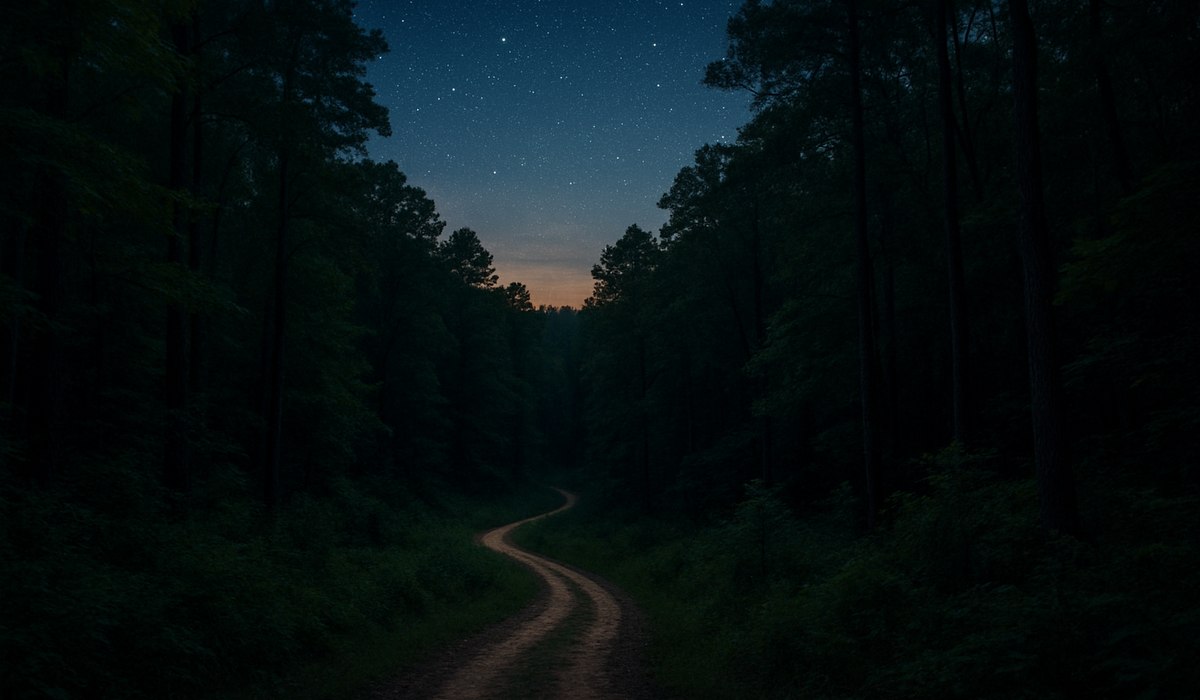
Image generated by AI
North Carolina's Vast Wilderness Emerges as 2026 Stargazing & Hiking Haven
North Carolina's largest state forest is gaining recognition among nomadic travelers and adventure seekers as an underrated wilderness destination. This expansive protected area spans over 160,000 acres, offering visitors thousands of miles of hiking trails, secluded primitive campgrounds, and some of the darkest night skies in the Eastern United States. The forest's remote designation makes it ideal for travelers seeking authentic backcountry experiences away from crowded national parks. During 2026, interest in these lesser-known outdoor destinations continues climbing as digital nomads and location-independent workers prioritize deep-wilderness retreats between remote work stints.
Exploring the Trail Network
The north carolina largest state forest maintains an extensive network of hiking trails ranging from beginner-friendly nature walks to challenging multi-day backpacking routes. Serious hikers gravitate toward the longer trails that traverse pristine hardwood and pine forests, crossing mountain streams and ridgelines with panoramic valley views. Many routes connect to the broader regional trail system, enabling adventurers to customize multi-day expeditions. Trail conditions vary seasonally; spring and fall offer optimal weather, while summer brings lush vegetation and occasional afternoon thunderstorms. Winter hiking remains possible but demands proper preparation and equipment. The forest service provides detailed trail maps and maintains blazes throughout the system, helping navigators avoid becoming disoriented in the expansive wilderness.
For comprehensive trail information and current condition reports, consult the North Carolina State Parks website before planning your backcountry adventure.
Primitive Camping & Dark Skies
Primitive camping defines the experience at North Carolina's largest state forest. Unlike developed campgrounds with utilities and facilities, primitive sites feature basic fire rings, cleared tent areas, and perhaps a water source. This minimal-impact approach preserves the wilderness character while creating exceptional stargazing conditions. Light pollution remains virtually nonexistent across vast portions of the forest, allowing visitors to observe the Milky Way in stunning detail. Amateur astronomers and astrophotographers frequently time visits around new moon phases for maximum darkness. Camping permits are required; regulations prohibit campfires during high fire-danger periods. Campers must practice Leave No Trace principles, including packing out all waste and minimizing water usage from natural sources.
Visit the International Dark-Sky Association to learn about dark-sky friendly practices and certification programs.
Wildlife & Natural Features
The forest ecosystem supports diverse wildlife including black bears, white-tailed deer, wild turkeys, and numerous bird species. Hikers frequently encounter fresh tracks and evidence of wildlife activity, particularly along water corridors and in early morning hours. The landscape transitions between elevation zones, creating varied habitats from laurel thickets to open ridgelines. Seasonal wildflower displays transform meadows during spring and early summer. Geological features include dramatic rock outcroppings, waterfall cascades, and evidence of ancient geological processes. Stream ecosystems remain relatively undisturbed, supporting native brook trout populations. Wildlife encounters typically remain non-threatening when visitors maintain appropriate distance and store food properly.
Planning Your Visit
North Carolina's largest state forest welcomes visitors year-round, though accessibility varies seasonally. Summer and early fall peak seasons attract maximum visitor numbers; spring offers fewer crowds with favorable weather. Winter camping requires cold-weather preparation, as high elevation areas can experience freezing temperatures and occasional snow. Permit acquisition typically occurs through the forest management office; fees range from minimal day-use charges to modest overnight camping permits. Essential gear includes detailed topographic maps, water treatment supplies, weather-appropriate clothing, and navigation devices. Visitors should check current conditions, fire restrictions, and trail closures before departure. The nearest towns offer supply resupply opportunities; plan accordingly if embarking on extended backcountry trips. Cell service remains unreliable throughout most of the forest, making satellite communication devices advisable for safety-conscious travelers.
Comparative State Forest Data (2026)
| Feature | North Carolina's Largest | Regional Average | Visitor Impact |
|---|---|---|---|
| Total Acreage | 160,000+ | 85,000 | High capacity for dispersed camping |
| Annual Visitors | 250,000+ | 180,000 | Growing nomadic traveler interest |
| Hiking Trail Miles | 450+ | 280 | Extensive multi-day options |
| Primitive Campsites | 120+ | 65 | Abundant solitude-focused camping |
| Elevation Range | 2,100–5,400 ft | 1,800–4,200 ft | Diverse ecosystem zones |
| Dark Sky Rating | Excellent (Bortle 2-3) | Good (Bortle 3-4) | Superior stargazing conditions |
| Permit Cost | $8–15/night | $10–20/night | Budget-friendly wilderness access |
What This Means for Travelers
North Carolina's largest state forest expansion in 2026 creates meaningful opportunities for nomadic professionals and adventure travelers:
-
Affordable Wilderness Access: Permit costs remain significantly lower than commercial campgrounds or resort accommodations, stretching travel budgets further while delivering authentic wilderness experiences.
-
Digital Nomad Retreats: Primitive camping combined with dark-sky conditions supports mental health resets during extended remote work periods, offering disconnection opportunities between work obligations.
-
Off-Season Timing: Lower visitor numbers during winter and spring shoulder seasons enable solo travelers and small groups to experience genuine solitude while avoiding crowded destination fatigue.
-
Skill Development: The challenging terrain and primitive conditions provide opportunities for backcountry skills advancement, including navigation, wilderness survival, and Leave No Trace mastery.
-
Content Creation Potential: Exceptional landscape photography and stargazing documentation appeal to travel content creators seeking authentic, lesser-known destinations for audience differentiation.
-
Multi-Day Flexibility: Extensive trail networks support customizable expedition planning, allowing travelers to adjust duration based on schedule flexibility and physical capability.
Frequently Asked Questions
What is the best time to visit North Carolina's largest state forest for stargazing?
September through November offers ideal conditions, combining comfortable temperatures with maximum darkness around new moon phases. Winter provides excellent transparency but demands cold-weather preparation. Spring wildflowers coincide with good sky conditions in April and May, attracting astrophotography enthusiasts.
Are permits required for day hikes in the forest?
Day hiking typically requires no permits, though self-registration at trailheads provides valuable visitor data. Overnight camping mandates advance permit acquisition through the forest management office. Permits ensure resource management and trail maintenance funding.
What wildlife safety precautions matter most in this forest?
Store all food in bear-resistant containers or hang provisions from designated bear cables. Maintain 100-yard distance from black bears. Avoid hiking at dawn or dusk when wildlife activity peaks. Make noise while traveling to avoid surprising animals.
Can I access this forest during winter months?
Winter access remains possible, though some roads and higher-elevation trails become impassable after snowfall. Lower-elevation trails often remain navigable. Check current conditions with forest management before planning winter expeditions, as weather changes rapidly at elevation.
Related Travel Guides
Disclaimer
This article is for informational and educational purposes only. It does not constitute legal, financial, or professional advice. While we strive to provide accurate and up-to-date information, travel policies, regulations, and conditions change rapidly. Always verify information with official sources before making travel decisions. Nomad Lawyer makes no representations about the accuracy, reliability, completeness, or suitability of the information provided. Readers should consult qualified professionals for advice specific to their circumstances. The views expressed in this article are those of the author and do not necessarily reflect the views of Nomad Lawyer.
Raushan Kumar
Founder & Lead Developer
Full-stack developer with 11+ years of experience and a passionate traveller. Raushan built Nomad Lawyer from the ground up with a vision to create the best travel and law experience on the web.
Learn more about our team →